
NCI Events
Featured Event
ODS Webinar Series
Event Date: September 11, 2026
Webinar sessions focus on data sharing and usage topics including data event outcomes, data sharing and management policies, data sharing guidance, and data sharing processes, tools and resources.
Throughout the year, ODS will host speakers from the cancer research community, which highlight data sharing and usage in the community. If you have topic ideas please contact us at NCIOfficeofDataSharing@mail.nih.gov.
Need an Event Site?

CBIIT can assist you with building an event website hosted here at events.cancer.gov. Event websites include customized registrations, agendas, abstracts, speaker bios, and surveys. Event organizers have direct access to the information with the ability to edit content, export registration data and request automated email reminders. Site builds take a minimum of three weeks and all forms must have OMB clearance. Use the link below to request an event site.
Upcoming Events
(Displaying 11 out of 11 results)October 2026
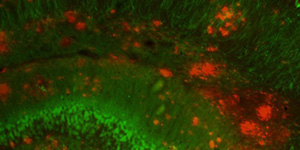
Cancer and Alzheimer's Disease Intersection (CADIC) Forum
Event Date: October 22, 2026 Virtual Event
A growing body of research consistently demonstrates an inverse relationship between cancer and Alzheimer's disease, with each condition associated with reduced risk or delayed onset of the other. The CADIC Forum webinar series brings together investigators from the cancer and Alzheimer's disease research communities to understand the mechanisms underlying this association and uncover insights into novel therapeutic interventions for both diseases.
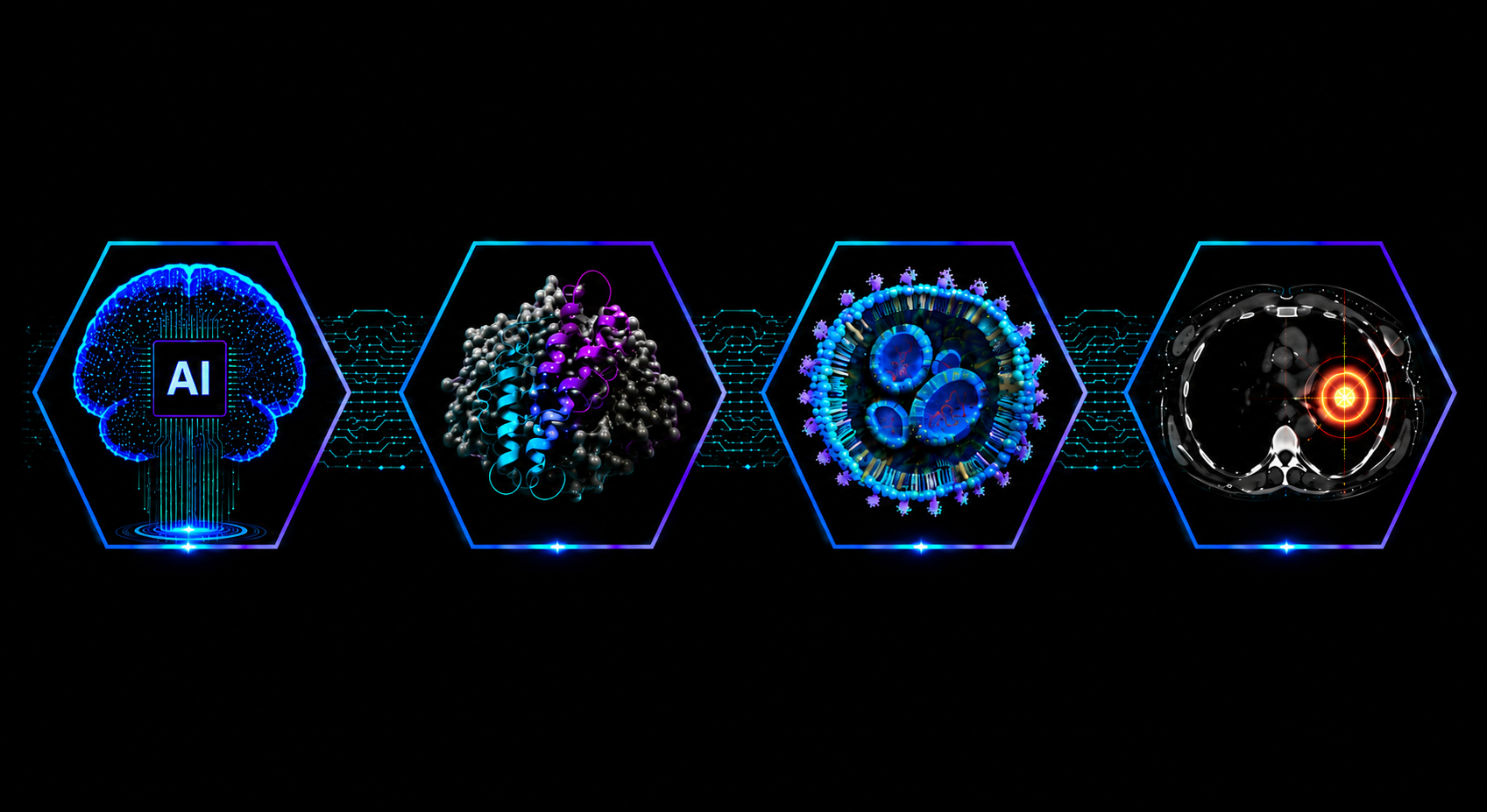
Artificial Intelligence for Innovative Cancer Imaging Probes and Nanomaterials
Event Date: October 29, 2026 Virtual Event
This virtual workshop will explore how advanced AI approaches are transforming the design and development of next-generation cancer imaging probes and theranostic nanoplatforms, featuring 2024 Nobel Laureate in Chemistry Dr. David Baker as the keynote speaker.
November 2026
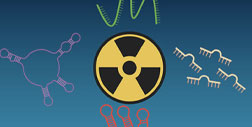
Translating RNA Insights into Precision Radiation Oncology Virtual Workshop
Event Date: November 4, 2026 Virtual Event
The objective of this virtual workshop is to highlight how radiation oncology intersects with RNA biology to advance clinical practice. Better understanding of how RNAs regulate—and are regulated by—the radiation response has potential to enhance precision radiation oncology through informing novel strategies for both cancer detection and treatment. Better understanding of the intersection of RNA biology and the DNA Damage Response (DDR) can identify non-invasively detectable RNA biomarkers (including mRNAs, miRNAs, lncRNAs, and circRNAs) to augment traditional assessments and enable real-time tracking of treatment sensitivity, resistance, and toxicity. This workshop will also showcase advanced spatial transcriptomics to decode irradiated microenvironmental networks and highlight AI-based integration of longitudinal RNA data with clinical metrics. Ultimately, this forum unites oncology leaders, RNA biologists, and data scientists to build a translational roadmap that establishes the clinical utility of RNA-driven insights for personalized cancer care.

NCI's Office of Data Sharing Annual Symposium
Event Date: November 5, 2026 NCI Shady Grove Campus and Virtually
Researchers, clinicians, advocates, and, most importantly, patients all contribute to a vast and complex ecosystem of data that can be used to drive the NCI’s mission to advance scientific knowledge about cancer to help people live longer and healthier lives. A foundational shift to a culture of broad data sharing and collaborative science holds immense promise for more rapid advances in cancer research. We invite scientists, clinicians, policymakers, patients, advocates and trainees across government, academia and industry to learn from one another and explore ways to maximize the benefits of these efforts. Please join us for engaging discussions on advancing cancer research through data sharing and reuse.
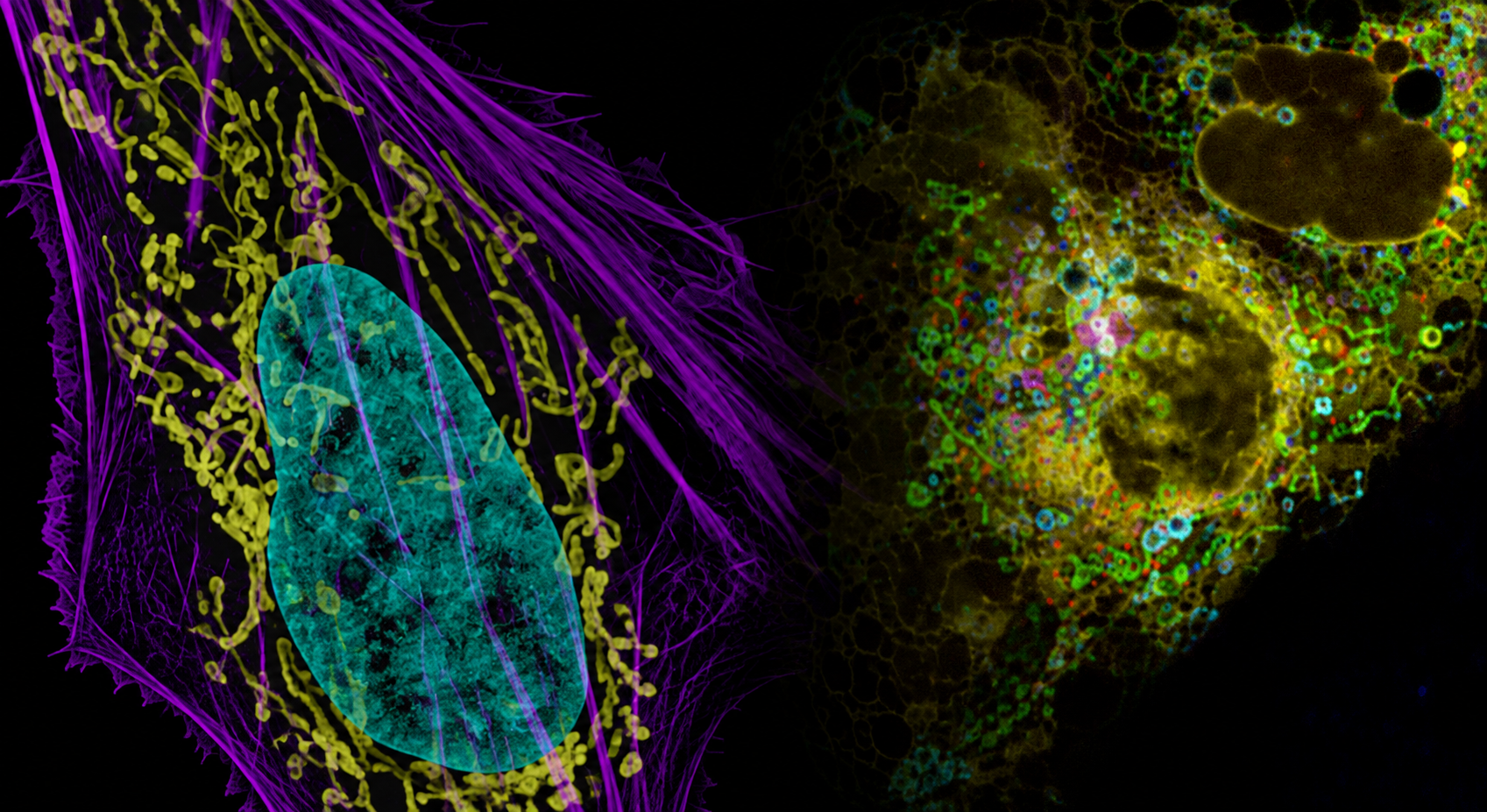
Hidden in Plain Sight (HIPS): The Role of Organelles in Cancer Biology
Event Date: November 6, 2026 Virtual Event
The Hidden in Plain Sight (HIPS): The Role of Organelles in Cancer Biology webinar series will bring together leading and emerging investigators to explore how organelles shape cancer development, progression, and adaptation. Through cutting-edge discoveries, emerging technologies, and interdisciplinary perspectives, HIPS will highlight organelle function and crosstalk, identify critical knowledge gaps, and inspire new directions in cancer research.

NCI/NIBIB Synthetic Biology and Cancer Series: Progress and Promise
Event Date: November 12, 2026 Virtual Event
The National Cancer Institute (NCI) and the National Institute for Biomedical Imaging and Bioengineering (NIBIB) collaboratively launched the Synthetic Biology and Cancer Program in 2021. The goal of the program was to support synthetic biology approaches for cancer research that would expand technology development, promote transdisciplinary partnerships, spur new efforts to advance mechanistic understanding of cancer, and create new possibilities for cancer prevention and management. After five years of progress, the teams will share their discoveries with the broader research community. The Synthetic Biology and Cancer: Progress and Promise Webinar Series invites you to learn about the exciting technical advances in synthetic biology and how they have accelerated cancer research, and explore future directions. The series will occur monthly from June to November 2026.

NCI Data Jamboree
Event Date: November 16, 2026 NIH Neuroscience Center Building, Rockville, MD
The National Cancer Institute (NCI) invites you to participate in the 2026 NCI Data Jamboree: Enhancing Data Sharing and Utility to Advance Cancer Research on November 16-18 at the NIH Neuroscience Building in Rockville, Maryland. The overarching goal is to promote data sharing and use, facilitate interdisciplinary collaborations, and engage and expand the size and scientific diversity of the cancer research community.

Cancer Neuroscience and Symptoms Workshop
Event Date: November 16, 2026 Virtual Event
The Cancer Neuroscience and Symptoms Workshop is a two-day virtual workshop taking place on November 16 - 17, 2026. The workshop will provide a forum focused on the neuropathogenesis of cancer symptoms, with emphasis on three linked aims: address knowledge gaps, identify exploitable molecular targets, and develop intervention strategies for prevention and treatment of cancer symptoms and long-term sequelae.
December 2026

Global Cancer Research and Control Seminar Series
Event Date: December 10, 2026 Virtual Event
The NCI Center for Global Health’s Global Cancer Research and Control Seminar Series (GCRCSS) features talks by researchers and cancer control experts working in global oncology. The seminars provide opportunities for discussion and collaboration around impactful and innovative work that addresses cancer morbidity and mortality worldwide.
DCEG/REB Radiation Epidemiology & Dosimetry Course
Event Date: December 14, 2026 National Cancer Institute, Rockville, MD
The Radiation Epidemiology and Dosimetry Course is conducted periodically by the Radiation Epidemiology Branch of the NCI Division of Cancer Epidemiology and Genetics (DCEG). This course is intended for people who are interested in learning about the health effects of radiation exposure (environmental, occupational, and medical)—particularly the relationship between ionizing radiation and cancer
January 2027

The Microbiome and Cancer: State of the Science Symposium
Event Date: January 11, 2027 Hybrid
Be part of the conversation advancing cancer research at The Microbiome and Cancer: State of the Science Symposium, January 11–12, 2027. This hybrid event, held both in person at the National Cancer Institute (NCI) Shady Grove Campus in Rockville, MD, and online, will bring together leaders across the field to explore the current state of the science, identify critical knowledge gaps, and begin to define the key research questions that will drive progress over the next decade.