Trans-NIH Workshop on Micro[nano]plastic Measurement for Population Studies (Speaker Bios)
Speaker Bios
Yi Bao, Ph.D.yi.bao@stevens.eduAssociate ProfessorStevens Institute of TechnologyView Bio▼
Dr. Yi Bao is an Associate Professor of Civil Engineering the Founding Director of the Smart Infrastructure Laboratory at Stevens Institute of Technology. His research focuses on artificial intelligence (AI), smart sensing, smart materials, smart structures, robotics, and digital twins for resilient infrastructure systems. Dr. Bao is internationally recognized for pioneering knowledge-guided AI frameworks that integrate engineering principles with machine learning to enable trustworthy, interpretable, and scalable AI solutions for civil infrastructure. His research spans AI-accelerated materials design and discovery, automated structural analysis and design, intelligent sensing and structural health monitoring, robotic infrastructure inspection, and mechanics-aware digital twins. The technologies developed by his group have been applied to bridges, buildings, pipelines, railways, and wind turbines. Dr. Bao has published more than 240 peer-reviewed journal papers, holds three U.S. patents, and has received more than 12,000 citations with an h-index of 64. He has been ranked No. 1 globally in both Fiber Optic Sensors and High Performance Fiber Reinforced Cementitious Composites by ScholarGPS and is recognized among the Top 0.05% Highly Ranked Scholars worldwide and Stanford University’s Top 2% Highly Cited Scientists. His honors include the Rising Star Award from Research.com and the Early Career Award for Research Excellence from Stevens Institute of Technology. Dr. Bao has mentored 19 Ph.D. students, including graduates who serve as faculty members and academic leaders. He currently serves as Associate Editor for multiple leading journals, such as the ASCE’s Journal of Bridge Engineering and Engineering Structures, and has delivered more than 40 plenary, keynote, and invited lectures worldwide.
Elizabeth Barr, Ph.D., M.S.Senior Science Advisor Office of AIDS Research, National Institutes of HealthView Bio▼
Elizabeth Barr, PhD, MS, serves as Senior Science Advisor in the National Institutes of Health (NIH) Office of AIDS Research (OAR). In this role, she leads the HIV and Women program, provides scientific and strategic guidance to advance the NIH HIV research portfolio, and supports collaboration across NIH Institutes, Centers, and Offices to address emerging scientific opportunities and public health priorities.
Prior to joining OAR, Dr. Barr served as Associate Director for Interdisciplinary Research in the NIH Office of Research on Women’s Health (ORWH), where she led initiatives to advance research on women’s health, managed interprofessional education programs, and supported HIV research focused on women. In that role, she worked across NIH and with external partners to foster collaboration, strengthen research capacity, and advance strategic priorities in health research.
Before joining NIH, Dr. Barr held teaching and research appointments at Towson University and the University of Maryland, Baltimore County. She earned a PhD in Communication Arts from the University of Wisconsin-Madison and an MS in Women’s and Gender Studies from Towson University. Her work focuses on fostering interdisciplinary collaboration and advancing research to improve health outcomes for people affected by HIV.
Matthew Campen, Ph.D., M.S.P.H.Distinguished Professor and Toxicologst University of New Mexico College of PharmacyView Bio▼
Dr. Matthew Campen is a Distinguished Professor and toxicologst at the University of New Mexico College of Pharmacy. He earned a BS in Biochemistry from Virginia Tech, a PhD in Environmental Science and Engineering from the University of North Carolina at Chapel Hill, and completed postdoctoral training in pulmonary physiology at the Johns Hopkins University School of Medicine.
Dr. Campen’s research examines how complex mixtures of inhaled particles enter the body and trigger biological changes that influence respiratory, cardiovascular, and neurological health. By combining laboratory studies with insights from clinical and community research, his work helps explain how everyday environmental exposures can contribute to chronic diseases. His recent studies have shed light on molecular pathways linking air pollution and microplastics exposures to brain and vascular health, providing a foundation for understanding the potential health risks of these emerging pollutants.
Ross Clark, MD, MBAAssistant Professor of Surgery, Cell Biology and PhysiologyUniversity of New MexicoView Bio▼
Dr. Clark is a practicing vascular surgeon-scientist studying microplastics in human cardiovascular disease. As an early stage investigator supported by his institution's K12 program, his work focuses on delineating the micronanoplastics content of human vascular lesions including atherosclerotic plaques from throughout the vascular tree as well as aortic aneurysms and other degenerative diseases of blood vessels. Through transcriptomics and precision chromatographic polymer analysis, these investigations shape our understanding of how plastics may affect blood vessel biology. His preclinical studies aim to uncover the mechanisms involved in nanoplastic-atherosclerosis interactions including in the endothelial cell, vascular smooth muscle cell and and macrophage compartments. Dr. Clark's clinical focus includes repair of complex aortic pathologies including aortic aneurysm and dissection as well as thoracic outlet syndrome and limb salvage in the setting of peripheral artery disease.
Dr. Whitney Cowell is an Assistant Professor in the Division of Environmental Pediatrics at the NYU Grossman School of Medicine. Dr. Cowell is trained as an environmental and perinatal epidemiologist whose research leverages a combination of molecular and epidemiologic tools to investigate a range of plastic-related environmental exposures during the sensitive pregnancy and post-partum life stages. She has collaborated with several ongoing, longitudinal birth cohort studies over the past decade where her research has concentrated on how environmental exposures influence placenta growth and functioning, which has consequences for both maternal and child health. Recently, her laboratory has expanded its focus from investigating chemical plastic additives to also study whether plastic particles reach the placenta and disrupt development. She is also engaged in understanding sources of plastic contamination in ‘real-world’ clinical settings that are difficult to control, such as the obstetric labor and delivery room.
Rao L. Divi, Ph.D.Program Director, Environmental Epidemiology Branch National Cancer Institute, NIHView Bio▼
Rao L. Divi, PhD is a Program Director in the Environmental Epidemiology Branch of NCI’s Division of Cancer Control and Population Sciences. He leads a grant portfolio focused on the development, evaluation, and validation of innovative methods and technologies to strengthen epidemiologic data collection, study design, and analytic approaches across the cancer control continuum. His current interests include cancer immunoepidemiology, immune competence and resilience in health and cancer, and computational and AI-enabled methods for cancer risk assessment and causal inference.
Dr. Divi represents EGRP in several major national and international consortia, including InterLymph, the Chronic Lymphocytic Leukemia Research Consortium, the IMPACT Consortium, and the PROSE-Modifiers Studies, and he serves on the InterLymph Coordinating Committee. He is also a member of the management team for the NIH Point-of-Care Technologies Research Network (POCTRN) and serves as a science officer for CITEC and ACME POCT centers, where he helps guide the development and translation of accessible diagnostic technologies to expand cancer detection and care, including in low-resource settings. In addition, he provides scientific leadership for multiple NIH funding initiatives in bioengineering, biomarker development, and assay validation.
Before joining the extramural program in 2008, Dr. Divi was a research investigator in NCI’s Laboratory of Cancer Biology and Genetics, where his research focused on the molecular mechanisms of carcinogenesis, toxicology, and biomarker science. He developed and validated molecular biomarkers of exposure and biological effect and applied these tools in collaborative studies of cancer risk in human populations and experimental models. Prior to joining NCI, he was a scientist at the National Center for Toxicological Research, the research arm of the U.S. Food and Drug Administration.
Hosein Foroutan, Ph.D.hosein@vt.eduAssociate Professor of Civil and Environmental EngineeringVirginia TechView Bio▼
Dr. Hosein Foroutan is an Associate Professor in the Department of Civil and Environmental Engineering at Virginia Tech. His work focuses on the emissions, transport, transformation, measurement, and fate of airborne micro- and nanoplastics, with the broader goal of understanding how these particles enter and move through the air we breathe and contribute to human exposure. His research program bridges environmental engineering, atmospheric science, aerosol science, and exposure assessment by integrating field measurements, laboratory experimentation, and computational modeling to characterize airborne micro- and nanoplastic sources, sampling and measurement challenges, and exposure-relevant concentrations across environmental settings. Dr. Foroutan completed a postdoctoral fellowship at the U.S. Environmental Protection Agency’s Office of Research and Development and holds a Ph.D. in Mechanical Engineering from Penn State. He is a recipient of an NSF CAREER Award and a Fulbright U.S. Scholar Award.
Daniel Frank is a Program Officer in the Clinical Therapeutics and Epidemiology Branch at the Division of Blood Diseases and Resources at the National Heart Lung and Blood Institute. He earned his Ph.D. in biochemistry from the University of Illinois, and completed his postdoc at University of California, San Francisco before joining the National Institutes of Health in 2015. He focuses on transfusion medicine, with particular interest in clinical and translational research.
In his current role, Daniel manages a number of grants and contracts focusing on blood diseases and transfusion practices, including the Recipient Epidemiology Donor Study (REDS) program, as well as domestic and international clinical trials. He has an interest in blood products, including how to utilize these scarce resources safely, effectively, and efficiently, as well as the impact of transfusion mediated exposure to additive solutions and manufacturing components of storage containers on recipient health.
Cashell E. Jaquish, Ph.D.Program DirectorNational Heart, Lung and Blood InstituteView Bio▼
Cashell Jaquish is a Program Director in the Prevention and Population Sciences Program, Epidemiology Branch at National Heart, Lung and Blood Institute. Dr. Jaquish received her Ph.D. in Evolutionary Biology and Population Genetics in 1993 from Washington University. Her research interests have focused on gene by environment interaction, family studies, longitudinal studies of risk factor development and cardiovascular health throughout the lifespan. Over the past 20+ years Dr. Jaquish has led several NHLBI family based cooperative agreements and genome- wide association studies. She was the Program Director for the Next Generation Genetic Association Studies cooperative agreement that used induced pluripotent stem cells from individuals with known genetic variants to develop “disease in a dish” models. Dr. Jaquish also led the team which initiated a large-scale resource for systems biology-based discovery called Trans-omics for Precision Medicine (TOPMed). Currently, Dr. Jaquish is the Program Officer for the Multi-Ethnic Study of Atherosclerosis (MESA) a large, longitudinal, multi-site epidemiology study. Dr. Jaquish’s expertise focuses on multi-site R & D contracts for chronic disease epidemiology and genomics, integrative “omics” consortia and innovative use of technology and existing data.
Ron Johnson, Ph.D.Program Director, Division of Cancer BiologyNational Cancer Institute, NIHView Bio▼
Ron Johnson is a Program Director in the DNA and Chromosome Aberrations Branch in the Division of Cancer Biology, National Cancer Institute (NCI). Dr. Johnson oversees a portfolio of cancer biology research awards related to somatic variants, DNA damage, and gene expression with a focus on lung, bladder and liver cancers. Before joining the NCI in 2011, Dr. Johnson worked at the NIH Chemical Genomics Center where his group profiled and screened small molecule libraries using cell- and protein-based assays. Prior to the NIH, Dr. Johnson led research groups studying cell signaling in cancer and developmental biology in biotechnology and academic settings. Dr. Johnson received a Ph. D. in biochemistry from the Johns Hopkins School of Medicine and completed postdoctoral studies in developmental biology at the Stanford School of Medicine.
Kurunthachalam Kannan, Ph.Dkurunthachalam.kannan@health.ny.govDeputy Director, Division of Environmental Health SciencesWadsworth Center, New York State Dept of HealthView Bio▼
Dr. Kurunthachalam Kannan is the Deputy Director of the Division of Environmental Health Sciences at Wadsworth Center, New York State Department of Health. He is also a Professor at the Department of Environmental Health Sciences, State University of New York at Albany. He has published over 1000 research articles and is the top 3 most highly cited researchers in Environmental health globally. He is known for his work on the discovery of perfluorochemicals in the global environment. His research is focused on biomonitoring of human exposure to organic pollutants.
Tram Kim Lam, Ph.D., M.P.H.Environmental Epidemiology Branch ChiefDivision of Cancer Control and Population Sciences, National Cancer InstituteView Bio▼
Tram Kim Lam, PhD, MPH, is chief of the Environmental Epidemiology Branch of the Epidemiology and Genomics Research Program (EGRP) in NCI's Division of Cancer Control and Population Sciences (DCCPS). Dr. Lam leads a group of program directors who have expertise that spans all domains of the exposome, including the general external (e.g., broader social context), specific external (e.g., lifestyle factors, environmental pollutants, chemical, physical and infectious agents), and internal environments (e.g., biomarkers of effect, early damage). She also oversees a research grant portfolio that focuses on modifiable factors (e.g., infectious agents, environmental exposures, genomics, and lifestyles) and the interplay between determinants of cancer and how they influence susceptibility to cancer nationally and globally.
Richard Kwok, Ph.D.Richard.Kwok@nih.govProgram DirectorNational Institute on AgingView Bio▼
Richard K. Kwok, Ph.D., is a Program Director at the National Institute on Aging, where he oversees an extramural research portfolio focused on environmental epidemiology, exposomics, exposure assessment, and Alzheimer’s disease and related dementias. Across his career, he has worked to strengthen the scientific infrastructure needed to understand how environmental exposures, social context, and biological susceptibility shape health across the life course. His work emphasizes life course environmental influences on brain health, including chemical and physical exposures, infectious agents, nutrition, physical activity, gene by environment interactions, and the application of omics technologies to clarify disease etiology and inform precision prevention.
Dr. Kwok is an internationally recognized environmental epidemiologist with extensive experience developing large scale population studies, coordinating trans NIH and interagency research initiatives, and advancing disaster research response infrastructure. He has played leadership roles in major efforts related to disaster epidemiology, common data elements, environmental data integration, the All of Us Research Program, the International Common Disease Alliance, and FAIR environmental data resources for patient centered outcomes research. He was Co-Principal Investigator of the Gulf Long Term Follow Up Study, an $90 million research effort examining the health effects of the Deepwater Horizon oil spill.
His scientific contributions span exposure science, environmental disasters, cardiovascular and respiratory health, mental health, geospatial methods, data harmonization, and exposomics. He has authored more than 100 peer reviewed publications and has received numerous honors, including Director’s Awards from NIH, NICHD, and NIMHD, as well as multiple NIEHS Merit Awards.
Dr. Kwok earned his Ph.D. and MSPH in Epidemiology and his BSPH in Environmental Science from the University of North Carolina at Chapel Hill.
Loic Le Marchand, MD, PhD, MPHloic@cc.hawaii.eduProfessorUniversity of Hawaii Cancer CenterView Bio▼
Dr. Le Marchand is a Professor in the Population Sciences in the Pacific Program (Cancer Epidemiology Section) at the University of Hawai'i Cancer Center (UHCC). His research has focused on lifestyle, nutrition and genetic risk factors for lung, breast and colorectal cancer. He has a wealth of experience building and leveraging patient cohorts to advance high-impact team science. He is the founder of the Hawai'i Colorectal Cancer Family Registry which is following individuals at high familial risk for large bowel cancer in Hawai’i. He has conducted multiple case-control studies and dietary intervention trials and was instrumental in establishing the Multiethnic Cohort (MEC) Study’s Biorepository. Since 2012, he has been leading the MEC Study – a collaboration with the University of Southern California – which has followed 215,000 residents of Hawaii and Los Angeles of five ethnic groups (White, Japanese American, Native Hawaiian, African American and Latino) in an effort to understand population differences in cancer. He has also led several multi-institutional, NCI-supported grants, including a Program Project Grant, several large U01 grants and a Specialized Program of Research Excellence (SPORE) P20 on cancer disparities. His most recent research endeavor has been to work with laboratory scientists to develop scalable assays measuring nano- and micro- plastics in biological samples to assess their health effects.
Among Dr. Le Marchand’s honors and awards are multiple appearances on the Thomson Reuters lists of “Highly Cited Researchers” and Scholar GPS list of “Highly Ranked Scholars”. He was the recipient of the 2022 American Association for Cancer Research (AACR) Distinguished Lectureship Award on the Science of Cancer Health Disparities and the 2025 AACR-American Cancer Society Award for Research Excellence in Cancer Epidemiology and Prevention. He has also served on a number of National Institutes of Health and AACR expert panels.
Anthony Letai, M.D., Ph.D.DirectorNational Cancer InstituteView Bio▼
Anthony Letai, M.D., Ph.D., joined NCI as the 18th director on September 29, 2025. He previously served as professor of medicine at Harvard Medical School and medical oncologist at the Dana-Farber Cancer Institute.
Dr. Letai received his Bachelor of Arts degree in physics from Princeton University. After receiving his M.D. and Ph.D. from the University of Chicago with Elaine Fuchs, Ph.D., Dr. Letai completed his residency in internal medicine at Brigham and Women’s Hospital, and a fellowship in hematology and oncology at the Dana-Farber Cancer Institute. His interest in cancer cell death evolved during his post-doctoral research training at Dana-Farber Cancer Institute in the laboratory of Dr. Stanley Korsmeyer. His career and pioneering work in functional precision oncology helped advance therapies such as BCL-2 inhibitors—drugs that are now standard treatment for many adults with leukemia. In addition, his team developed a technique, called BH3 profiling, that helps predict how cancer cells will respond to chemotherapies. BH3 profiling is now being tested to discover how it can be used in clinical practice to find the right drugs for the right patients.
An advocate for research that can quickly bring new, effective treatments to patients, Dr. Letai served as co-founder and President of the Society for Functional Precision Medicine, which works to improve patient care and outcomes by supporting the use of functional assays in clinical care. Additionally, he is the recipient of the Sidney Kimmel Foundation Scholar Award, the Leukemia and Lymphoma Society Scholar Award, the European Cell Death Organization Career Award, the Smith Family Prize for Outstanding Scientific Contributions, the University of Chicago Biomedical Sciences Distinguished Alumni Award. and the NCI Outstanding Investigator Award. He also serves as an elected member of the American Society of Clinical Investigation and Association of American Physicians, and is a Fellow if the American Association of Cancer Research Academy. Dr. Letai’s work has helped transform cancer treatment and advance functional precision medicine.
Yusong Li, Ph.D.ProfessorUniversity of Nebraska - LincolnView Bio▼
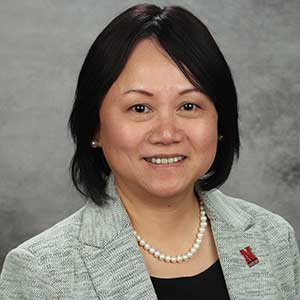
Yusong Li is a Professor of Civil and Environmental Engineering and Associate Dean for Faculty in the College of Engineering at the University of Nebraska–Lincoln. Her research focuses on the fate, transport, and human exposure implications of environmental contaminants, with particular emphasis on micro- and nanoplastics in water systems and food-contact materials. Her group investigates micro- and nanoplastic release from consumer plastic products under realistic use conditions and develops quantitative exposure estimates to support risk assessment and public health guidance. She has also made foundational contributions to understanding nanoparticle and colloid interactions with environmental surfaces through nanoscale visualization approaches. Dr. Li is a Fellow of the Executive Leadership in Academic Technology, Engineering and Science (ELATES) program, a Big Ten Academic Alliance Academic Leadership Program Fellow, and co-Editor of Vadose Zone Journal.
Somdat Mahabir, PhD, MPHProgram DirectorDivision of Cancer Control and Population Sciences, National Cancer InstituteView Bio▼
Dr. Somdat Mahabir is a Senior Scientist and Program Director in the Environmental Epidemiology Branch (EEB) of the Epidemiology and Genomics Research Program (EGRP), Division of Cancer Control and Population Sciences (DCCPS), National Cancer Institute (NCI), National Institute of Health (NIH). His responsibilities include the management of research that focuses on cancer epidemiology of modifiable risk factors such as environmental exposures. He has expertise in the development and management of scientific research initiatives, including NCI-funded large-scale research projects. He is leading the Cohorts for Environmental Exposures and Cancer Risk (CEECR) program, a collaboration between NCI and the National Institute of Environmental Health Sciences (NIEHS). He was a member of the team which developed the initial NIH Environmental Influences on Child Health Outcomes (ECHO) program and was part of a select group that developed the ECHO renewal.
Dr. Mahabir serves as Chair of the Trans-NIH Micro[nano]plastic (MNP) and Population Health Working Group and Co-chair for Cohort Coordination in EGRP. He served as Co-Chair for research on the 2019-2023 Trans-NIH Strategic Plan for Women’s Health Research.
Dr. Mahabir is the recipient of an NCI Cancer Prevention Research Training Merit Award, NCI Director's Award, CDC/Agency for Toxic Substances and Disease Registry (ATSDR) Honor Award, NIH Director’s Award, NIEHS Group Merit Award, and academic awards from New York Medical College and New York Institute of Technology.
Laurens D.B. Mandemaker, PhD is an Assistant Professor at Utrecht University, holding a joint appointment at the Institute for Risk Assessment Sciences (IRAS; Faculty of Veterinary Medicine) and the Institute for Sustainable and Circular Chemistry (ISCC; Faculty of Science). His research focuses on the development, characterization, detection, and biological assessment of micro- and nanoplastics, with the overarching goal of improving human and environmental risk assessment.
Mandemaker combines expertise in analytical chemistry, nanomaterials synthesis, spectroscopy, fluorescence microscopy, and atomic force microscopy to develop environmentally relevant and traceable nanoplastic reference materials and analytical workflows for their detection in complex matrices, including blood, food, environmental samples, and placental tissue. His research aims to bridge chemistry and toxicology by enabling more robust exposure assessment and mechanistic studies of plastic particles in biological systems.
He received his BSc in Chemistry and MSc in Nanomaterials from Utrecht University before earning his PhD in Chemistry in 2021 under the supervision of Prof. Bert M. Weckhuysen. Following his doctoral research on metal–organic frameworks and advanced nanospectroscopy, he transitioned to the field of micro- and nanoplastics, where he established new methodologies for particle synthesis and characterization. He is involved in several national and international research initiatives on plastic pollution and human health, including MOMENTUM, AURORA, and FHERITALE, and leads projects focused on developing next-generation reference materials for nanoplastic research.
Sanjay K Mohanty, Ph.D.mohanty@ucla.eduAssociate Professor, Environmental Engineering.University of California Los AngelesView Bio▼
Sanjay K. Mohanty, Ph.D. is an Associate Professor in the Department of Civil and Environmental Engineering at the University of California, Los Angeles (UCLA). His research broadly examines how weather and climate extremes, such as wildfires, drought, and flooding, affect the transport of emerging pollutants, including PFAS and microplastics, in the environment. His research team utilizes these concepts to develop climate-resilient green infrastructures to increase water availability and protect human health. Over the past decade, Dr. Mohanty has led studies that have advanced understanding of microplastic movement through air, soils, stormwater infrastructure, agricultural lands, and urban environments, and investigated the role of microplastics as carriers of co-contaminants that may increase risks to ecosystems and human health. Dr. Mohanty’s laboratory has also developed innovative methods for microplastic monitoring, including smartphone-enabled rapid quantification technologies, and has contributed to understanding emerging exposure pathways through food, dust, consumer products, and the built environment. Overall, his research has helped establish foundational knowledge needed to assess risks associated with pollution and to develop science-based strategies for reducing environmental and human exposures.
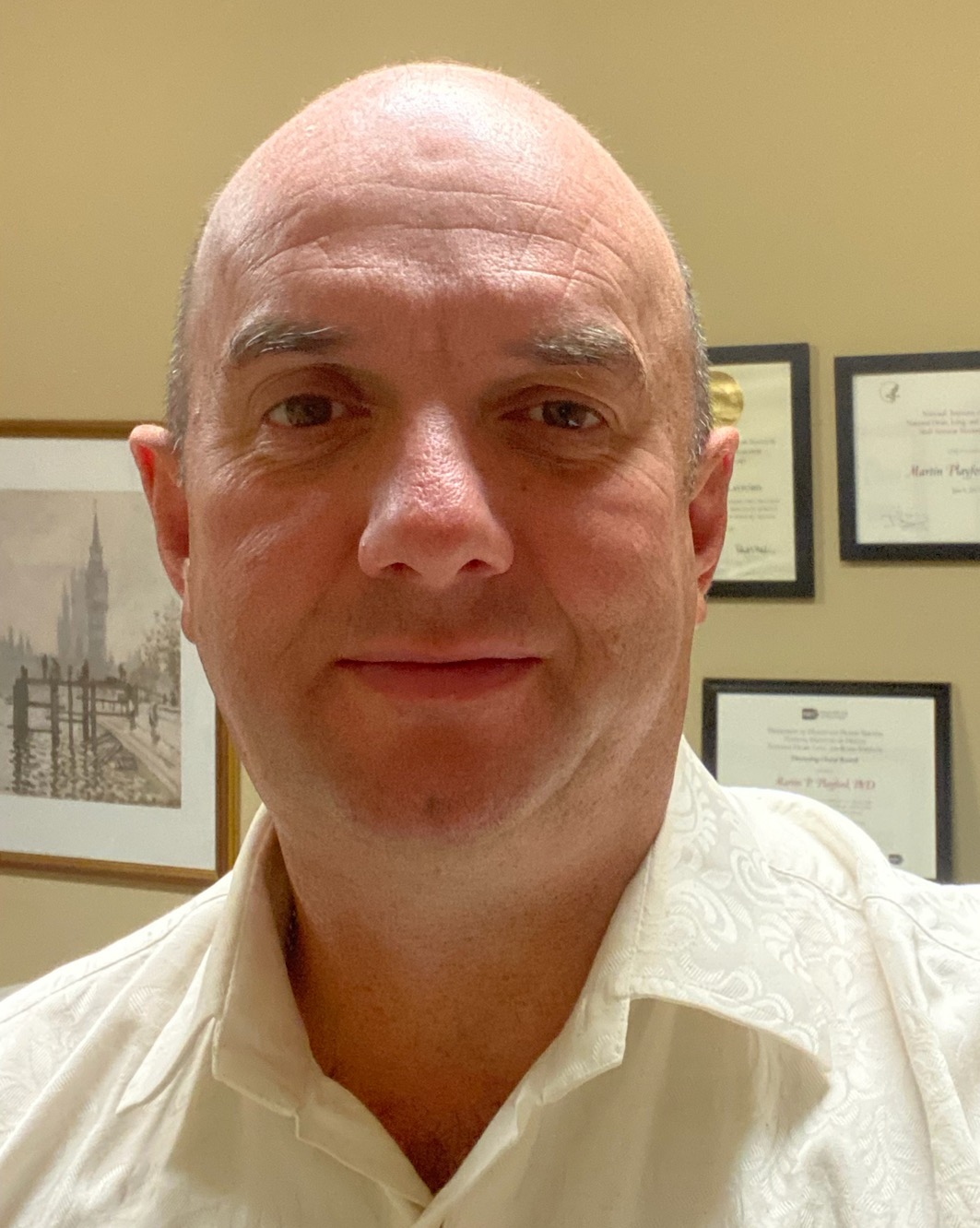
Martin P Playford, Ph.D.Program DirectorNational Institutes of HealthView Bio▼
Dr. Martin Playford serves as a Program Officer within the Atherothrombosis and Coronary Artery Disease Branch within the Division of Cardiovascular Sciences, National Heart, Lung and Blood Insitute at the National Institutes of Health.
Martin obtained his bachelor’s degree in Biochemistry at Dundee University in Scotland, and his Ph.D. at the Institute of Molecular Medicine, Oxford UK where he was involved in the discovery of novel tyrosine kinase receptors and tumor suppressor genes. He moved to the USA in 2001 for postdoctoral training in Dr. Ann Marie Pendergast’s lab at Duke university and in Dr. Michael Schaller’s lab at the University of North Carolina (UNC) in Chapel Hill. During this time, he continued investigating the role of tyrosine kinase receptor signaling in tumor progression and metastasis.
In 2007, he switched research interests when he joined Dr. Sharon Milgram in her transition from the University of North Carolina to NHLBI. As a Staff Scientist, he led her laboratory in investigating the function of CFTR mutations in the causation of Cystic Fibrosis. Five years later he opened Dr. Nehal Mehta’s lab within NHLBI and led the inaugural Lasker scholar’s translational research team. Of the important discoveries during this time, Mehta’s team demonstrated that local inflammation such as in diseases of the skin can have systemic consequences such as insulin resistance, lipoprotein disfunction and elevated cardiovascular risk. Furthermore, treatment with anti-inflammatory medications improved cardiovascular outcomes. Martin is a particular expert at biomarker discovery and quantification of High-Density Lipoprotein (HDL) function. He has published over 120 manuscripts during his research career, with almost 100 of them in the field of inflammation and cardiovascular disease.
Lingamanaidu (Ravi) Ravichandran, Ph.D., is a Program Officer in the Exposure, Response, and Technology Branch at the National Institute of Environmental Health Sciences(NIEHS). Ravichandran joined the NIEHS Division of Extramural Research and Training in 2016. Ravichandran leads the NIEHS extramural program supporting research on exposure assessment and health effects of micro and nanoplastics. In addition, Ravichandran is the Program Director of the NIEHS Small Business Innovation Research (SBIR) and Small Business Technology Transfer (STTR) programs. Ravichandran also manages diverse research focus areas including development of New Approach Methodologies (NAMs) such as computational & predictive toxicology, development of alternative and high throughput and high content screening systems, and research on environmental health, and safety of engineered nanomaterials (nano EHS).
Before joining NIEHS, Ravichandran was the Grants Manager/Scientific Writer and Editor for the United States Army Institute of Surgical Research, San Antonio, TX. Ravichandran received Ph.D. in Biochemistry from the University of Madras, India and conducted postdoctoral research at the University of Virginia Health Sciences Center, and the National Heart, Lung, and Blood Institute (NHLBI), NIH. These research efforts were focused on the cardiovascular and metabolic diseases and specifically towards elucidating novel regulatory mechanisms in endothelial nitric oxide and the insulin signaling pathways.
Ravichandran subsequently worked at various research roles at Ionis (formerly Isis) Pharmaceuticals, Invitrogen and Life Technologies (formerly Applied Biosystems) focusing on gene regulation, functional genomics, developing bioassays, biomarker development, services and products related to antisense, siRNA, miRNA and ncRNA and drug discovery
Beena G Sood, MD, MSPhysician, Program Director for the Neonatal and Pediatric Lung Disease and Critical Care PortfolioNHLBIView Bio▼
Beena G. Sood, MD, MS, FAAP, is Program Director for the Neonatal and Pediatric Lung Disease/Critical Care portfolio in the Division of Lung Diseases at the National Heart, Lung, and Blood Institute (NHLBI), National Institutes of Health. In this role, she oversees a broad portfolio of basic, translational, and clinical research, including clinical trials, focused on neonatal and pediatric lung disease and critical illness. She also contributes to research planning, portfolio analysis, and Institute- and NIH-wide activities addressing pediatric lung health, environmental and climate-related exposures, nutrition, and prevention research.
Dr. Sood is Professor Emeritus in the Department of Pediatrics at Wayne State University and is board certified in Pediatrics and Neonatal-Perinatal Medicine. Prior to joining NHLBI, she served on the faculty of Wayne State University School of Medicine for more than two decades, where she held multiple academic leadership roles and maintained an active program in neonatal-perinatal clinical care, research, mentoring, and education. Her scholarly work has focused on neonatal respiratory distress syndrome, pulmonary hypertension of the newborn, aerosolized therapeutics, near-infrared spectroscopy, biomarkers, and related translational and clinical investigation. She has led investigator-initiated studies, participated in multicenter clinical trials, and authored numerous peer-reviewed publications in neonatal-perinatal medicine and pediatric pulmonary research.
At NHLBI, Dr. Sood has contributed to a number of cross-cutting scientific activities, including strategic vision efforts, workshop development, and trans-NIH working groups relevant to environmental exposures and chronic disease research.
Pothur Srinivas, Ph.D., M.P.H., is the Acting Associate Director of the National Cancer Institute’s Epidemiology and Genomics Research Program (EGRP), where he helps shape scientific priorities to advance research on the determinants of cancer risk and outcomes and translate discoveries into clinical and public health impact. With expertise spanning genomics, epidemiology, and public health, he has led and supported major initiatives focused on emerging cancer risk factors, and the integration of genomic and other omics data into population studies. Previously, he played a key leadership role in the NHLBI Trans-Omics for Precision Medicine (TOPMed) Program, advancing large-scale whole genome sequencing and functional genomics efforts across population studies. He has also helped develop programs in proteomics, metabolomics, computational modeling, and data sharing, including the Population Sciences Data Commons. Through his NIH leadership roles, Dr. Srinivas has worked to identify research gaps, foster innovation, and build strategic collaborations that strengthen genomic epidemiology and population science.
Ashley Vargas, Ph.D., M.P.H., R.D.N.ashley.vargas@nih.govDeputy Director, Division of Extramural Research and TrainingNational Institute of Environmental Health SciencesView Bio▼
Ashley Vargas is a registered dietitian nutritionist (R.D.N.) and molecular epidemiologist. Her clinical and research experience focuses on improving the precision of nutrition risk assessment and the application of nutrition therapy to individuals across their lifespan. Specifically, she has concentrated her research on the relationship between diet and disease that is mediated by the genome and the microbiome in large human cohorts.
Ashley received her doctoral degree in nutritional science from the University of Arizona, her master’s degree in public health from Harvard University, and her bachelor’s degree in dietetics from Wayne State University, where she also completed her coordinated dietetic training program. She has experience as a clinical R.D.N. in many different settings, has served in leadership roles in professional societies, and is a fellow of the Academy of Nutrition and Dietetics. Ashley has previously held positions at the National Cancer Institute, the NIH Office of the Director and the National Institute of Child Health and Human Development.
Douglas Walker, PhD, is an Associate Professor in the Gangarosa Department of Environmental Health at Emory University. An environmental engineer and analytical chemist by training, he develops metabolomics and exposome-wide association study (EWAS) methods for environmental health and precision medicine research. His work centers on advanced analytical strategies that measure previously uncharacterized environmental exposures and help delineate the mechanisms linking these exposures to human disease. The methods he has developed detect over 100,000 chemical signals per sample, including exposure biomarkers, nutrients, dietary chemicals, and the associated biological response, at the throughput and cost needed for population-scale studies, establishing a foundation for operationalizing the exposome in precision medicine. Current projects apply these methods to build disease-exposome atlases and to develop biomarkers of complex emerging exposures, including microplastics, e-waste, and per- and polyfluoroalkyl substances (PFAS). Dr. Walker directs the Comprehensive Laboratory for Untargeted Exposome Science (CLUES), which provides high-quality untargeted screening of biological samples for nutrition, precision medicine, and environmental health research.
Jeong-Yeol Yoon, Ph.D.ProfessorThe University of ArizonaView Bio▼
Jeong-Yeol Yoon received his B.S., M.S. and Ph.D. degrees in Chemical Engineering from Yonsei University, Seoul (South Korea) in 1992, 1994 and 1999, respectively, under the guidance of Professor Woo-Sik Kim, in collaboration with Professor Jung-Hyun Kim, where he worked primarily on polymer colloids. He received his second Ph.D. degree in Biomedical Engineering from University of California, Los Angeles in 2004, working on lab-on-a-chip and biomaterials, under the guidance of Professor Robin L. Garrell. He joined faculty at The University of Arizona in August 2004 and currently holds primary home appointment in Department of Biomedical Engineering and split appointment in Department of Biosystems Engineering. He also holds joint appointment in Chemistry & Biochemistry and BIO5 Institute. He is currently directing Biosensors Lab. Dr. Yoon is a member of IBE, ASABE, SPIE, BMES and ACS, and was Councilor-at-Large for IBE for 2010 and 2011 calendar years. He has been elected as President of IBE in 2013, and served as President Elect in 2014, President in 2015, and Immediate Past President in 2016. He currently serves as Editor-in-Chief for Journal of Biological Engineering (IBE), Associate Editor for Biosensors and Bioelectronics (Elsevier), and Editorial Board Member for several journals, including Scientific Reports (Nature Publishing Group). He has also served as Associate Editor for ASABE Journals and Editorial Board Member for Resource Magazine (ASABE).