Hidden in Plain Sight (HIPS): The Role of Organelles in Cancer Biology (Upcoming)

Upcoming Webinars

Webinar Series Co-Chairs
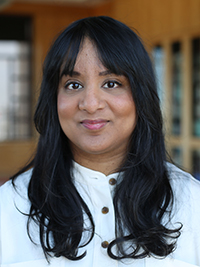
Rushika M. Perera, Ph.D.

Rushika M. Perera, Ph.D.

Professor
University of California, San Francisco

View Bio

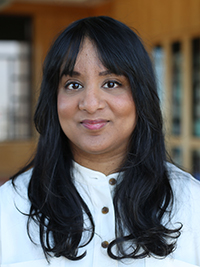
Rushika M. Perera, Ph.D., is the Deborah Cowan Professor and Vice Chair of the Department of Anatomy at the University of California, San Francisco (UCSF), where she serves as Chief Scientific Officer of the UCSF Pancreas Cancer Program and is a member of the Helen Diller Family Comprehensive Cancer Center. Her research focuses on understanding how cancer cells remodel organelle function and cellular metabolism to support tumor growth, adaptation, and metastasis, with particular expertise in lysosome biology, autophagy, metabolic signaling, organelle quality control, and pancreatic cancer. Her work has defined important roles for the autophagy–lysosome system in pancreatic cancer metabolism, immune evasion, lysosomal membrane repair, and cellular adaptation. A leader in the organelle biology and autophagy communities, Dr. Perera served as Chair of the 2026 Gordon Research Conference on Autophagy and as the session chair for “Organelle Metabolism in Cancer” at the 2025 AACR Annual Meeting.
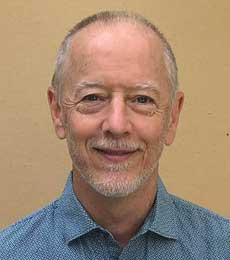
Richard J. Youle, Ph.D.

Richard J. Youle, Ph.D.

NIH Distinguished Investigator
The National Institute of Neurological Disorders and Stroke (NINDS)

View Bio

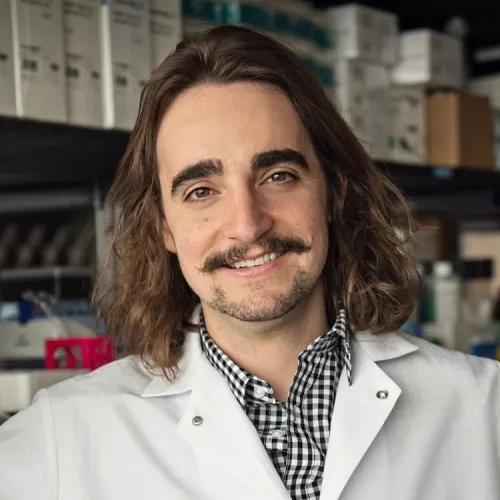
Richard J. Youle, Ph.D., is a Distinguished Investigator and Chief of the Biochemistry Section in the Surgical Neurology Branch at the National Institute of Neurological Disorders and Stroke (NINDS), National Institutes of Health (NIH). His research focuses on mitochondrial biology, particularly the molecular mechanisms governing mitochondrial quality control, mitophagy, dynamics, and apoptosis. His laboratory has made seminal contributions to understanding PINK1/Parkin-mediated mitophagy, Bcl-2 family regulation of mitochondrial apoptosis, and the role of mitochondrial fission in cell death. His work also has important roots in cancer biology, including the development of antibody-targeted toxins for glioblastoma that advanced through clinical trials and contributed to the development of convection-enhanced delivery for brain tumors. Through these discoveries, Dr. Youle has helped define fundamental mechanisms by which mitochondrial function, turnover, and remodeling influence cell survival and death, providing a strong mechanistic foundation for understanding organelle biology in cancer and other diseases.
Friday, December 11, 2026 | 1pm EST
Session 2: Lost in Translation — Organelle Crosstalk and Membrane Contact Sites in Cancer
Moderator
Orian Shirihai, M.D., Ph.D.
Orian Shirihai, M.D., Ph.D. University of California Los Angeles
View Bio ▼
Orian Shirihai, M.D., Ph.D., is a Professor at UCLA whose laboratory investigates organelle biology, with a focus on mitochondria, lysosomes, and autophagosomes in metabolic health and disease. His research has helped define how mitochondrial fusion, fission, motility, mitophagy, and turnover regulate organelle quality control, fuel utilization, and cellular bioenergetics. His laboratory is also recognized for developing advanced imaging and high-throughput respirometry approaches that enable quantitative analysis of mitochondrial dynamics and function. Dr. Shirihai directs the UCLA Metabolism Theme, where he promotes interdisciplinary collaboration and the development and application of technologies for studying cellular metabolism.

Presenters
Kevin Foskett, Ph.D.
Kevin Foskett, Ph.D. University of Pennsylvania
View Bio ▼
J. Kevin Foskett, Ph.D., is the Isaac Ott Professor of Physiology and Professor of Cell and Developmental Biology at the University of Pennsylvania, where he served as Chair of the Department of Physiology from 2013 to 2025. An internationally recognized leader in ion channel biology and intracellular calcium signaling, his laboratory has made fundamental contributions to understanding IP₃ receptor function, ER-to-mitochondria calcium transfer, mitochondrial calcium homeostasis, cellular bioenergetics, autophagy, and programmed cell death. His work helped establish the importance of calcium communication between the ER and mitochondria in regulating cellular metabolism and survival, and his recent studies have extended these discoveries to cancer, defining how mitochondrial calcium signaling influences pancreatic tumor growth, metabolic plasticity, and metastasis. Dr. Foskett’s scientific contributions have been recognized with honors including an NIH MERIT Award and the Stanley N. Cohen Biomedical Research Award.

Costas A. Lyssiotis, Ph.D.
Costas A. Lyssiotis, Ph.D. University of Michigan
View Bio ▼
Prof. Lyssiotis obtained his bachelor’s degree in Chemistry and Biochemistry from the University of Michigan in 2004, his PhD in Chemical Biology from The Scripps Research Institute in 2010, and then completed postdoctoral training in the laboratory of Lewis C. Cantley at Harvard and Cornell. In 2015, Prof. Lyssiotis joined the faculty at the University of Michigan with appointments in the Departments of Physiology and Medicine. His lab studies the biochemical pathways and metabolic requirements that enable tumor survival and growth. This work spans the areas of cancer metabolism, the tumor microenvironment and immunometabolism using and developing protocols in mass spectrometry-based metabolomics. Ultimately, his group aims to transition new information about these processes into targeted therapies for cancer and other diseases. He is the recipient of several junior scholar awards including being named a Lefkofsky Scholar, a Kimmel Scholar, an AACR NextGen young investigator, a Dale F. Frey Breakthrough Scientist, and a V Foundation Fellow.
Register Now
Friday, January 8, 2027 | 1pm EST
Session 3: Context Is Everything — Studying Organelle Biology Across Tumor Types, Microenvironments, and Disease States
Moderator
Rushika Perera, Ph.D.
Rushika Perera, Ph.D. University of California, San Francisco
View Bio ▼
Rushika M. Perera, Ph.D., is the Deborah Cowan Professor and Vice Chair of the Department of Anatomy at the University of California, San Francisco (UCSF), where she serves as Chief Scientific Officer of the UCSF Pancreas Cancer Program and is a member of the Helen Diller Family Comprehensive Cancer Center. Her research focuses on understanding how cancer cells remodel organelle function and cellular metabolism to support tumor growth, adaptation, and metastasis, with particular expertise in lysosome biology, autophagy, metabolic signaling, organelle quality control, and pancreatic cancer. Her work has defined important roles for the autophagy–lysosome system in pancreatic cancer metabolism, immune evasion, lysosomal membrane repair, and cellular adaptation. A leader in the organelle biology and autophagy communities, Dr. Perera served as Chair of the 2026 Gordon Research Conference on Autophagy and as the session chair for “Organelle Metabolism in Cancer” at the 2025 AACR Annual Meeting.

Presenters
Matthew Vander Heiden, M.D., Ph.D.
Matthew Vander Heiden, M.D., Ph.D. Koch Institute for Integrative Cancer Research at MIT
View Bio ▼
Matthew Vander Heiden, M.D., Ph.D., is Professor and Director of the Koch Institute for Integrative Cancer Research at MIT. His laboratory investigates how cell and organismal metabolism influence cancer development and progression, with an emphasis on how metabolic requirements and dependencies vary across biological contexts. His work has helped define how mitochondrial function, metabolite transport, and compartmentalized metabolism support proliferative metabolism and shape cancer phenotypes. By examining how mitochondrial and metabolic processes are influenced by nutrient availability, tissue environment, and disease state, his research provides important insights into the context-dependent metabolic adaptations that enable tumor growth and progression. Dr. Vander Heiden is a member of the National Academy of Medicine and was elected a 2026 Fellow of the AACR Academy.

Christie Towers, Ph.D.
Christie Towers, Ph.D. Salk Institute
View Bio ▼
Christie Towers, Ph.D., is an Assistant Professor in the Molecular and Cell Biology Laboratory at the Salk Institute for Biological Studies. Her laboratory investigates the fundamental mechanisms of autophagy and other cellular recycling pathways, with a particular focus on how cancer cells use these processes to maintain metabolic and organelle homeostasis under stress. Her work has revealed how tumor cells adapt when autophagy is disrupted by engaging compensatory pathways, including mechanisms that preserve mitochondrial quality control and nutrient availability. Using functional genomics, optogenetics, super-resolution imaging, organoids, and in vivo cancer models, her laboratory seeks to understand the dynamic and context-dependent mechanisms that enable tumor cells to survive metabolic stress. Dr. Towers is also an active leader in the autophagy research community and has organized the 2024 Keystone Symposia on Autophagy and elected to organize the 2028 Gordon Conference on Autophagy as well.
Register Now
Friday, February 12, 2027 | 1pm EST
Session 4: Seeing Is Believing — Emerging Tools and Technologies for Studying Organelles in Cancer
Moderator
Xiaolu (Lulu) Cambronne, Ph.D.
Xiaolu (Lulu) Cambronne, Ph.D. UT Austin
View Bio ▼
Lulu Ang Cambronne, Ph.D. is the William and Gwyn Shive Associate Professor in the Department of Molecular Biosciences at the University of Texas at Austin. Her research is dedicated to elucidating how compartmentalized metabolism is used by cells and to determine its control mechanisms. Her group develops and uses continuous real-time fluorescent protein biosensors to measure metabolites in live cells. Such sensors measure metabolites in single cells with subcellular resolution within complex and interacting environments. Her work strives to better understand the intrinsic workings of the cell, improved metabolic stratification of cellular subtypes, and to identify critical metabolic regulators that can be leveraged to counteract pathology.

Presenters
Kivanç Birsoy, Ph.D.
Kivanç Birsoy, Ph.D. Rockefeller University
View Bio ▼
Kıvanç Birsoy, Ph.D., is the Joseph L. Goldstein Professor and Head of the Laboratory of Metabolic Regulation and Genetics at The Rockefeller University. His laboratory investigates how cancer cells reprogram metabolism to adapt to nutrient limitation and environmental stresses, with a particular focus on the role of intracellular organelles in metabolic regulation. By integrating functional genomics, metabolomics, biochemical approaches, and organelle-specific technologies, his research has uncovered fundamental mechanisms governing metabolite transport, metabolic compartmentalization, and organelle homeostasis. His laboratory has generated approaches to directly measure metabolites within mitochondria and the endoplasmic reticulum and developed innovative CRISPR-based strategies to systematically identify regulators of organelle metabolism. These technologies have enabled the discovery of previously uncharacterized metabolite transporters and metabolic pathways essential for normal physiology and cancer progression. His honors include the Searle Scholar Award, Pew-Stewart Scholar Award, NIH Director's New Innovator Award, Vilcek Prize for Creative Promise, Discovery Award from the Society for Redox Biology and Medicine, Mark Foundation Emerging Leader Award, and Pershing Square Sohn Prize.

Margarida Barroso, Ph.D.
Margarida Barroso, Ph.D. Albany Medical College
View Bio ▼
Margarida M. Barroso, Ph.D., is Professor of Molecular and Cellular Physiology and Director of the Center for Translational Imaging at Albany Medical College. Her laboratory investigates how endocytic trafficking and organelle interactions regulate iron distribution, mitochondrial function, and cancer progression, including mechanisms linking endosome–mitochondria interactions to metastatic outgrowth. Her research integrates advanced live-cell and quantitative 3D microscopy, fluorescence lifetime imaging and FRET, and machine learning to study organelle organization, molecular interactions, and therapeutic target engagement across cellular, tissue, and in vivo scales. As Director of the Center for Translational Imaging, Dr. Barroso leads the development and application of innovative imaging technologies for cancer and translational research.
Register Now