Hidden in Plain Sight (HIPS): The Role of Organelles in Cancer Biology (Past Webinars)

Past Webinars

Webinar Series Co-Chairs
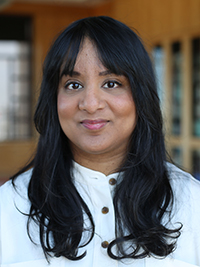
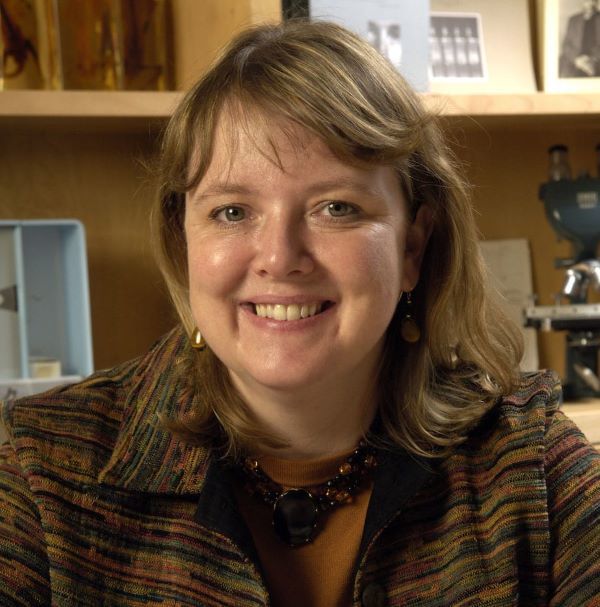
Rushika M. Perera, Ph.D.

Rushika M. Perera, Ph.D.

Professor
University of California, San Francisco

View Bio

Rushika M. Perera, Ph.D., is the Deborah Cowan Professor and Vice Chair of the Department of Anatomy at the University of California, San Francisco (UCSF), where she serves as Chief Scientific Officer of the UCSF Pancreas Cancer Program and is a member of the Helen Diller Family Comprehensive Cancer Center. Her research focuses on understanding how cancer cells remodel organelle function and cellular metabolism to support tumor growth, adaptation, and metastasis, with particular expertise in lysosome biology, autophagy, metabolic signaling, organelle quality control, and pancreatic cancer. Her work has defined important roles for the autophagy–lysosome system in pancreatic cancer metabolism, immune evasion, lysosomal membrane repair, and cellular adaptation. A leader in the organelle biology and autophagy communities, Dr. Perera served as Chair of the 2026 Gordon Research Conference on Autophagy and as the session chair for “Organelle Metabolism in Cancer” at the 2025 AACR Annual Meeting.
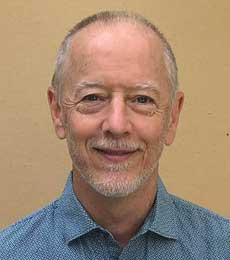
Richard J. Youle, Ph.D.

Richard J. Youle, Ph.D.

NIH Distinguished Investigator
The National Institute of Neurological Disorders and Stroke (NINDS)

View Bio

Richard J. Youle, Ph.D., is a Distinguished Investigator and Chief of the Biochemistry Section in the Surgical Neurology Branch at the National Institute of Neurological Disorders and Stroke (NINDS), National Institutes of Health (NIH). His research focuses on mitochondrial biology, particularly the molecular mechanisms governing mitochondrial quality control, mitophagy, dynamics, and apoptosis. His laboratory has made seminal contributions to understanding PINK1/Parkin-mediated mitophagy, Bcl-2 family regulation of mitochondrial apoptosis, and the role of mitochondrial fission in cell death. His work also has important roots in cancer biology, including the development of antibody-targeted toxins for glioblastoma that advanced through clinical trials and contributed to the development of convection-enhanced delivery for brain tumors. Through these discoveries, Dr. Youle has helped define fundamental mechanisms by which mitochondrial function, turnover, and remodeling influence cell survival and death, providing a strong mechanistic foundation for understanding organelle biology in cancer and other diseases.
Friday, November 6, 2026 | 1pm EST
Session 1: Fueling the Tumor — Organelles at the Heart of Metabolic Reprogramming and Stress Adaptation
Moderator
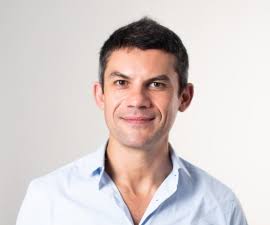
Roberto Zoncu, Ph.D.
Roberto Zoncu, Ph.D. UC Berkeley
View Bio ▼
Roberto Zoncu, Ph.D., is Professor of Molecular and Cell Biology at the University of California, Berkeley, and Co-Director of the Molecular Therapeutics Initiative. His research helped establish the lysosome as a major metabolic signaling organelle and uncovered mechanisms through which nutrients are sensed at the lysosomal surface to regulate mTORC1. His laboratory investigates how lysosomes and other organelles sense and respond to nutrients, metabolites, and cellular stress, with a focus on lysosomal nutrient sensing, autophagy, organelle communication, and metabolic adaptation. His work also examines how cancer cells rewire these pathways to sustain growth and survive metabolic stress, revealing potential organelle-centered vulnerabilities in cancer.
A recognized leader in organelle biology and cancer metabolism, Dr. Zoncu is a frequent invited speaker and organizer of major scientific meetings, and his contributions have been recognized with numerous honors, including the NIH Director’s New Innovator Award and the Pew-Stewart Scholarship for Cancer Research.

Presenters
Kay Macleod, Ph.D.
Kay Macleod, Ph.D. University of Chicago
View Bio ▼
Kay F. Macleod, Ph.D., is Professor and Vice-Chair of the Ben May Department for Cancer Research and Associate Director for Basic Sciences at The University of Chicago Comprehensive Cancer Center. Her research examines how mitochondrial dynamics and stress responses shape cancer development, progression, and therapy response. Her laboratory pioneered the identification of BNIP3 as a regulator of mitophagy and has uncovered mechanisms linking mitochondrial quality control to lipid trafficking and lipid droplets, cancer cachexia, tumor metabolism, and metastatic progression. Her work continues to define how the mitophagy regulators BNIP3 and NIX integrate mitochondrial function with metabolic and signaling pathways across multiple cancer contexts.

Greg Delgoffe, Ph.D.
Greg Delgoffe, Ph.D. University of Pittsburg
View Bio ▼
Greg M. Delgoffe, Ph.D is Professor of Immunology at the University of Pittsburgh, Associate Director for Basic Research and Director of the Tumor Microenvironment Center at the UPMC Hillman Cancer Center. Dr. Delgoffe obtained his Ph.D at Johns Hopkins School of Medicine in 2010, and completed postdoctoral training at St. Jude Children’s Research Hospital in 2014. Dr. Delgoffe’s lab has worked to both understand how immune cells alter their functional and differentiation state through integration of metabolic cues, most notably in cancer. He studies mechanisms by which T cells become metabolically insufficient as they infiltrate tumors and leverage that insight into strategies to metabolically bolster immunotherapy for cancer. Further, he works to understand how metabolism affects the biology of exhausted and regulatory T cells in health and disease. He also has interests in how the immune system can be modulated metabolically through alterations to diet. Much of his work has been translated into both novel therapeutics and as well as repurposing metabolic drugs as immunometabolic agents to improve immunotherapy. Since 2022, he has been named a Clarivate Highly Cited Researcher in immunology and has received multiple awards including the NIH Director’s New Innovator Award and the Cancer Research Institute’s Lloyd J Old STAR Award. In 2023 he was elected to the National Academy of Inventors in part due to his dedication to translating immunometabolism discoveries to actionable medicines.