Translating Emerging Cancer Diagnostics and Technologies toward Clinical Impact Meeting (Speaker Bios)
Speaker Bios
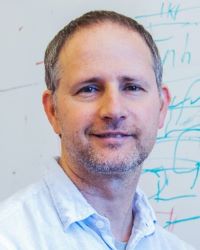
Nadav Ahituv, Ph.D.Nadav.Ahituv@ucsf.eduUniversity of California San FranciscoProfessor, Department of Bioengineering and Therapeutic Sciences; Director, Institute for Human Genetics View Bio▼
Nadav Ahituv is a Professor in the Department of Bioengineering and Therapeutic Sciences and the Director of the Institute for Human Genetics at the University of California, San Francisco. He received his PhD in human genetics from Tel-Aviv University working on hereditary hearing loss. He then did his postdoc, specializing in functional genomics, in the Lawrence Berkeley National Laboratory and the DOE Joint Genome Institute. His current work is focused on identifying gene regulatory elements and linking nucleotide variation within them to various phenotypes including morphological differences between species, drug response and human disease. His lab was one of the co-developers of massively parallel reporter assays (MPRAs) that allow for high-throughput functional characterization of gene regulatory elements. In addition, he pioneered cis-regulation therapy (CRT), the use of gene regulatory elements as therapeutic targets for haploinsufficient disorders, and adipose modulation transplantation (AMT), a novel cancer cell therapy.
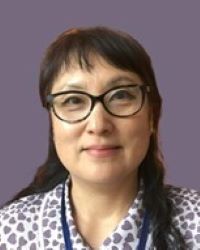
Jung Shin Byun, Ph.D., M.P.H.jung.byun@nih.govNational Cancer InstituteProgram Director, Diagnostic Biomarkers and Technology BranchView Bio▼
Dr. Jung Shin Byun holds a Ph.D. in biophysical chemistry from the University of Maryland, College Park, and an M.P.H. from the Johns Hopkins University Bloomberg School of Public Health. Dr. Byun joined the DCTD at the NCI in 2023 as a Program Director. Before assuming in her current role, Dr. Byun conducted research at the NIH, focusing on the development of biomarkers for tumor detection, diagnosis, and prognosis. She also studied pharmacological targeting for therapeutic discovery, genomics and tumor biology. Dr. Byun led several cancer cohort projects and performed independent research in cancer epidemiology, focusing particularly on gene and environment interactions in diverse populations.
Her extensive expertise spans basic science, translational research, and population-based public health and epidemiology. Dr. Byun has contributed to advancing cancer research initiatives and training programs within the DCTD.
Currently, she manages a diverse grant portfolio encompassing bioengineering, Innovative Molecular Analysis Technologies (IMAT), molecular and genomic profiling, and advanced sequencing technologies. Dr. Byun also fosters collaboration across multiple programs within DCTD and organizes the Division of Cancer Treatment and Diagnosis Technology Development Seminar Series, which showcases innovative advancements in cancer diagnosis and treatment technologies.
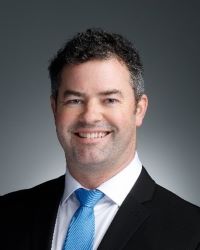
Dr. Caron is a Canadian scientist with a background in Biotechnology and Systems Immunology. He received his PhD from the University of Montreal in Canada under the guidance of Dr. Claude Perreault and completed his education at ETH-Zürich in Switzerland under the guidance of Dr. Ruedi Aebersold. Dr. Caron is known for his international leadership and expertise in immunopeptidomics for the global analysis of MHC-associated peptides using mass spectrometry technologies. His scientific program has the potential to revolutionize the research on vaccine design, cancer immunotherapy, infectious and autoimmune diseases, including treatment of neurodegenerative diseases and aging. Dr. Caron began his career as a Principal Investigator in 2018 at the University of Montreal, Canada. In 2023, Dr. Caron was recruited by the Yale Center for Immuno-Oncology (YCIO) and the Department of Immunobiology. He is also currently a member of the Yale Center for Infection and Immunity (CII), and the Yale Center for Systems and Engineering Immunology (CSEI). Dr. Caron initiated the Human Immunopeptidome Project and was Chair from 2015 to 2020. He was the first to identify tumor-specific mutated peptides, known as neoantigens, using mass spectrometry and to develop data-independent acquisition mass spectrometry for the analysis of immunopeptidomes. He also initiated the SysteMHC Atlas Project as the first public data repository toward a community-driven global mapping of the human immunopeptidome. Dr. Caron has co-founded the start-up Neomabs Biotechnologies Inc., with the goal of transforming the treatment of childhood leukemia through targeted immunotherapies. He has also provided distinctive services to the life sciences industry through numerous collaborations with companies such as Biognosys, Flagship Pioneering, BioXcell and Bruker Daltonics.
Leslie Chan, Ph.D.leslie.chan@gatech.eduGeorgia Institute of TechnologyAssistant ProfessorView Bio▼
Dr. Leslie Chan is an Assistant Professor in the Wallace H. Coulter Department of Biomedical Engineering at Georgia Tech and Emory School of Medicine. Her research program focuses on the development of nanotechnologies for biosensing and drug delivery. Applications of interest include early detection and treatment of gastrointestinal diseases, cancers, infections, and autoimmune diseases. Before her faculty position, Dr. Chan completed her graduate training in Dr. Suzie Pun’s lab at the University of Washington developing polymeric drug delivery systems. She then completed her postdoctoral training in Sangeeta Bhatia’s lab at MIT developing nanosensors for infections. Her work has resulted in publications in high-impact journals including Science Translational Medicine and Nature Nanotechnology and 5 awarded/pending patents. Dr. Chan is the recipient of a K99/R00 Pathway to Independence Award from the NIBIB and an R37 MERIT Award from the NCI, two NIH grant awards recognizing outstanding early-stage investigators. She was also recently awarded the 2026 CMBE Rising Star Junior Faculty Award for her work on ingestible probes to monitor metabolic activity of the gut microbiome.
Utkan Demirci, Ph.D.utkan@stanford.eduStanford University School of MedicineProfessor of Radiology and, by courtesy, of Electrical Engineering and Director, Bio-Acoustic MEMS in Medicine (BAMM) LabView Bio▼
Dr. Utkan Demirci, MS EE, MS&E, PhD (Stanford ’01,’05,’05; UofM’99, summa cum laude), is a tenured Professor of Radiology and, by courtesy, of Electrical Engineering at Stanford University, where he leads the Bio-Acoustic MEMS in Medicine (BAMM) Lab. Before joining Stanford in 2014, he served as an Associate Professor at Brigham and Women’s Hospital, Harvard Medical School, and was affiliated with the Harvard-MIT Health Sciences and Technology (HST) division. He was also a Visiting Fellow Commoner at Trinity College, University of Cambridge, in 2024–25. Dr. Demirci’s research focuses on developing translational technologies at the intersection of microfluidics, biosensing, photonics, and smart robotics to address critical clinical challenges—from rare cell and extracellular vesicle sorting to point-of-care diagnostics. His inventions include FDA-approved microfluidic sperm sorting devices that have been used in over 500,000 clinical cases across more than 1,600 IVF clinics in 60 countries worldwide.
He has published more than 250 peer-reviewed articles, 24 book chapters, and holds numerous patents that have led to successfully commercialized biomedical products. He is a Fellow of the American Institute for Medical and Biological Engineering (AIMBE) and the Academy for Radiology and Biomedical Imaging Research and currently serves as a board member and Chair of the AIMBE Industry Council. A serial academic entrepreneur, Dr. Demirci is the co-founder of DxNow/Zymot, VetMotl, Levitas Bio, and Hermes Bio, and serves as an advisor to multiple early-stage companies.
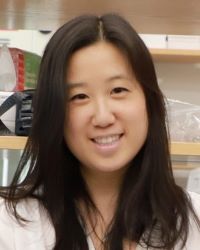
I am an Assistant Professor at Harvard Medical School, an Associate Member of the Broad Institute, Core Faculty in the Computational Health Informatics Program at Boston Children’s Hospital, and an Investigator at the Dana-Farber Cancer Institute. My research focuses on data-driven precision cancer medicine – to decode the genomic principles of tumor development, overcome barriers to discovering actionable lesions in cancer genomes, maximize the potential of sequencing technologies in patient care, and innovate genome-inspired diagnostics and cancer therapies. Toward these goals, I developed strategies for discovering noncoding drivers in cancer genomes, created a comprehensive resource of coding drivers across 30+ tumor types, and established a platform for designing driver-directed combination therapies. I also invented a new driver-directed treatment based on a synthetic lethal interaction between non-homologous recombination and mismatch repair and discovered two driver-directed drugs for smoking-associated lung cancer. I further led several clinical studies to enhance early-stage diagnoses of tumor metastases in PET/CT imaging. In my current projects, I aim to apply these platforms toward clinically focused questions and inform clinical decisions - by understanding mechanisms of drug response and detecting early formation of therapeutic resistance.
Jonathan Franca-Koh, Ph.D., M.B.A.jonathan.franca-koh@nih.govNational Cancer InstituteSBIR Program DirectorView Bio▼
Dr. Jonathan Franca-Koh is a Team Leader and Program Director at the National Cancer Institute's Small Business Innovation Research (SBIR) Development Center. Jonathan manages SBIR & STTR grants and contracts with a focus on cancer therapeutics and novel tools for research and drug discovery. He provides oversight throughout the award period and mentors small business applicants and awardees in developing their technology goals and commercialization strategy. Additionally, he plays an active role in several Center initiatives, including recent investor forums, workshops, and targeted funding opportunities. Prior to joining the SBIR Development Center, Jonathan was a Program Director at the NCI Division of Cancer Biology and Center for Strategic Scientific Initiatives, overseeing the Physical Sciences-Oncology Centers (PS-OC) program, a network of interdisciplinary centers that brought together physical scientists and cancer biologists. Jonathan received his PhD in Cell and Molecular Biology from the University of London’s Institute of Cancer Research in 2003, and completed post-doctoral training at Johns Hopkins University and the J. Craig Venter Institute.
Michael Garcia, M.D., M.S.mgarcia@gtmedtech.comGT Medical TechnologiesChief Medical Officer & Head of Clinical DevelopmentView Bio▼
Dr. Michael Garcia is a radiation oncologist and clinical investigator specializing in neuro-oncology, with a focus on advancing multidisciplinary, technology-enabled treatments for primary and metastatic brain tumors. He received his MD from Harvard Medical School and an MS in Biological Sciences from Stanford University, where he also completed his undergraduate training with honors. He completed residency in radiation oncology at the University of California, San Francisco, serving as Chief Resident.
Dr. Garcia is currently an Associate Clinical Professor at the University of Arizona College of Medicine–Phoenix and a practicing radiation oncologist at Banner MD Anderson Cancer Center. He also serves as Chief Medical Officer and Head of Clinical Development at GT Medical Technologies, where he provides clinical development oversight for multicenter prospective clinical trials evaluating tile-based radiation, including Phase III randomized studies in glioblastoma and brain metastases.
His research portfolio spans clinical trial design, integration of brachytherapy with external beam radiation, stereotactic radiosurgery, and novel approaches to dose modeling and treatment sequencing in central nervous system malignancies. Dr. Garcia has authored numerous peer-reviewed publications in neuro-oncology, radiation oncology, and palliative care, and is a frequent speaker at national and international scientific meetings.
In addition to his research and clinical leadership, Dr. Garcia is committed to education and mentorship. He serves as a mentor in the American Society for Radiation Oncology (ASTRO) Mentor Match Program and contributes regularly as a peer reviewer for scientific journals. His work bridges academic medicine and translational clinical research with the goal of improving outcomes and quality of life for patients with brain tumors.
Tad George, Ph.D.tgeorge@rarecyte.comRareCyteSenior Vice President, Biology R&DView Bio▼
Tad has over 20 years of startup experience dedicated to creating scientific markets for novel instrumentation platforms that span basic research, drug discovery and clinical applications. Prior to joining RareCyte, Tad has held similar positions at Biodesy, Inc. and DVS Sciences, and was Director of Biology at Amnis Corporation. Tad completed his B.A. in Biochemistry from the Univ. of Texas at Austin, Ph.D. in Immunology from UT Southwestern Medical Center at Dallas, and post-doctoral training at Immunex Corp. in Seattle.
Lyndsay Harris, M.D.lyndsay.harris@nih.govNational Cancer InstituteAssociate Director, Cancer Diagnosis Program, Division of Cancer Treatment and DiagnosisView Bio▼
Dr. Lyndsay Harris came to the NCI after a 30-year career in breast cancer research and translational science. She has over 200 publications and has led breast cancer programs at Yale University and Case Western Reserve University, where her lab studied the genomics of resistance in HER2 positive breast cancer and disparities in triple negative breast cancer. As Associate Director of the Cancer Diagnosis Program, her role is to direct her team in the development of robust prognostic and therapeutic biomarkers through the study of biospecimen science, technology and innovation, pathology evaluation and genomics. The Cancer Diagnosis Program works closely with CTEP to implement biomarkers into several Precision Medicine trials including the ComboMATCH (a study of novel combination therapies), where Dr. Harris serves as NCI Co-PI, iMATCH, and MyeloMATCH. In addition, Dr. Harris helps to manage the MDNet assay network, which was set up to run molecular assays on these three new precision medicine trials.
Justin Hwang, Ph.D.jhwang@umn.eduUniversity of Minnesota Twin CitiesAssistant ProfessorView Bio▼
I am an Assistant Professor in the Division of Hematology, Oncology and Transplantation at the University of Minnesota. Here, I am developing a career in which I have a deep passion and pride in: promoting a culture of hope in the community of cancer care. My laboratory practices “translational genomics.” To improve the outcomes of cancer patients, we acquire diagnostic-grade genomic data performed on tumors from clinical trials involving large patient cohorts. We then utilize bioinformatic approaches or machine learning tools to extract the underlying information from the tumors, such as novel target genes, biomarkers, or mechanistic regulators. Through local and national efforts, I collaborate with medical oncologists with clinical trial expertise in order to translate these findings for medical applications. Our translational objectives include using patient data to 1) enhance early detection of malignant features, 2) modify current treatment or diagnostic strategies, and 3) develop novel treatment strategies. Institutionally, I lead the research efforts at the Masonic Cancer Center to house and interpret genomic, transcriptomic, and proteomic data with the focus on improving patient outcomes. With academic and industry partners, I lead consortium studies to advance knowledge of cancer genomics in order to identify new precision targets and biomarkers. Through these efforts, I am optimistic that cancer patients who have exhausted all their options may one day have a promising treatment through our research.
Oliver Jonas, Ph.D.ojonas@bwh.harvard.eduHarvard Medical School and Brigham and Women’s HospitalAssociate Professor and Director, Laboratory for Bio-Micro DevicesView Bio▼
Oliver Jonas, Ph.D. is Director of the Laboratory for Bio-Micro-Devices at Brigham & Women’s Hospital, and Associate Professor at Harvard Medical School with appointment in the Departments of Radiology.
Dr. Jonas’ research focuses on new technologies for precision medicine, such as microscale implantable drug delivery and sensing devices, miniaturized biomedical optics, and in situ drug response measurements in tumors. Dr. Jonas also focuses on the translational application of his technologies, including early-stage clinical trials.
Anthony Kim, Ph.D.akim@som.umaryland.eduUniversity of Maryland School of MedicineProfessor of Neurosurgery, Pharmacology, and BioengineeringView Bio▼
Dr. Anthony Kim is a Professor (Tenured) of Neurosurgery, Pharmacology, and Bioengineering at the University of Maryland School of Medicine. Dr. Kim received his undergraduate degree in Chemical Engineering at Pennsylvania State University and Ph.D. from the University of Pennsylvania in the Department of Chemical and Biomolecular Engineering. He then completed his postdoctoral training as an individual NIH F32 National Research Service Award (NRSA) postdoctoral fellow at the University of Pennsylvania and Johns Hopkins University School of Medicine. Dr. Kim joined the faculty of the University of Maryland School of Medicine as a Tenure-track Assistant Professor in April 2013.
As Director of the Nanotherapeutics Laboratory and Co-Director of the Translational Therapeutics Research Group (TTRG), Dr. Kim's research focuses on developing translational nanomedicine for brain, breast, and other cancers. This is achieved through a collaborative team of engineers, basic scientists, and clinicians to spur innovation at the interface of biomedical engineering and clinical medicine. Towards this goal, his team will (1) identify and characterize the rate-limiting extra- and intracellular barriers by applying innovative biophysical tools and (2) develop advanced therapeutic platforms that overcome these barriers to improve therapeutic outcomes. Dr. Kim has authored ~60 peer-reviewed papers, including publications in Science, Nature Materials, ACS Nano, Science Advances, Journal of the American Chemical Society, Angewandte Chemie, Physical Review Letters, and Biomaterials. His research program has been supported by the National Institutes of Health (NIH), U.S. Department of Veterans Affairs (VA), National Science Foundation (NSF), American Cancer Society (ACS), Elsa U. Pardee Foundation, AAPS Foundation, PhRMA Foundation, TEDCO, and others.
Rob Kimmerling is a co-founder of Travera. He earned his B.E. in Biomedical Engineering from Stony Brook University, where he began developing microfluidic devices for single-cell analysis. He continued this work at MIT, completing a Ph.D. in Biological Engineering focused on novel microfluidic platforms that link single-cell biophysical measurements with transcriptional profiles. A central component of his doctoral research was enabling scRNA-seq on cells measured by a suspended microchannel resonator (SMR) platform, directly connecting cell mass and growth rate to whole-transcriptome data.
After completing his Ph.D., Rob expanded this work as a Research Scientist at the Koch Institute for Integrative Cancer Research at MIT. There, he led efforts to apply these technologies to primary patient specimens. In collaboration with Dana-Farber Cancer Institute and the Broad Institute, his team identified transcriptional signatures associated with single-cell drug susceptibility across multiple cancer types. In 2018, he co-founded Travera, an MIT spinout focused on translating the SMR technology into clinical drug responsiveness testing. At Travera, he leads development of the company’s functional response assays, enabling clinically deployable testing across solid tumors and immuno-oncology applications.
Jina Ko, Ph.D.kojinasmail@gmail.comUniversity of PennsylvaniaAssistant ProfessorView Bio▼
Jina Ko is an Assistant Professor in the Departments of Pathology and Laboratory Medicine and Bioengineering at University of Pennsylvania. She focuses on developing single molecule detection from single extracellular vesicles (EV) and multiplexed molecular profiling to better diagnose diseases and monitor treatment efficacy. Jina graduated from Rice University with a B.S. in Bioengineering and a B.A. in French Studies in 2013 and she earned her Ph.D. in Bioengineering at the University of Pennsylvania in 2018. During her Ph.D., she developed machine learning-based microchip diagnostics that can detect blood-based biomarkers to diagnose pancreatic cancer and traumatic brain injury. For her postdoctoral training, she worked at Massachusetts General Hospital and the Wyss Institute at Harvard University as a Schmidt Science Fellow and a NIH K99/R00 award recipient. Jina developed new methods to profile single cells and single EV with high throughput and multiplexing.
Gabe Kwong, Ph.D.gkwong@gatech.eduGeorgia Institute of Technology and Emory School of MedicineRobert A. Milton ProfessorView Bio▼
Gabe Kwong is the Robert A. Milton Professor of Biomedical Engineering at Georgia Tech and Emory School of Medicine. His research program sits at the intersection of synthetic immunity and medicine, with a particular emphasis on developing biosensors and cell therapies for cancer. A native of the San Francisco Bay Area, Dr. Kwong received his B.S. from UC Berkeley, Ph.D. from Caltech, and completed postdoctoral studies at MIT. He has been recognized with selective distinctions, including the NIH Director’s New Innovator and Pioneer Awards, and currently leads the $49.5 million Cancer and Organ Degradome Atlas (CODA) project – a multi-institutional initiative supported by ARPA-H that aims to transform early cancer detection. Dr. Kwong co-founded 3 biotech companies and holds 40+ issued or pending patents.
Scott R. Manalis, Ph.D.srm@mit.eduMassachusetts Institute of TechnologyProfessorView Bio▼
Scott Manalis earned his Bachelor's degree from University of California, Santa Barbara in 1994 and his Ph.D. from Stanford University in 1998. He joined the faculty at MIT in 1999 and is currently the David H. Koch (1962) Professor in Engineering at MIT with faculty appointments in the biological and mechanical engineering departments. He is the associate department head of the biological engineering department and a member of the Koch Institute for Integrative Cancer Research and MIT’s Center for Precision Cancer Research.
His lab developed the suspended microchannel resonator (SMR) technique, which weighs individual cells to a precision better than one part in 1,000. His contributions span several key areas, including: (1) the advancement of the SMR for measuring single-cell density and stiffness, (2) exploring the biophysical properties of cells, particularly in relation to cancer biology and antibiotic resistance, (3) applying these technologies to real-world problems, including the development of novel diagnostic and therapeutic approaches.
Manalis is co-founder of Travera, a company that provides therapy guidance to patients by weighing their tumor cells in a CLIA certified lab, and Affinity Biosensors, which recently received 510(k) clearance from the FDA for a rapid antibiotic susceptibility test based on cell mass.
Thomas Ng, M.D., Ph.D.scng@mgb.orgHarvard Medical School, Division of Nuclear Medicine and Molecular Imaging, Department of Radiology, Mass General BrighamAssistant Professor of RadiologyView Bio▼
Thomas Ng, M.D./Ph.D. is an Assistant Professor of Radiology at Harvard Medical School. He is a physician/scientist within the Division of Nuclear Medicine and Molecular Imaging, Department of Radiology at Mass General Brigham, and the Center of Systems Biology at Massachusetts General Hospital. He leads federally funded translational and laboratory-based research programs focused on radiopharmaceutical therapies and serves as the Associate Director of Radiopharmaceutical Therapy at MGH. He also serves as the Vice Chair on the Theranostics Subcommittee at NRG Oncology.
Nicholas Polizzi, Ph.D.NicholasF_Polizzi@DFCI.harvard.eduDana-Farber Cancer Institute and Harvard Medical SchoolAssistant ProfessorView Bio▼
Dr. Nicholas Polizzi is an independent investigator at Dana-Farber Cancer Institute and an Assistant Professor at Harvard Medical School. His laboratory studies the molecular principles of protein–small-molecule recognition through the lens of de novo protein design. The Polizzi Lab develops machine-learning algorithms to create proteins that bind small molecules with high specificity and affinity, and rigorously validates these designs using biophysical, biochemical, and structural methods. Using de novo design enables, in principle, targeting any small molecule of interest without relying on natural ligand-binding proteins as starting points. A central goal of the lab is to deliver robust, easy-to-use design tools that broadly accelerate scientific discovery and address unmet needs in biology and biomedicine, including the development of drug antidotes and delivery vehicles, reprogrammed enzymes, and small-molecule biosensors.
Shreya A. Raghavan, Ph.D.sraghavan@tamu.eduTexas A&M UniversityAssociate Professor, Department of Biomedical EngineeringView Bio▼
Dr. Shreya Raghavan is an Associate Professor in the Department of Biomedical Engineering at Texas A&M University, where she leads a research program at the intersection of biomaterials and mechanobiology. Established in 2020, the Raghavan lab at Texas A&M uses a reverse-engineering approach to reveal how the mechanical and material environment of our tissues influence health and disease. Key open-source inventions from the Raghavan lab drive mechanistic and therapeutic vulnerabilities in the origins and spread of metastatic cancer. Her research is supported by the NIH R37 MERIT Award, NSF, DOD and the Cancer Prevention and Research Institute of Texas. Her creative and impactful contributions have been recognized with the BMES Rita Schaffer Young Investigator Award, the NSF CAREER Award, and the BMES-CMBE Young Innovator and Rising Star awards.
Brian Sorg, Ph.D., M.B.A.brian.sorg@nih.govNational Cancer InstituteChief, Diagnostic Biomarkers and Technology BranchView Bio▼
Dr. Sorg joined the NCI as a Program Director in 2012. Prior to joining NCI, he was an Assistant Professor in the J. Crayton Pruitt Family Department of Biomedical Engineering at the University of Florida in Gainesville, where his research focused on in vivo spectral imaging microscopy of tumor microvasculature to measure oxygen delivery effects of anti-vascular targeting therapies. As Chief of the Diagnostic Biomarkers and Technology Branch (DBTB), Dr. Sorg supervises branch staff in the management of the branch grant portfolio, development of research initiatives, and participation in collaborative efforts across the NCI, NIH, and other Federal agencies. Dr. Sorg’s grant portfolio includes projects related to liquid biopsies, microfluidics, tissue chips, in vitro optical imaging, and biosensors for applications in cancer diagnosis and treatment.
Dr. Sorg obtained his B.S. degree in electrical engineering from the University of Maryland, M.S. degree in biomedical engineering from Johns Hopkins University, and Ph.D. in biomedical engineering from the University of Texas at Austin. He did his post-doctoral training at Duke University Medical Center in the laboratory of Dr. Mark W. Dewhirst, DVM, PhD. Dr. Sorg obtained an MBA from the Kenan-Flagler Business School of the University of North Carolina at Chapel Hill.
Saraswati Sukumar, M.S., Ph.D.saras@jhmi.eduJohns Hopkins University School of MedicineBarbara B. Rubenstein Professor of OncologyView Bio▼
Dr. Sara Sukumar is a breast cancer researcher. She joined the faculty at Salk Institute, La Jolla, CA as Assistant Professor in 1989. In 1994, she moved to the Sidney Kimmel Comprehensive Cancer Center at Johns Hopkins, Baltimore, MD as the founding Director of Basic Research in the Breast Cancer Program. In 2003 she was installed as the Barbara B. Rubenstein Professor of Oncology, Johns Hopkins School of Medicine, and Professor of Pathology. She has published more than 200 papers on the role of the HOX gene family, and was among the first to establish the importance of DNA methylation in breast cancer. In recent years, Dr. Sukumar’s work has focused on clinical applications of the lab’s findings. Her lab has discovered and analytically validated panels of methylated gene markers for the early detection of breast, colon, cervical and prostate cancer in fine needle aspirates, plasma and urine. Her goal is to provide affordable, automated, point-of-care assays for early detection, an unmet need, particularly in the underserved areas of the US and the developing nations of the world.
Wilson Wong, Ph.D.wilwong@bu.eduBoston UniversityProfessor, Department of Biomedical Engineering, Biological Design CenterView Bio▼
Dr. Wilson Wong is a faculty member in the Department of Biomedical Engineering at Boston University and a core member of the BU Biological Design Center. His lab focuses on developing synthetic biology tools in mammalian systems for cell-based therapies, tissue engineering, vaccines, and diagnostics. He is the recipient of many awards, including the AIMBE Fellow, Allen Investigator Award, NIH New Innovator, NSF CAREER, and ACS Synthetic Biology Young Investigator Award. He received his B.S. in Chemical Engineering from UC Berkeley and his Ph.D. in Chemical Engineering from UCLA, under Dr. James Liao. He was an American Cancer Society Postdoctoral Scholar at UCSF with Dr. Wendell Lim (primary advisor) and Dr. Arthur Weiss.