
Translating RNA Insights into Precision Radiation Oncology Virtual Workshop (Speaker Bios)
-
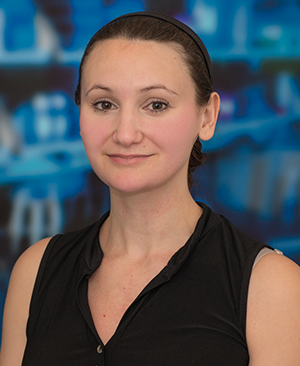 Valerie De Luca, Ph.D. vdeluca@tgen.org Postdoctoral Fellow Translational Genomics Research InstituteI obtained my PhD in Pharmacology & Toxicology in an effort to develop novel therapeutic strategies for cancer patients. My current research aims to leverage drug-induced functional states in glioblastoma to create more effective combinatorial treatments that can be translated to the clinic. A significant portion of my work is dedicated to developing extracellular vesicles (EVs) as a liquid biopsy tool, which can capture drug-induced changes in residual tumors. This approach has the potential to provide real-time insights into treatment efficacy, tumor progression, and patient-specific responses, ultimately improving personalized care.
I am committed to bridging the gap between basic science and clinical application, collaborating with multidisciplinary teams in both academic and clinical settings. By advancing new diagnostic and therapeutic strategies, I hope to enhance current treatment regimens and push for more targeted, effective therapies for brain cancer patients. I was the inaugural fellow for the Lori Lane/Andy Spyrow brain tumor fellowship, and I am currently supported by the American Cancer Society. -
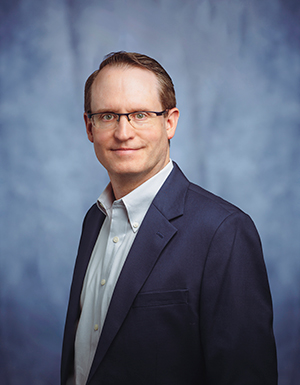 Maximilian Diehn, M.D., Ph.D. Jack, Lulu, and Sam Willson Professor and Professor of Radiation Oncology (Radiation Therapy) Stanford UniversityDr. Max Diehn received his undergraduate degree from Harvard College and his M.D./Ph.D. from Stanford University. He completed radiation oncology residency at Stanford and subsequently joined the faculty. He is the Jack, Lulu, and Sam Willson Professor, Vice Chair of Research, and Division Chief of Radiation and Cancer Biology in the Department of Radiation Oncology. He also co-leads the Stanford Cancer Institute’s Radiation Biology Program.
Dr. Diehn is a physician scientist and radiation oncologist who specializes in the treatment of lung cancer. His research program spans laboratory, translational, and clinical studies. The main focus of his research efforts is on the development and application of liquid biopsy technologies for diverse applications including cancer screening, treatment response assessment, characterization of treatment resistance mechanisms, and detection of minimal residual disease.
Dr. Diehn has served on numerous committees of national and international organizations including the National Cancer Institute (NCI), American Society of Clinical Oncology (ASCO), American Association for Cancer Research (AACR), European Society for Medical Oncology (ESMO), and International Association for the Study of Lung Cancer (IASLC). He is a Scientific Editor for Cancer Discovery and serves on the Thoracic Malignancies Steering Committee of the NCI. Dr. Diehn has been recognized with numerous awards, including the NIH Director’s New Innovator Award, the V Foundation Scholar Award, Sidney Kimmel Scholar Award, Doris Duke Clinical Scientist Development Award, John Yuhas Award (University of Pennsylvania), and Alvin S. Slotnick Award (Dana Farber Cancer Institute). He was elected to the American Society for Clinical Investigation (ASCI) and is a Fellow of the American Society of Clinical Oncology (FASCO). In 2021, he was elected to the National Academy of Medicine. -
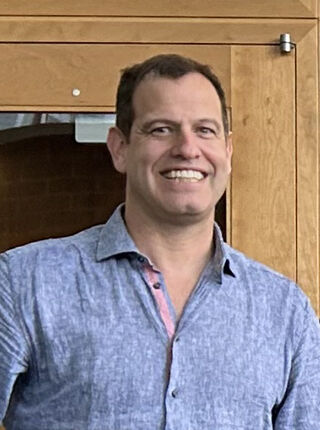 Roger A Greenberg, MD, PhD rogergr@pennmedicine.upenn.edu J. Samuel Staub M.D. Professor of Cancer Biology Perelman School of Medicine, University of PennsylvaniaRoger Greenberg, MD, PhD, is the J. Samuel Staub, M.D. Professor at the University of Pennsylvania Perelman School of Medicine, where he serves as Director of the Penn Center for Genome Integrity and Basic Science Director at the Basser Center for BRCA. Dr. Greenberg’s laboratory investigates basic mechanisms of genome integrity and their impact on cancer etiology and response to therapy. His major research interests center on (1) DNA damage repair by the breast cancer suppressor proteins BRCA1 and BRCA2, (2) targetable vulnerabilities in homologous recombination deficient cells, (3) mechanisms of alternative lengthening of telomeres, and (4) DNA damage dependent activation of immune responses to cancer. His group has contributed basic discoveries and translation advances in each of these areas.
Dr. Greenberg was elected to the American Society of Clinical Investigation and American Association of Physicians and is a recipient of numerous awards and keynote lecture invitations.
-
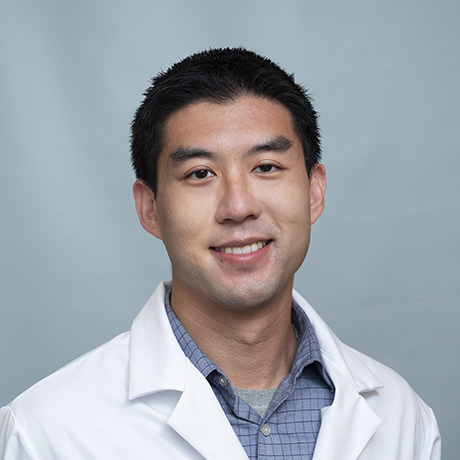 William L. Hwang, M.D., Ph.D. whwang1@mgh.harvard.edu Assistant Professor, Clinician-Investigator Harvard Medical School, Massachusetts General HospitalWilliam L. Hwang, MD, PhD, is a principal investigator and physician-scientist at Massachusetts General Hospital (MGH) and Harvard Medical School (HMS). He leads the Laboratory for Spatial and Systems Oncology across the MGH Center for Systems Biology, Krantz Family Center for Cancer Research, and Department of Radiation Oncology, and cares for patients with gastrointestinal malignancies.
His laboratory combines single-cell and spatial biology, advanced microscopy, and experimental perturbations to study interactions between tumors and their surrounding tissues. Using patient-derived specimens, stromal tumoroids, tumor slice cultures, and mouse models, his team investigates how cellular plasticity and interactions within the tumor microenvironment drive cancer progression, metastasis, and resistance to therapy. Dr. Hwang has authored more than 60 peer-reviewed publications, including papers in *Nature*, *Cell*, *Nature Genetics*, *Cancer Cell*, and *Cancer Discovery*. His work spans pancreatic cancer, spatial oncology, and cancer neuroscience.
A Rhodes Scholar (St. John's & Maryland, 2006) and Paul & Daisy Soros Fellow, Dr. Hwang has received the Burroughs Wellcome Fund Career Award for Medical Scientists, Pancreatic Cancer Action Network Career Development Award, AACR NextGen Star Award, Sir William Osler Young Investigator Award, Abeloff V Scholar Award, and ASCI Young Physician-Scientist Award, among other honors. -
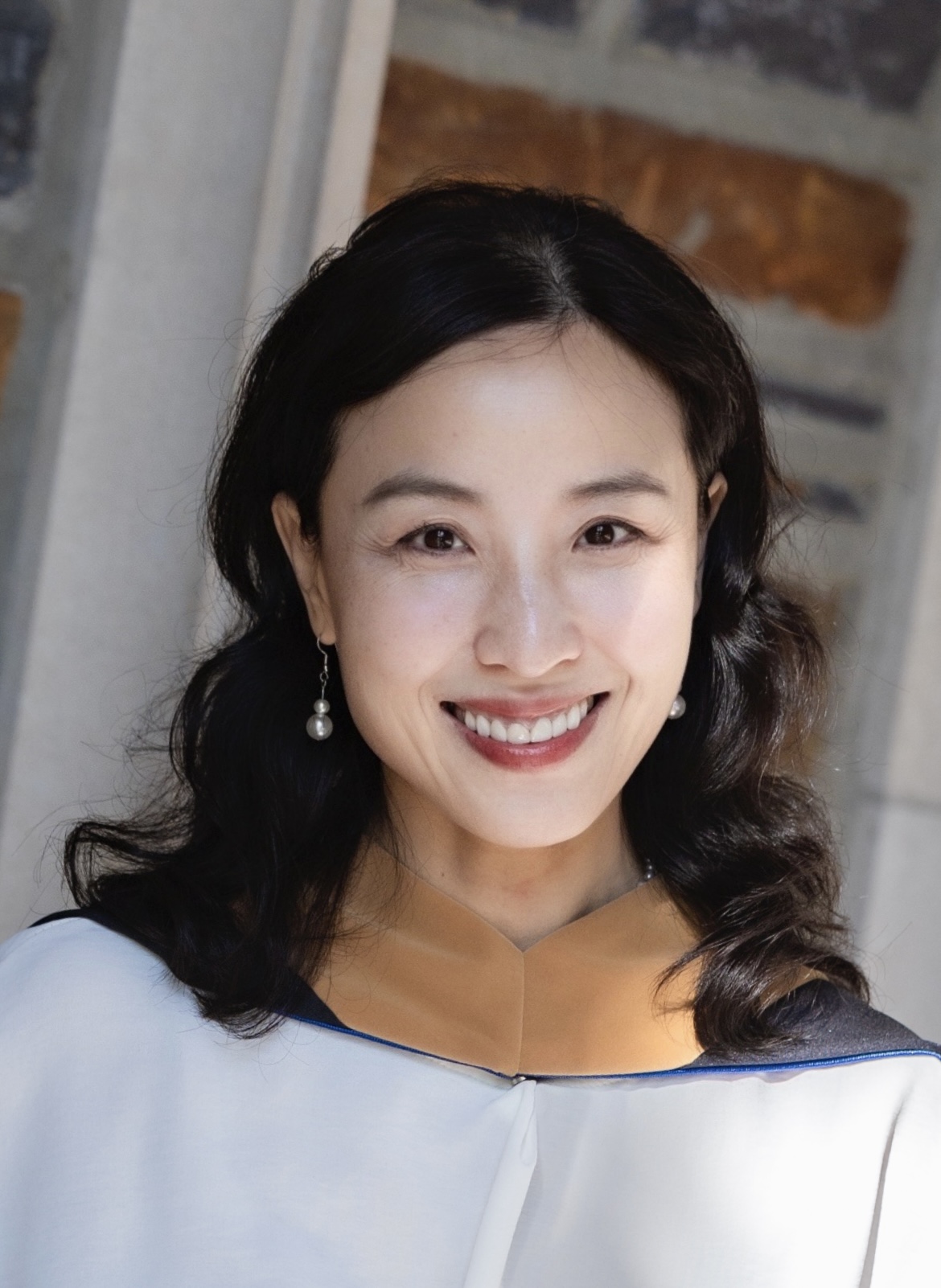 Li Lan, M.D., Ph.D. li.lan@duke.edu Associate Professor Duke UniversityLi Lan is an Associate Professor of Molecular Genetics and Microbiology and of Pharmacology and Cancer Biology at Duke University School of Medicine and a member of the Duke Cancer Institute. Her laboratory investigates how cancer cells maintain genome stability and how defects in DNA repair can be exploited for precision cancer therapy. Dr. Lan’s research focuses on DNA damage responses, transcription-coupled homologous recombination, R-loops, RNA modifications, replication stress, and innate immune signaling. Her group has made important contributions to understanding RNA-dependent DNA repair, including the discovery that TRDMT1-mediated RNA m5C modification promotes the recruitment of RAD52 and RAD51 to damaged, actively transcribed genomic regions. This work has established RNA-mediated genome maintenance as a potential therapeutic vulnerability in cancer and has revealed new connections among transcription, RNA modification, DNA repair, and tumor immunity. Her laboratory combines fundamental mechanistic studies with translational drug discovery. Current programs include developing first-in-class TRDMT1 inhibitors, identifying predictive biomarkers of treatment response, and designing rational combinations with DNA repair inhibitors, chemotherapy, radiation, and immunotherapy. Her team also works with engineers, chemists, and clinicians to develop innovative approaches in targeted drug delivery, liquid-biopsy diagnostics, and programmable mechanomedicine. These interdisciplinary efforts aim to translate biological discoveries into new therapeutic and diagnostic strategies for patients with cancer. Before joining Duke, Dr. Lan was a faculty member at Harvard Medical School and Massachusetts General Hospital Cancer Center and previously conducted research at the University of Pittsburgh Cancer Institute. Dr. Lan is an elected member of the American Society for Clinical Investigation. She is also dedicated to mentoring the next generation of scientists and fostering collaborations across disciplines. Through research, mentorship, and entrepreneurship, she is committed to transforming discoveries in genome maintenance into biomarkers, technologies, and treatments that improve cancer care.
 -
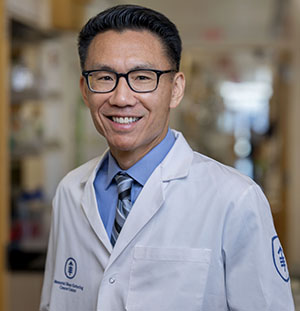 Andy Minn, M.D. , Ph. D Chair, Immuno-Oncology Program; Co-director, Kravis Center for Cancer Immunobiology Memorial Sloan Kettering Cancer CenterDr. Andy Minn is the Chair of the Immuno-Oncology Program and an Attending in the Department of Radiation Oncology at Memorial Sloan Kettering Cancer Center (MSK) and Chair of the Marie-Josée Kravis Center for Cancer Immunobiology. He received his MD and PhD from the University of Chicago and finished his residency in radiation oncology along with his post-doctoral training at MSK. His research seeks to understand key mechanisms of cancer immunotherapy resistance. Specifically, his work focuses on the role of chronic interferon and inflammatory signaling, which are pathways that are typically activated when normal cells become persistently infected with a virus. Surprisingly, cancers and many cancer therapies also can activate these pathways, prompting an interest in understanding how this happens, the impact on anti-tumor immunity, and its clinical significance. An overarching goal is to translate this understanding to better inform the design of clinical trials. Dr. Minn’s work has been published in prestigious scientific journals such as Cell, Science, Nature, and Immunity. He is also a member of the American Society for Clinical Investigators (ASCI). For more information, please visit: www.minnlab.org.
 -
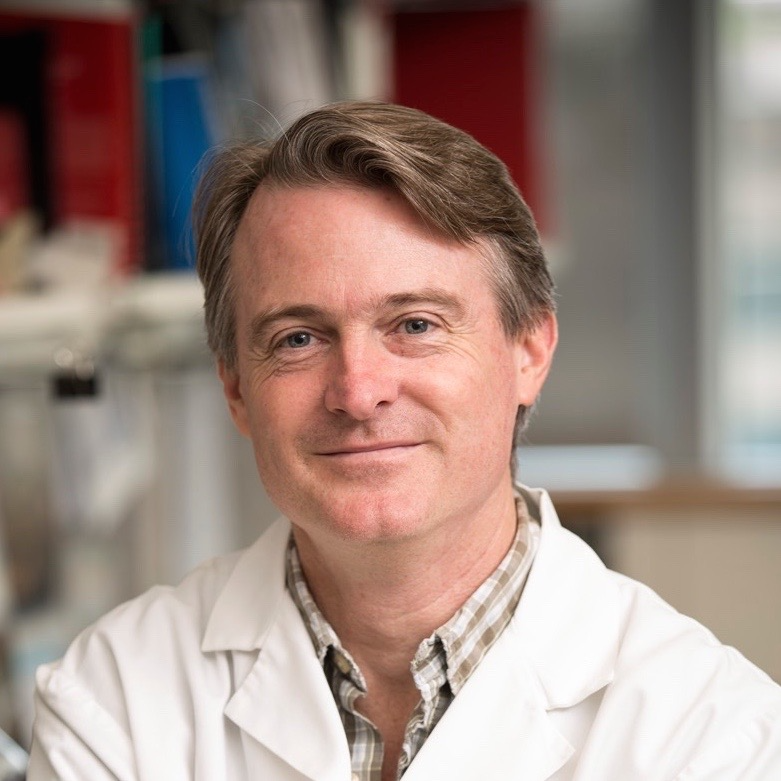 Frank John Slack, Ph.D. fslack@bidmc.harvard.edu Professor Harvard Medical SchoolFrank Slack, Ph.D., is the Shields Warren Mallinckrodt Professor of Pathology at Harvard Medical School. He is also Director of the Harvard Medical School Initiative for RNA Medicine hosted at Beth Israel Deaconess Medical Center (BIDMC). He received his B.Sc. from the University of Cape Town in South Africa, before completing his Ph.D. in molecular biology at Tufts University School of Medicine. He worked as a postdoctoral fellow in Gary Ruvkun’s laboratory at HMS, where his work contributed to the 2024 Nobel Prize on microRNAs for Dr. Ruvkun. Dr. Slack subsequently moved to the Department of Molecular, Cellular, and Developmental Biology at Yale University, where he was a program leader in the Yale Cancer Center and the director of the Yale Center for RNA Science and Medicine. There he discovered that microRNAs regulate key human oncogenes and have the potential to act as therapeutics. He also demonstrated the first role for a microRNA in the aging process. In 2014, he joined Harvard Medical School/BIDMC. In 2016 he became the founding Director of the HMS Initiative in RNA Medicine. In 2020 he took on the role of Director of the BIDMC Cancer Research Institute. Dr. Slack was an Ellison Medical Foundation Senior Scholar; received the 2014 Heath Memorial Award from MD Anderson Cancer Center, a Fellow of the AAAS, and is an NCI Outstanding Investigator. He is co-founder of five companies in this area, MiraDx, Impilo, 28/7 Tx, LigamiR Tx and Zeal Tx and, and is or has been on the SAB of multiple additional companies, including Mirna Rx, miRagen Rx, Mirecule Rx, Transcode Rx, Alloy Rx.
 -
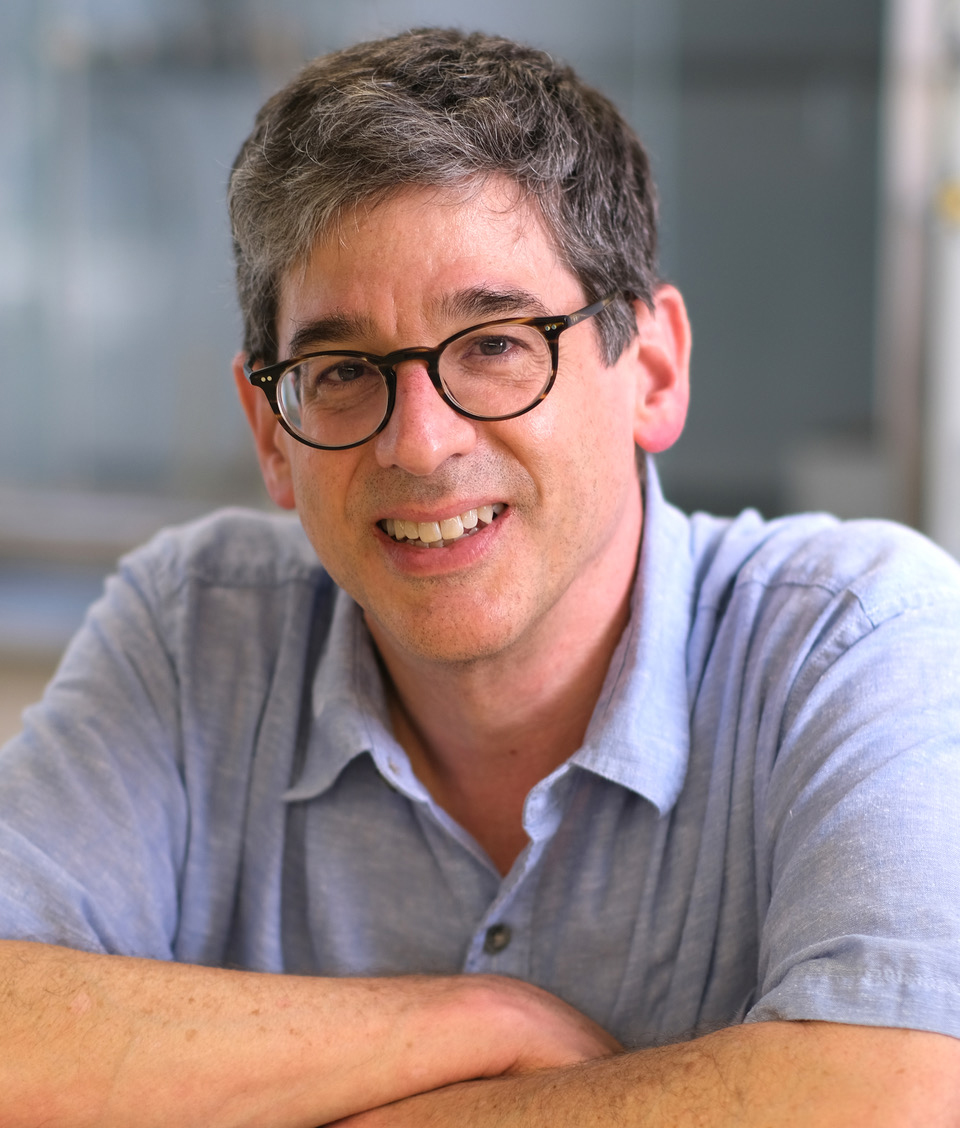 Robert Wechsler-Reya, Ph.D. H. Houston Merritt Professor of Neurological Sciences, Scientific Director of Brain Tumor Research, Herbert Irving Comprehensive Cancer Center Columbia University Medical CenterDr. Wechsler-Reya received his A.B. from Harvard and his Ph.D. in Immunology from the University of Pennsylvania, and did postdoctoral training in Cancer Biology and Developmental Neurobiology at the Wistar Institute and at Stanford. He started his own lab at Duke University, and subsequently moved to the Sanford Burnham Prebys Medical Discovery Institute in La Jolla. In 2022, he was recruited to Columbia University, where he serves at H. Houston Merritt Professor of Neurological Sciences and Scientific Director of Brain Tumor Research in the Herbert Irving Comprehensive Cancer Center. His research focuses on the signals that control growth and differentiation in the nervous system, and how these signals are dysregulated in pediatric brain tumors. His lab’s contributions include demonstrating that Sonic hedgehog functions as a mitogen for neuronal precursors in the developing cerebellum; discovering a novel population of neural stem cells in the neonatal cerebellum; demonstrating that both neuronal precursors and stem cells can serve as cells of origin for medulloblastoma; and identifying a population of cancer stem cells that is critical for propagation of Shh-associated tumors. More recently, they have developed new genetically engineered mouse and patient-derived xenograft models of MYC-driven medulloblastoma, and are using them to test novel approaches to therapy, including epigenetic modulators and immunotherapies. In addition to his position at Columbia, he serves as co-director of the Pediatric Neuro-Oncology Consortium’s Medulloblastoma Working Group, and has worked with PNOC investigators to develop clinical trials for patients with recurrent medulloblastoma, ependymoma and high-grade glioma.
 -
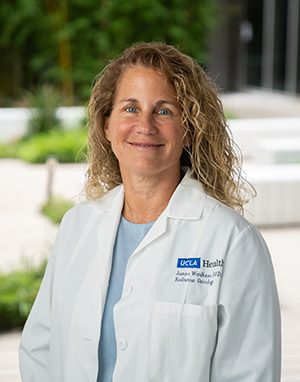 Joanne B Weidhaas, M.D., Ph.D. Professor, Vice Chair, Department of Radiation Oncology UCLADr. Joanne Weidhaas is Professor and Department Vice Chair of Radiation Oncology at the University of California, Los Angeles, where she holds the Jennifer Jones Simon Chair in Radiation Oncology. A physician-scientist, she has built her career around understanding how non-coding RNAs, particularly microRNAs, shape cancer risk, tumor behavior, and response to therapy.
Dr. Weidhaas's laboratory has maintained continuous NIH funding for its microRNA research, with a focus on translating these discoveries into personalized medicine. She has served as principal investigator on NIH-funded studies of let-7 microRNAs in lung cancer growth and radioresistance, microRNAs in breast cancer causation and outcome, and germline microRNA binding-site variants as biomarkers of toxicity and response to immune checkpoint inhibition. This work has helped establish inherited variants that disrupt microRNA regulation as a distinct class of cancer biomarkers. Her ongoing clinical research includes application of these biomarkers to better select treatment, considering both toxicity as well as cancer cure.
Committed to moving laboratory findings into clinical use, Dr. Weidhaas holds several patents, co-founded the molecular diagnostics company, MiraDx, and founded MiraKind, a nonprofit dedicated to applying microRNA discoveries to cancer.
Before joining UCLA, she was on the faculty of Yale Cancer Center, where she led the breast radiation oncology service. She received her undergraduate degree from Yale University, earned her MD and PhD at Tufts University School of Medicine, completed residency at Memorial Sloan-Kettering Cancer Center, and later obtained a master's in management from the Stanford Graduate School of Business. She is board certified in radiation oncology.
A frequent invited speaker at conferences worldwide, Dr. Weidhaas will present "Application of microRNA Genetics in Clinical Radiation Oncology," discussing how inherited variation in microRNA regulation can predict treatment response and toxicity and help guide more personalized radiation therapy.
-
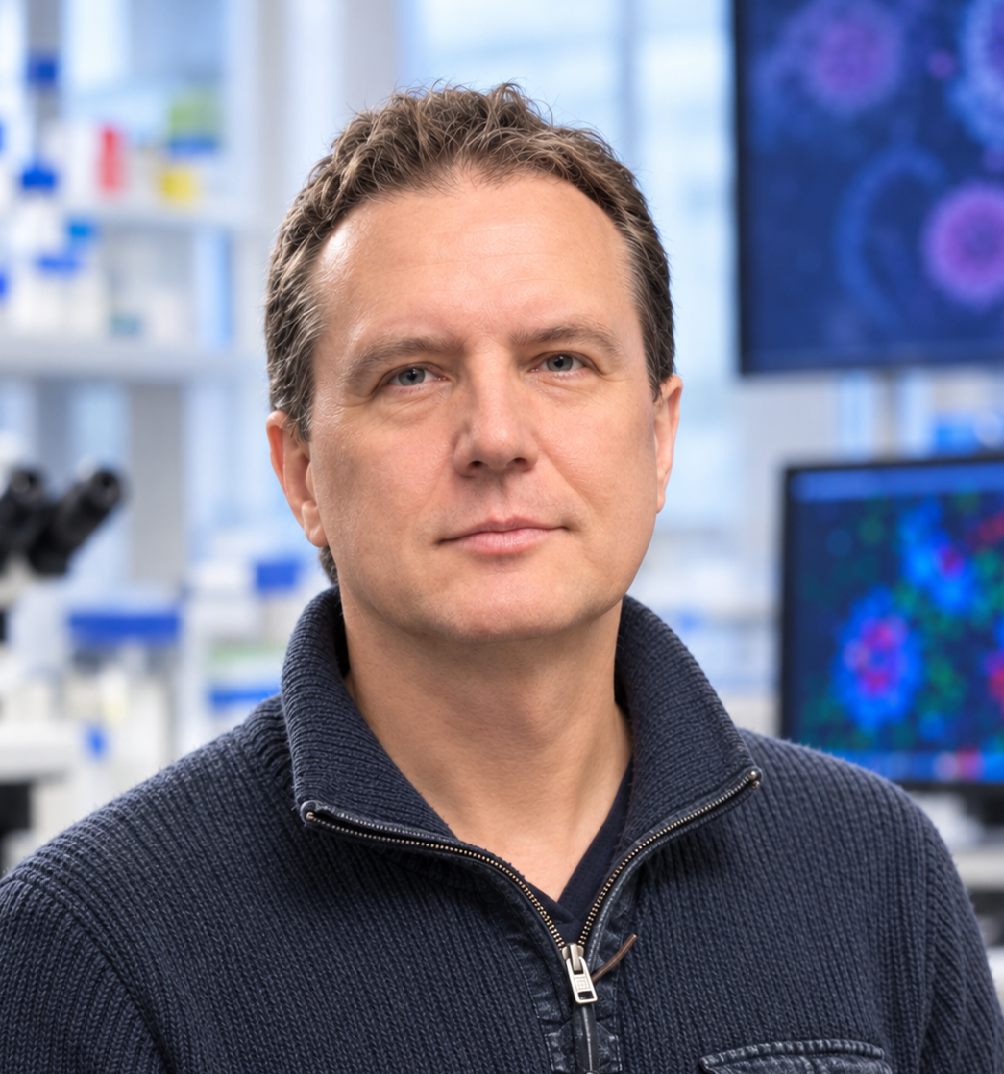 Vasily A. Yakovlev, M.D., Ph.D. vasily.yakovlev@vcuhealth.org Associate Professor Virginia Commonwealth University/ Massey Comprehensive Cancer CenterVasily A. Yakovlev, PhD, is an Associate Professor in the Department of Radiation Oncology at Virginia Commonwealth University School of Medicine and Massey Comprehensive Cancer Center. He has more than two decades of experience in radiation oncology research, with a focus on the biological mechanisms underlying radiation response and normal-tissue toxicity.
Dr. Yakovlev’s research program investigates extracellular vesicles (EVs) and EV-associated RNAs as non-invasive biomarkers of cancer progression, radiation response, and treatment-related toxicity. His work has included studies of circulating EVs in lung and prostate cancer and, more recently, prospective investigations of EV-associated miRNAs as biomarkers of acute and late radiation toxicity in breast cancer patients. His research also examines mechanisms of radiation-induced normal-tissue injury and approaches for mitigating radiation toxicity.
Dr. Yakovlev is particularly interested in translating liquid biopsy approaches into clinically relevant biomarkers that can support individualized radiation treatment and longitudinal monitoring of patients. His current research includes the role of hepatocyte-derived extracellular vesicles in liver regeneration and the development of EV-based approaches for understanding tissue responses to injury.
He is an active member of the International Society for Extracellular Vesicles and the American Association of Extracellular Vesicles and has served as a reviewer, scientific committee member, and mentor in several research and training programs. -
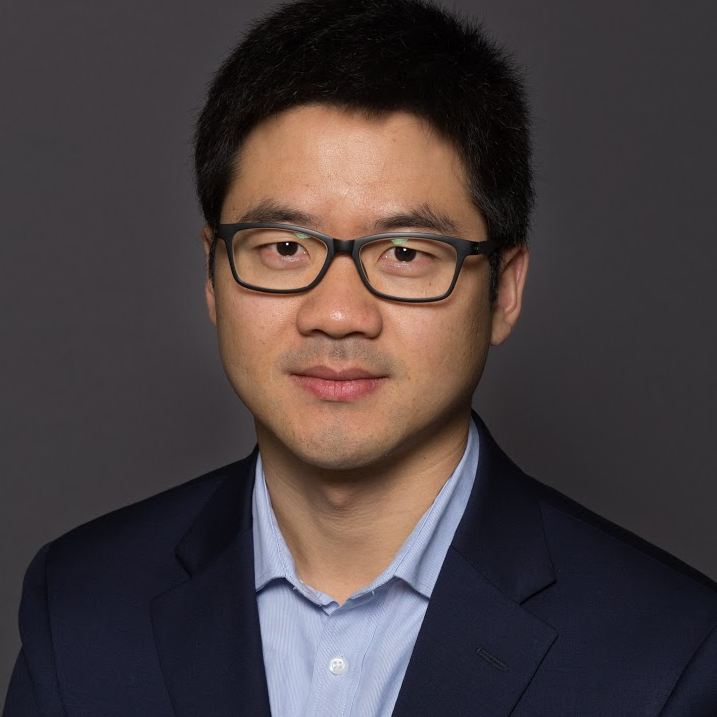 Guizhi (Julian) Zhu, PhD guizhiz@umich.edu Associate Professor University of MichiganDr. Guizhi (Julian) Zhu is currently Ara Garo Paul Associate Professor and Associate Chair of the Department of Pharmaceutical Science, University of Michigan – Ann Arbor. He received BS degree in Biotechnology from Nankai University, PhD degree in Biomedical Sciences from the University of Florida, followed by a postdoc training on drug delivery and bioimaging at the National Institute of Biomedical Imaging and Bioengineering (NIBIB) of NIH. His multidisciplinary research group (https://www.guizhizhu.org/) recently studies the engineering and delivery of circular RNA therapeutics and vaccines for the treatment and prophylaxis of cancer, infectious diseases, autoimmune diseases, and genetic diseases. His team's research has been funded by NIH, CDMRP, American Cancer Society, among others. He has published over 100 peer-reviewed papers. His research has been recognized by professional awards, including the 2026 Biomaterials Young Investigator Award, the 2022 Oligonucleotide Pharmaceutical Society (OTS) Young Investigator Award, and the 2022 American Association of Pharmaceutical Scientists (AAPS) Emerging Leader Award.