
DCTD Workshop: Foundation Models for Cancer- Advancing Diagnosis, Prognosis, and Treatment Response (Speaker Bios)
-
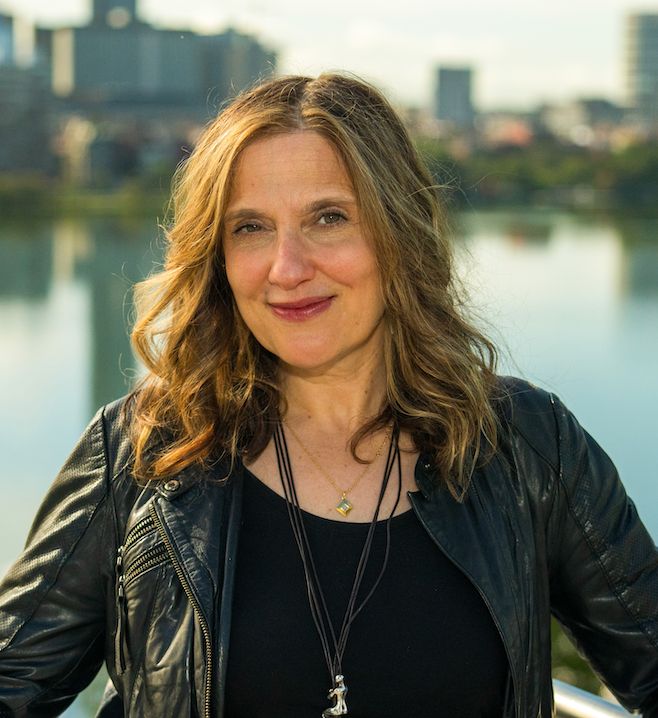 Regina Barzilay, Ph.D. regina@csail.mit.edu School of Engineering Distinguished Professor for AI and Health, AI lead, Jameel Clinic for Machine Learning and Health Massachusetts Institute of Technology,Regina Barzilay is a School of Engineering Distinguished Professor of AI & Health in the Department of Computer Science and the AI Faculty Lead at MIT Jameel Clinic. She develops machine learning methods for drug discovery and clinical AI. In the past, she worked on natural language processing. Her research has been recognized with the MacArthur Fellowship, an NSF Career Award, the AAAI Squirrel AI Award for Artificial Intelligence for the Benefit of Humanity, and the IEEE Frances E. Allen Medal for innovative machine learning algorithms that have led to advances in human language technology and demonstrated impact on the field of medicine. Regina is a member of the National Academy of Engineering, National Academy of Medicine, and the American Academy of Arts and Sciences.
 -
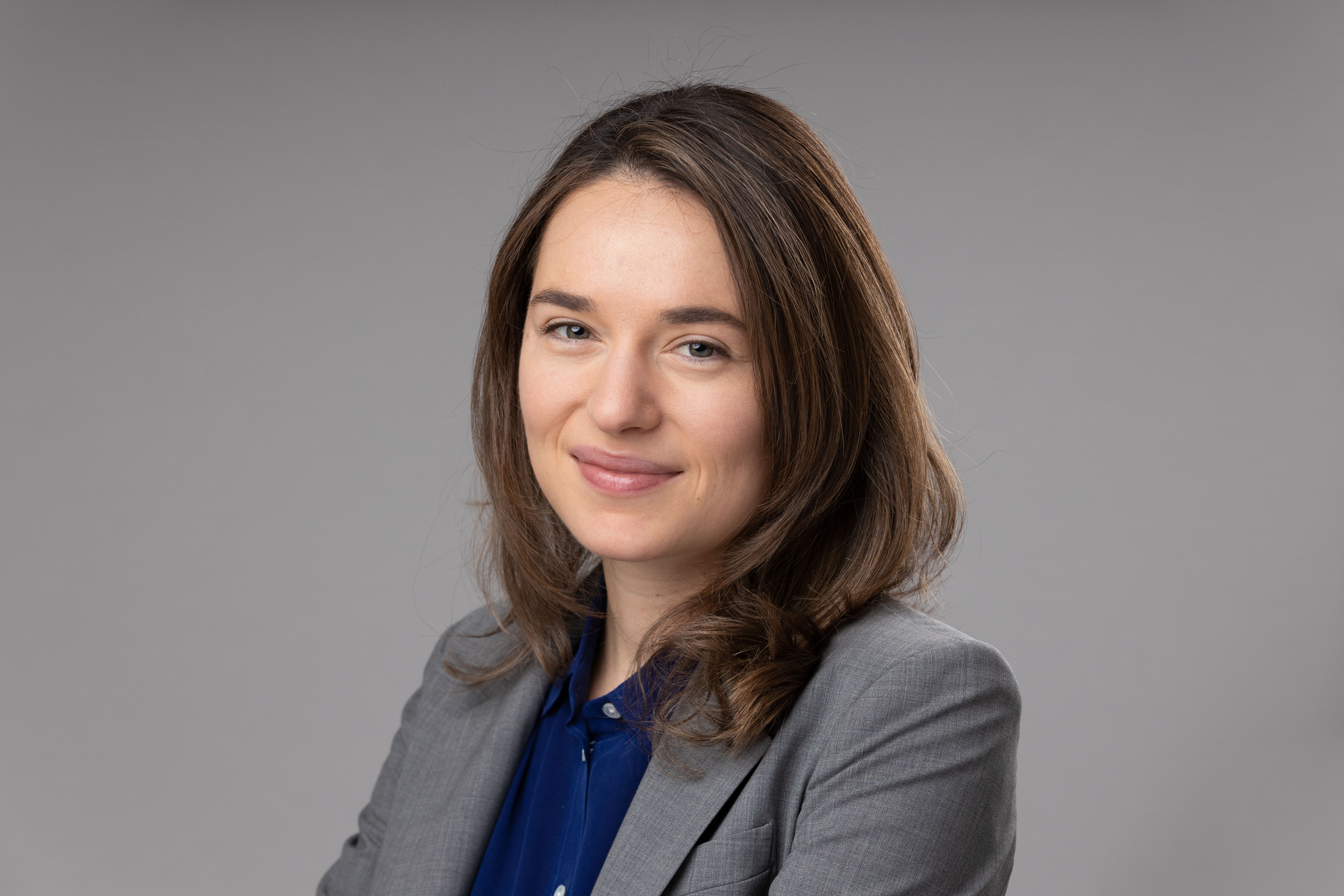 Danielle Bitterman, M.D. Assistant Professor Harvard Medical SchoolDr. Danielle Bitterman is an Assistant Professor at Harvard Medical School who is dedicated to developing and implementing advances in natural language processing and large language models for safe, equitable healthcare. She is faculty in the Artificial Intelligence in Medicine Program at Mass General Brigham, and a radiation oncologist at Brigham and Women’s Hospital. Her expertise includes large language model evaluation and risk monitoring, information extraction from the electronic health records, and translational studies of AI in the clinic. Dr. Bitterman’s research has been published in high-impact venues spanning medicine and computer science, including Nature Medicine, Lancet Digital Health, the Journal of Clinical Oncology, and NeurIPS.
Dr. Danielle Bitterman is an Assistant Professor at Harvard Medical School whose work is dedicated to developing and implementing advances in natural language processing and large language models for safe, equitable healthcare. She is faculty in the Artificial Intelligence in Medicine Program at Mass General Brigham, a radiation oncologist at Brigham and Women’s Hospital, and Clinical Lead for Data Science/AI at Mass General Brigham Digital. Her expertise includes language model evaluation and risk monitoring, information extraction from the electronic health records, and translational studies of AI in the clinic. Dr. Bitterman’s research is supported by funding from National Cancer Institute, the American Cancer Society, the American Society for Radiation Oncology, the Patient-Centered Outcomes Research Institute, and Harvard Catalyst. -
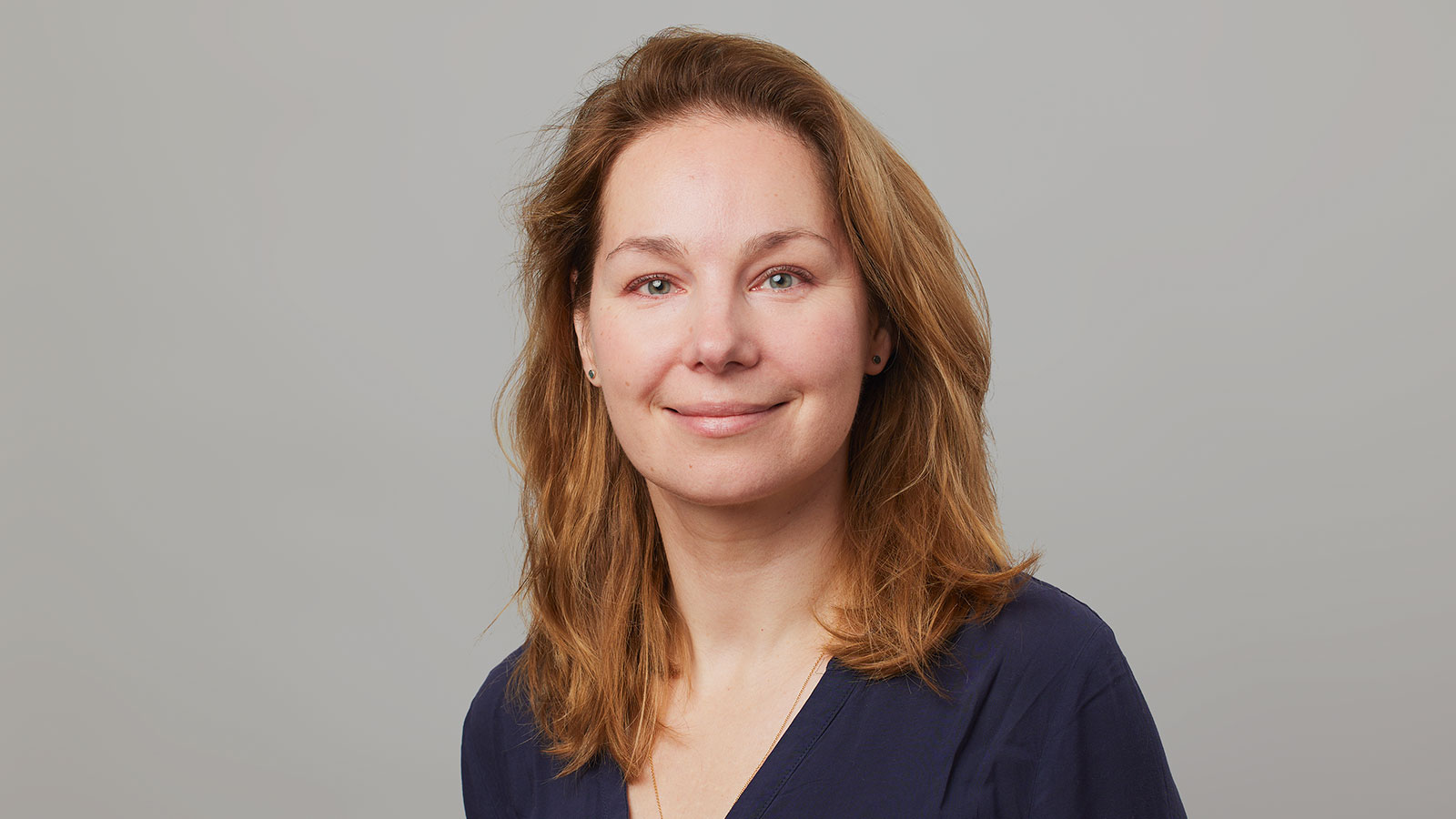 Valentina Boeva, Ph.D. Professor ETH ZurichDr. Valentina Boeva is a Tenure Track Assistant Professor at the Department of Computer Science, ETH Zurich, where she leads the Computational Cancer Genomics Group. Her research focuses on developing computational methods for multi-omics data integration to understand the epigenetic and transcriptional plasticity of cancer cells. Before joining ETH Zurich in 2019, Prof. Boeva led the Computational Epigenetics of Cancer laboratory at Inserm's Cochin Institute in Paris. She holds a Ph.D. in Bioengineering and Bioinformatics from Lomonosov Moscow State University. Throughout her career, Prof. Boeva has made contributions to the field of computational cancer genomics with developing methods for the analysis of DNA sequencing data, bulk and single-cell transcriptomics and epigenomics data, and, recently, spatial transcriptomics and proteomics.
 -
 Charlotte Bunne, Prof. Dr. Assistant Professor EPFLCharlotte Bunne is an assistant professor at EPFL in the School of Computer and Communication Sciences (IC) and School of Life Sciences (SV). She is part of the Swiss Institute for Experimental Cancer Research (ISREC) and the EPFL AI Center. Before, she was a PostDoc at Genentech and Stanford working with Aviv Regev and Jure Leskovec and completed a PhD in Computer Science at ETH Zurich working with Andreas Krause and Marco Cuturi. During her graduate studies, she was a visiting researcher at the Broad Institute of MIT and Harvard hosted by Anne Carpenter and Shantanu Singh and worked with Stefanie Jegelka at MIT. Charlotte is an AI2050 Early Career Fellow, a Fellow of the German National Academic Foundation, and a recipient of two ETH Medals.
 -
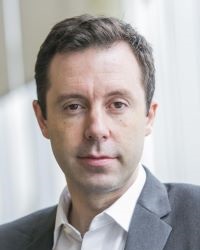 Olivier Elemento, Ph.D. Professor of Systems and Computational Biomedicine Weill Cornell Medical CollegeOlivier Elemento, PhD, is the Director at the Englander Institute for Precision Medicine at Weill Cornell Medicine, a large multi-disciplinary institute that uses precision medicine technologies and informatics to uncover the molecular mechanisms of disease and individualize disease treatment and prevention. In addition, he is a full Professor of Systems and Computational Biomedicine, Associate Director of the Institute for Computational Biomedicine at Weill Cornell Medical College, and Associate Director of the Clinical and Translational Science Center at Weill Cornell Medical College. Dr. Elemento’s research group combines Big Data, Artificial Intelligence with experimentation and genomic profiling to accelerate the discovery of cancer cures. Dr. Elemento and his team have published over 500 scientific papers in the area of precision medicine, genomics, epigenomics, artificial intelligence, computational biology and drug discovery.
Dr. Elemento is a recipient of awards including the NSF CAREER Award, Siegel Family Award for Outstanding Medical Research, the Irma T. Hirschl Career Scientist Award and the Daedalus Fund for Innovation Award. His research group has developed new assays and analytical pipelines for cancer genome and epigenome analysis, clinical sequencing and precision medicine. They led the development of the first New York State approved whole exome sequencing test for oncology and pioneered new methods for assessing tumor-driving pathways, the immune landscape of tumors and predicting immunotherapy responders. In addition, Dr. Elemento and his lab developed methodologies to repurpose existing drugs to target specific pathways, predict drug toxicity and identify synergistic drug combinations. His research has been highlighted in broad audience media outlets, including the New York Times Magazine, NPR, Wired, Popular Science, CBS, Gizmodo, and Huffington Post.
-
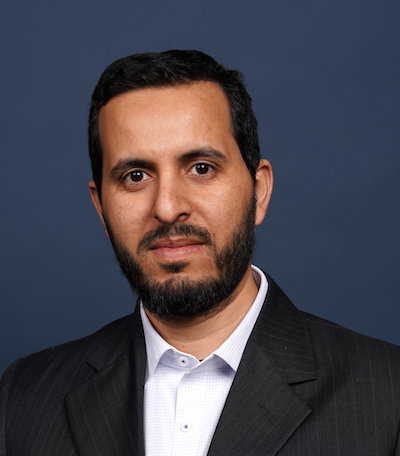 Haitham Elmarakeby, Ph.D. haithama_elmarakeby@dfci.harvard.edu Instructor of Medicine Harvard: Dana-Farber Cancer Institute (DFCI)Haitham Elmarakeby, Ph.D., is an Instructor at Dana-Farber Cancer Institute and Harvard Medical School and an affiliated researcher at the Broad Institute of MIT and Harvard. His research focuses on developing interpretable, biologically informed machine learning models to study cancer progression, therapeutic resistance, and clinical outcomes. He leads a multidisciplinary research team that integrates genomic, clinical, and computational data to advance precision oncology and guide data-driven treatment strategies.
Dr. Elmarakeby received his B.Sc. and M.Sc. in Computer Engineering from Cairo, Egypt, and earned his Ph.D. in Computer Engineering from Virginia Tech before completing postdoctoral training at Dana-Farber. His long-term vision is to build foundation models for cancer biology and patient care that combine mechanistic interpretability with clinical utility, ultimately enabling more personalized and equitable treatment approaches. -
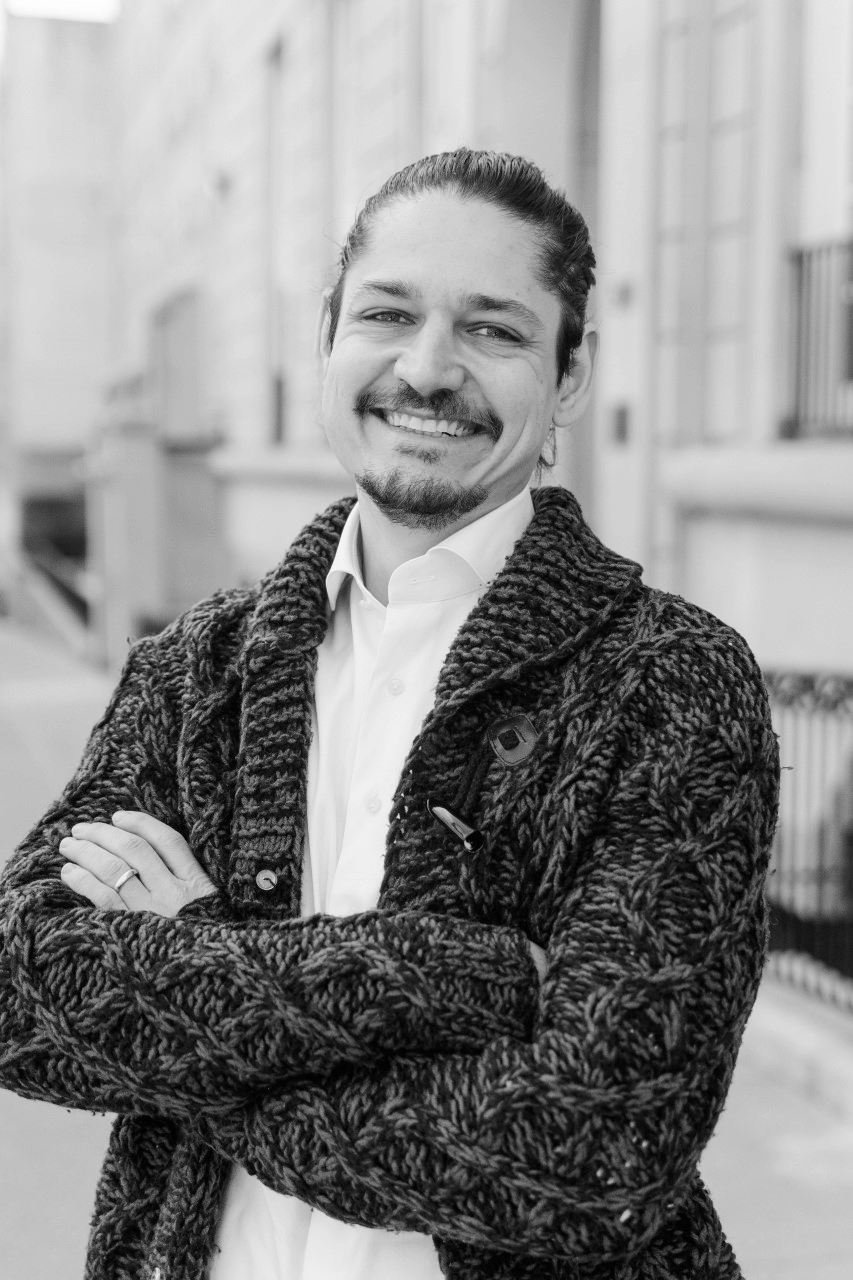 Vitalay Fomin, Ph.D. vf@numenos.ai CEO NumenosVitalay Fomin is the CEO and co-founder of Numenos, a company pioneering foundation model architectures that discover fundamental biological principles from individual patient data. Unlike traditional machine learning approaches that treat diseases as isolated categories, Numenos has built a unified infrastructure that integrates biologically siloed data across disease areas—oncology, rare diseases, cardiovascular, immunology—enabling the discovery of invariant biological mechanisms that apply across contexts.
Previously, at Roche Research & Early Development Informatics in New York, Vitalay developed innovative workflows to identify genomic and biomarker features affecting immunotherapy response, particularly in non-small cell lung carcinoma (NSCLC). His research leveraged large clinico-genomic databases such as Flatiron Health, vast internal multi-modal clinical trial data, and cutting-edge machine learning approaches to understand checkpoint inhibitor resistance in cancer.
At Otsuka, he led early translational medicine and external innovation initiatives, leveraging both internal and external datasets and technologies to drive successful clinical drug development in cardiorenal and neuropsychiatric indications.
As both a data scientist and molecular biologist, Vitalay combines computational and experimental expertise to reveal and target novel mechanisms contributing to disease progression and drug response. The vision at Numenos is to move beyond incremental predictive improvements toward a unified causal framework that characterizes human disease at a principled level, enabling therapy design based on foundational biological understanding that applies to individuals. -
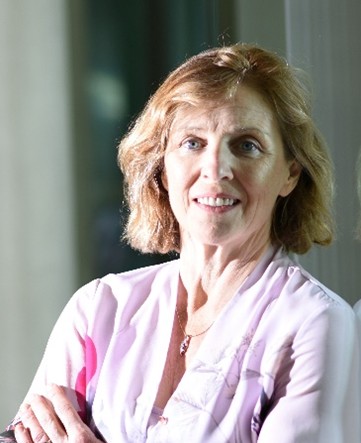 Susan Galbraith, PhD MRCP FRCR FMedSci susan.galbraith@astrazeneca.com Executive Vice President, Oncology Haematology R&D AstraZenecaDr Susan Galbraith, MB BChir PhD MRCP FRCR FMedSci FAAACR
EVP, Oncology Haematology R&D, AstraZeneca
Susan has over 23 years of Oncology pharmaceutical development experience. She joined AstraZeneca in 2010 and became EVP of Oncology Haematology R&D in 2021. She has been responsible for transforming the productivity and scientific output from AstraZeneca Oncology Haematology R&D. Susan has helped develop 13 approved medicines including olaparib, osimertinib, acalabrutinib, durvalumab, selumetinib, savolitinib, tremelimumab, trastuzumab deruxtecan, capivasertib, and datopotamb deruxtecan. In her prior role at Bristol-Myers Squibb she was instrumental in the development of nivolumab, ipilimumab and elotuzumab.
Susan is a member of the Cambridge Cancer Centre Executive Committee and the Scientific Advisory Board of the Institute of Cancer Research (ICR). From 2021 to 2024 she served on the Board of Directors of the American Association of Cancer Research (AACR) and currently serves on the European Association of Cancer Research (EACR) Advisory Council.
Susan trained as a Clinical Oncologist in the United Kingdom. She studied Medicine at Manchester and Cambridge Universities. She was admitted to Membership of the Royal College of Physicians in 1992 and then trained in Clinical Oncology in London. She gained Fellowship of the Royal College of Radiologists in 1997. She then completed a PhD at the University of London involving translational work on a vascular-targeting agent. In recognition of her contributions to oncology drug development, she was awarded an honorary Doctorate of Medical Science from the ICR in 2017, admitted to the Fellowship of the Academy of Medical Sciences in 2018 and elected to the Academy of the AACR in 2024.
-
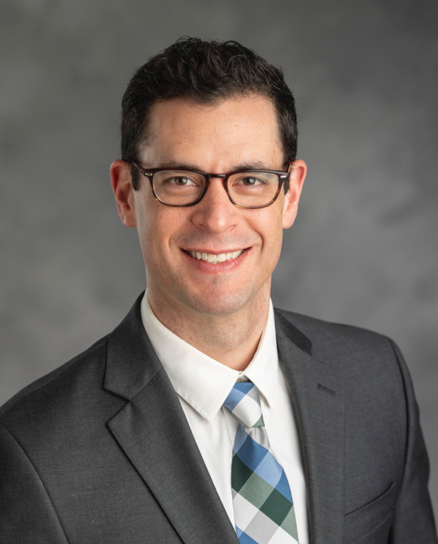 Todd C Hollon, MD tocho@med.umich.edu Assistant Professor University of MichiganTodd C. Hollon, MD, is an Assistant Professor of Neurosurgery at the University of Michigan and the Joseph R. Novello, MD & Alfredo Quiñones-Hinojosa, MD Endowed Professor. He is also an Assistant Professor in AI and Digital Health Innovation, the Michigan Institute for Data & AI in Society, the Rogel Cancer Center, the Center for Computational Medicine and Bioinformatics, and Computer Science and Engineering. A neurosurgeon-scientist specializing in neuro-oncology and skull base surgery, Dr. Hollon’s clinical practice focuses on the care of patients with gliomas, meningiomas, schwannomas, and pituitary tumors, using both endoscopic and open skull base techniques.
Dr. Hollon leads a multidisciplinary research program at the intersection of neurosurgery, biomedical imaging, and artificial intelligence. His lab develops machine learning methods that learn from complex clinical, imaging, and molecular datasets to improve diagnosis, surgical decision-making, and treatment of neurological disease. He has pioneered the clinical translation of deep-learning–based analysis of label-free optical imaging, culminating in multiple landmark publications in Nature Medicine, Nature, and Nature Biomedical Engineering. His work has advanced rapid intraoperative tumor diagnosis, AI-driven molecular classification, and health-system–scale neuroimaging foundation models.
He serves as MPI or Co-Investigator on several NIH-funded projects, including R01 and R37 awards, and holds ongoing support from the Chan Zuckerberg Initiative, the Institute for Heart and Brain Health, and other foundations. His contributions to neurosurgical AI have been recognized with numerous national awards from the American Association of Neurological Surgeons and Congress of Neurological Surgeons. -
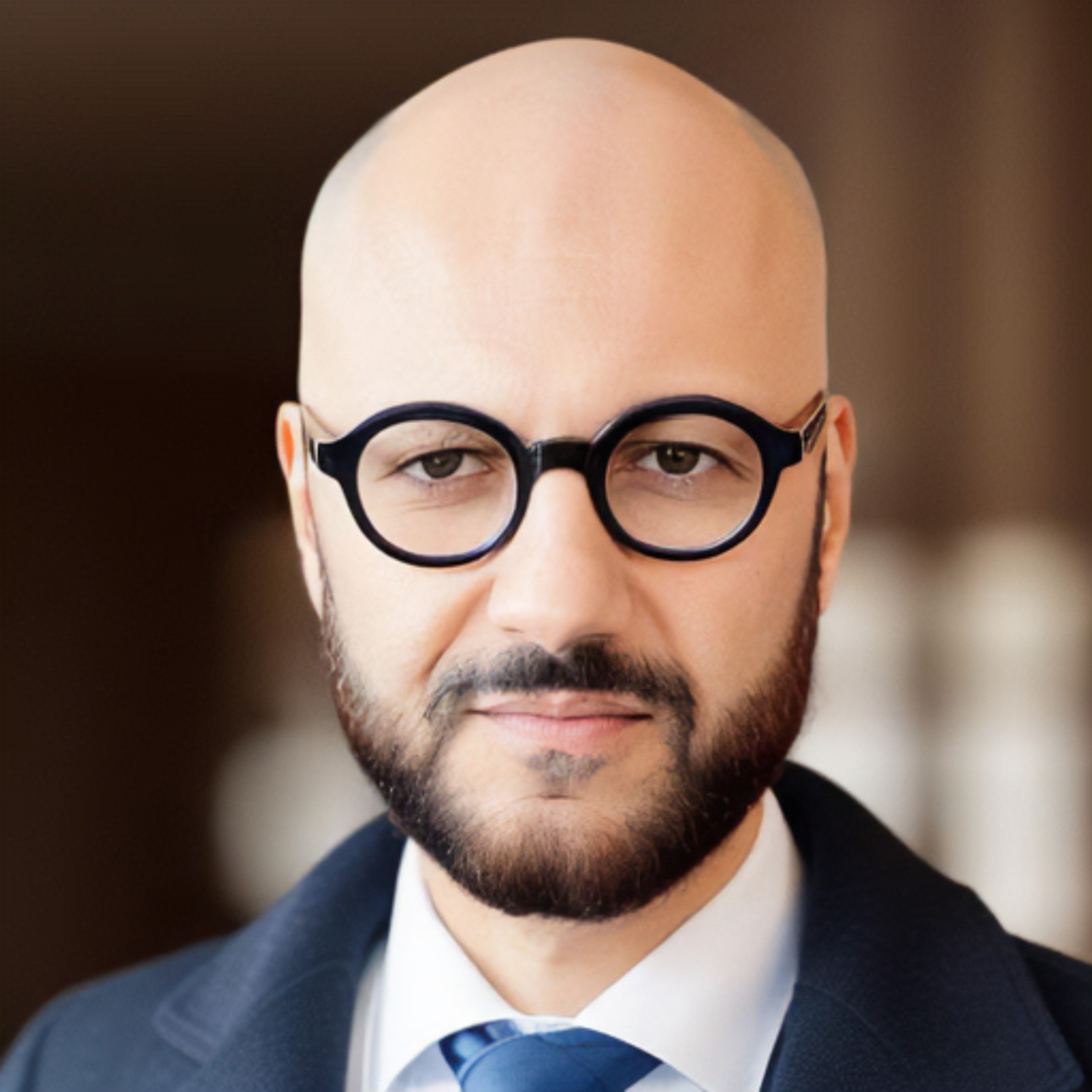 Sean Khozin , M.D. Chief Executive Officer CEO Roundtable on Cancer and Project Data SphereDr. Sean Khozin serves as the Chief Executive Officer of the CEO Roundtable on Cancer and Project Data Sphere directing the organizations' public health programs and pioneering initiatives focused on the development of AI foundation models in oncology. Concurrently, he is the founder of Phyusion Bio and a Research Affiliate at the Massachusetts Institute of Technology, focusing on novel AI applications and machine learning to accelerate drug discovery and optimize therapeutic development strategies.
Previously, Dr. Khozin served as the Chief Executive Officer of CancerLinQ, the Global Head of Data Strategy and Data Science Innovation at Johnson & Johnson, Associate Director at U.S. FDA OCE, and Executive Director of FDA INFORMED. -
 William J. Kim, Ph.D. william.kim@yale.edu Assistant Professor Yale University School of MedicineDr. William Kim is an Assistant Professor at Yale University School of Medicine. He received his Ph.D. from Duke University, where he conducted his graduate research at the Duke Institute for Genome Sciences and Policy with support from the Department of Defense Breast Cancer Research Program and the Korean Science & Engineering Foundation. He then pursued postdoctoral training at the Dana-Farber Cancer Institute and the Broad Institute of Harvard and MIT, where he made significant contributions to the development of innovative computational and experimental approaches for studying the functional cancer genome. During this time, he also discovered a novel role for the enzyme Protein phosphatase 2A (PP2A) in oncogenic transformation, expanding current understanding of this key signaling pathway in tumorigenesis.
Dr. Kim subsequently joined the University of California San Diego School of Medicine in the Division of Genomics and Precision Medicine, where he co-led a multidisciplinary team of researchers, clinicians, patients, and community advocates as part of a California Initiative for Precision Medicine project supported by the California Governor's Office. He also served as Co-Director of the UCSD Center for Cancer Target Discovery and Development (CTD2), advancing efforts to integrate data-driven and biological strategies in cancer research.
His current research aims to bridge the gap between cancer biology and data science, working towards a comprehensive understanding of cellular circuitry and the realization of the full potential of cancer precision medicine.
-
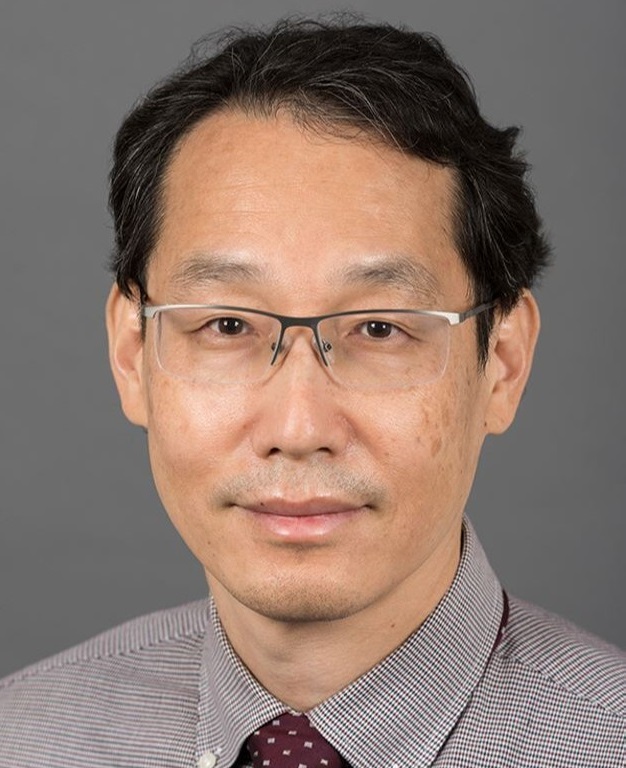 Kwonmoo Lee, Ph.D. Assistant Professor Boston Children's HospitalDr. Kwonmoo Lee is an Assistant Professor in the Vascular Biology Program at Boston Children’s Hospital and Harvard Medical School. His research centers on AI-driven analysis of live-cell videos and single-cell transcriptomic data to unravel the heterogeneity of cellular morphodynamics and motility, with a focus on cancer and tissue regeneration. By developing computational tools that extract rich, time-resolved features from live-cell imaging and integrate them with single-cell and spatial transcriptomic profiles, his lab aims to uncover how dynamic changes in cell shape and movement relate to underlying molecular mechanisms and phenotypic heterogeneity. Dr. Lee received his Ph.D. in physics from MIT and completed postdoctoral training in cell biology at Harvard Medical School. Before joining Boston Children’s Hospital in 2020, he was an Assistant Professor of Biomedical Engineering at Worcester Polytechnic Institute. His work is supported by the NIH, including NIGMS R35 and NHLBI R01 grants focused on developing AI/ML methods for analyzing heterogeneity of live-cell dynamics at the single-cell and tissue levels.
 -
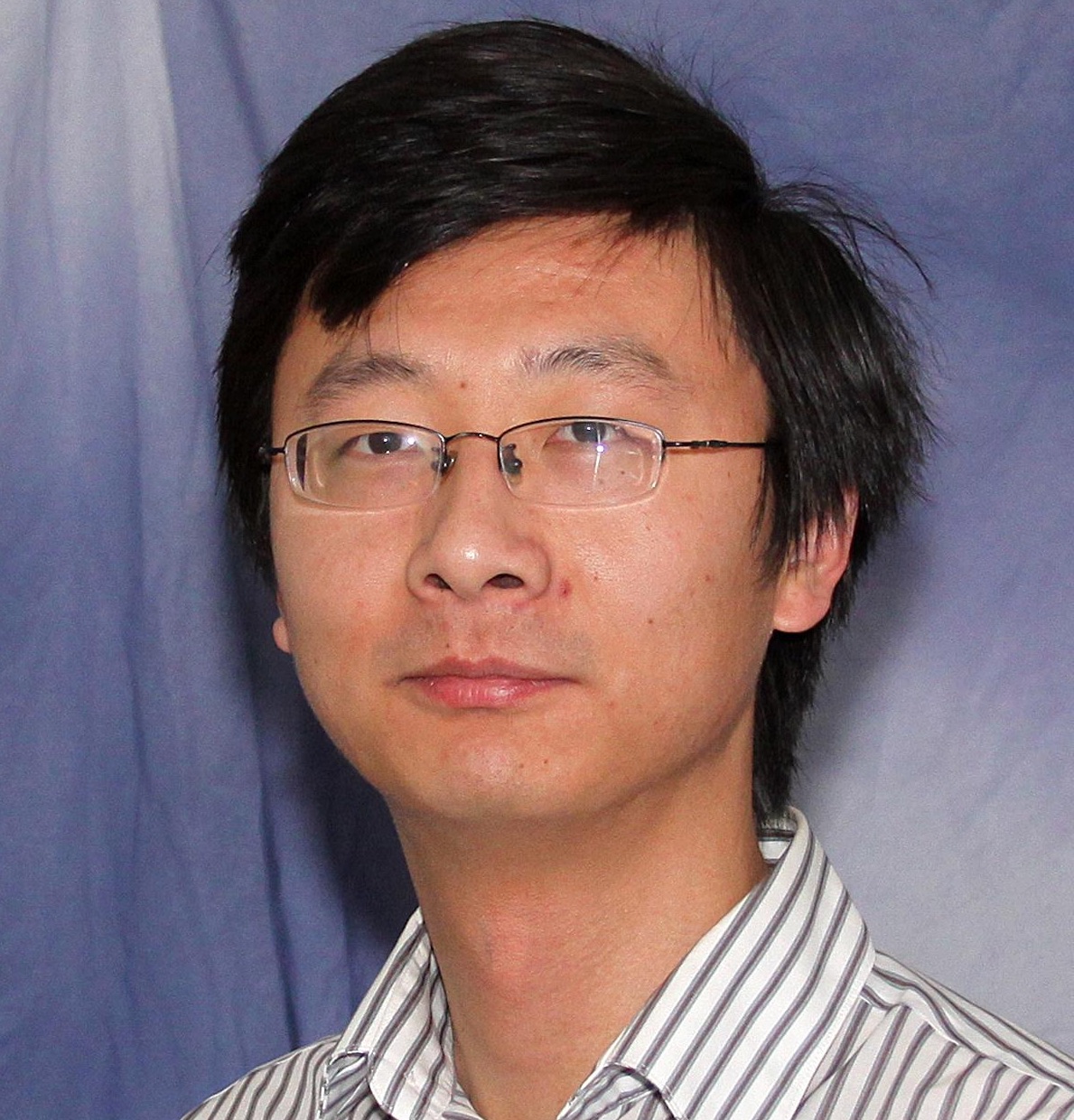 Ruijiang Li, Ph.D. Associate Professor Stanford UniversityDr. Ruijiang Li is an Associate Professor of Radiation Oncology at Stanford University School of Medicine. He is also a faculty member of Stanford Institute of Human-Centered Artificial Intelligence and Stanford Cancer Institute. Dr. Li’s research is focused on translational AI for precision oncology. Specifically, his group develops multimodal foundation models that integrate histopathology with spatial transcriptomics and spatial proteomics, including multiplexed immunofluorescence imaging. They leverage these foundation models to develop digital pathology and imaging-based biomarkers for predicting therapeutic response and patient outcomes. Dr. Li’s research has been published in multidisciplinary scientific journals including Nature, Nature Medicine, Nature Machine Intelligence, Nature Communications, Cell Reports Medicine as well as high-impact medical journals including Journal of Clinical Oncology, Annals of Oncology, NEJM AI, Lancet Digital Health, JAMA Oncology.
Dr. Li’s research has been continuously funded by the NIH and NCI during the past 10 years. He is the Principal Investigator on a total of 7 NIH R01 grants (6 from NCI) and has served on more than 10 NIH study sections and grant review panels. Dr. Li has received nationally recognized awards, including the NIH Pathway to Independence Award and ASTRO Clinical/Basic Science Research Award.
-
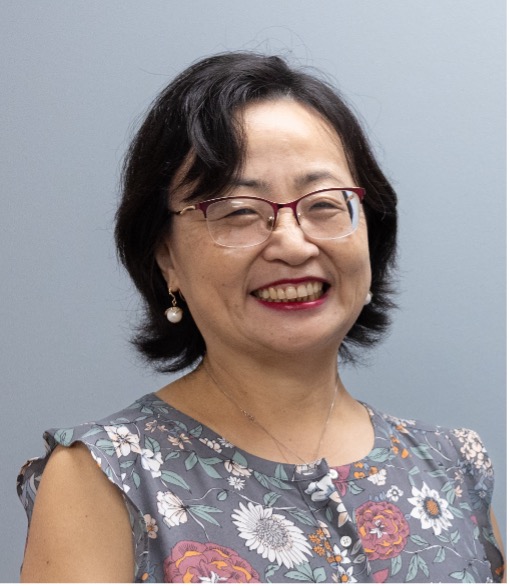 Hongfang Liu, Ph. D. D. Bradley McWilliams Chair, Professor The University of Texas Health Science Center at HoustonHongfang Liu, PhD, is a Professor at McWilliams School of Biomedical Informatics and serves as Vice President of Learning Health System at UTHealth Houston. She leads the research in the Center for Translational AI Excellence and Applications in Medicine (TEAM-AI). She has a broad range of informatics expertise, including artificial intelligence and informatics in healthcare, computational biology and bioinformatics, and biomedical data science. Her research has been recognized through several awards, including the NSF CAREER Award for biomedical text mining, the NCATS Innovation Award for open health natural language processing, the AMIA Donald Lindberg Award in Informatics Innovation for context-aware artificial intelligence, and the CPRIT Established Investigator Recruitment Award. Dr. Liu’s research accomplishments have been recently featured in Mayo Clinic Advancing The Science, a CTSA Blog, and at UTHealth Houston. She has been active in several professional organizations, including AMIA, IEEE, and ACM, and is currently a fellow in ACMI and IAHSI.
Dr. Liu would like to focus her research on advancing translational science and bringing novel health data science, informatics, and AI solutions to empower real-world data-driven research. She would like to develop those tools and resources under the “RITE-FAIR” principle (reproducible, implementable, transparent, and explainable – findable, accessible, interoperable, and reusable). “It is a critical time for researchers and scientists in the space of health data science, artificial intelligence, and informatics giving the huge potential of leveraging real-world data to advance biomedical science and transform health care.” However, she emphasizes that “such potential heavily depends on our ability to ensure scientific rigor, ethical, transparent to advance data-driven science and achieve better health for everyone through people-centric and value-based innovations”.
-
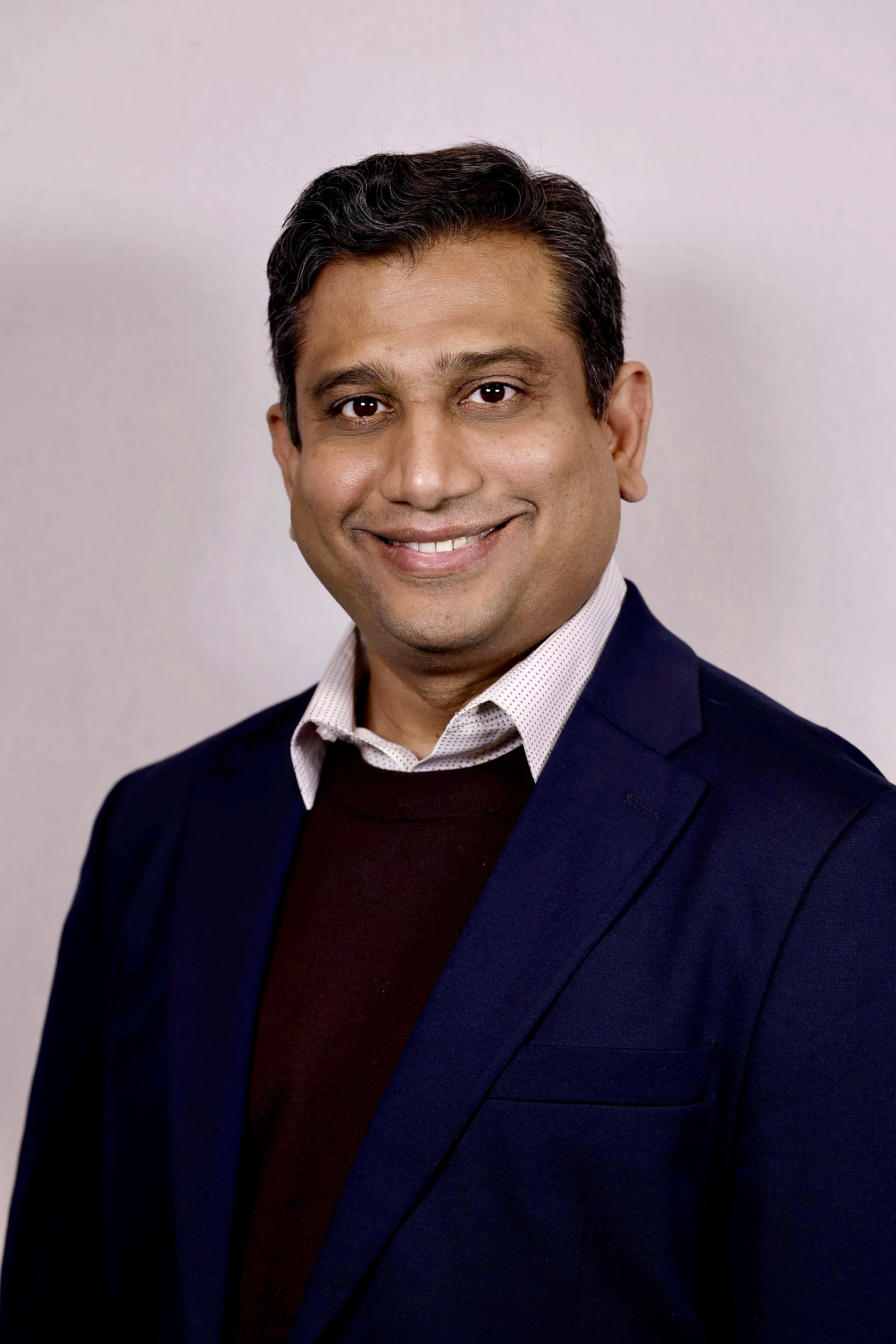 Ravi K Madduri, MS madduri@anl.gov Senior Scientist Argonne National LaboratoryRavi is a senior computer scientist working in the intersection of HPC/AI and biomedicine. His research interests are in building sustainable, scalable services for science, reproducible research, large-scale data management, analysis using HPC and AI. He leads the PALISADE-X project that is developing Privacy-preserving Federated Learning framework to build robust, trust-worthy AI models. He co-leads the MVP-CHAMPION project, which is a collaboration between VA and DOE and develops methods to perform large-scale genetic data analysis using DOE’s high performance computing capabilities, including methods for generating PRS scores in Prostate Cancer, genome-wide PheWAS on Summit supercomputer. Additionally, Ravi served as MPI for an NHGRI R01 on creating a cloud service for large-scale genomics analysis and was one of three key contributors to the National Institutes of Health $100M Cancer Biomedical Informatics Grid (caBIG), which linked 60 NIH-funded cancer centers and clinical sites engaged in cancer research. For his efforts in project management, tool development, and collaboration, Ravi received several Outstanding Achievement Awards from NIH. For his work on “Cancer Moonshot” project, he received the Department of Energy Secretary award in 2017.
 -
 Samyukta Mullangi, M.D., M.B.A. Vice President of Clinical Strategy OpenEvidenceSam is VP of clinical strategy at OpenEvidence, an AI startup helping physicians make high-stakes clinical decisions at the point of care. Previously, she served as senior medical director at Thyme Care, a population health company in cancer aiming to further the transition from fee-for-service to value-based care, and improve patient journeys in the process. She is also a practicing medical oncologist at Tennessee Oncology, and the current president of the Tennessee Oncology Practice Society - the state's oncology professional association. In 2025, TOPS successfully led a bill in the state legislature that eliminated step-therapy requirements for patients with metastatic cancer. She has a special interest in health policy, specialty pharmacy, and care delivery innovation. She trained at the University of Michigan and Memorial Sloan Kettering, and received an MD-MBA from Harvard.
 -
 Jihad Obeid, MD jobeid@musc.edu Professor Medical University of South CarolinaDr. Obeid is a Professor and SmartState Endowed Chair in Biomedical Informatics in the Department of Public Health Sciences at the Medical University of South Carolina (MUSC) where he serves as Assistant Vice President for Research on AI Strategy and Research Intelligence. Dr. Obeid is a pediatrician who was formally trained in Medical Informatics at the Division of Health Sciences and Technology, a joint Harvard-MIT fellowship program.
During his tenure at MUSC, he led the development of several academic and operational research informatics initiatives including the electronic health records (EHR) Research Data Warehouse (RDW), REDCap, and many others. He has served as principal investigator, co-investigator, and informatics leader on numerous federally funded projects. At the national level, he led several working groups related to translational research informatics.
His research interests include artificial intelligence (AI), specifically, deep learning and large language models applications using EHR data for e-phenotyping and predictive modeling with focus on clinical text mining. Other research interests include natural language processing (NLP), electronic consents, secondary use of EHR data/data warehousing, and biomedical ontologies.
Dr. Obeid is the co-founder of the AI Hub at MUSC. He also serves as the director of the Cancer Integrated Data Enabled Resource (CIDER), which integrates a variety of multimodal data, and provides several services to researchers including, consultations, feasibility queries, brokered access to integrated data, and AI and NLP research services. He is the founder and director of two courses in Biomedical Informatics (MCR-746: Informatics and Data Management for Clinical Research and BDSI-712: Translational Informatics).
-
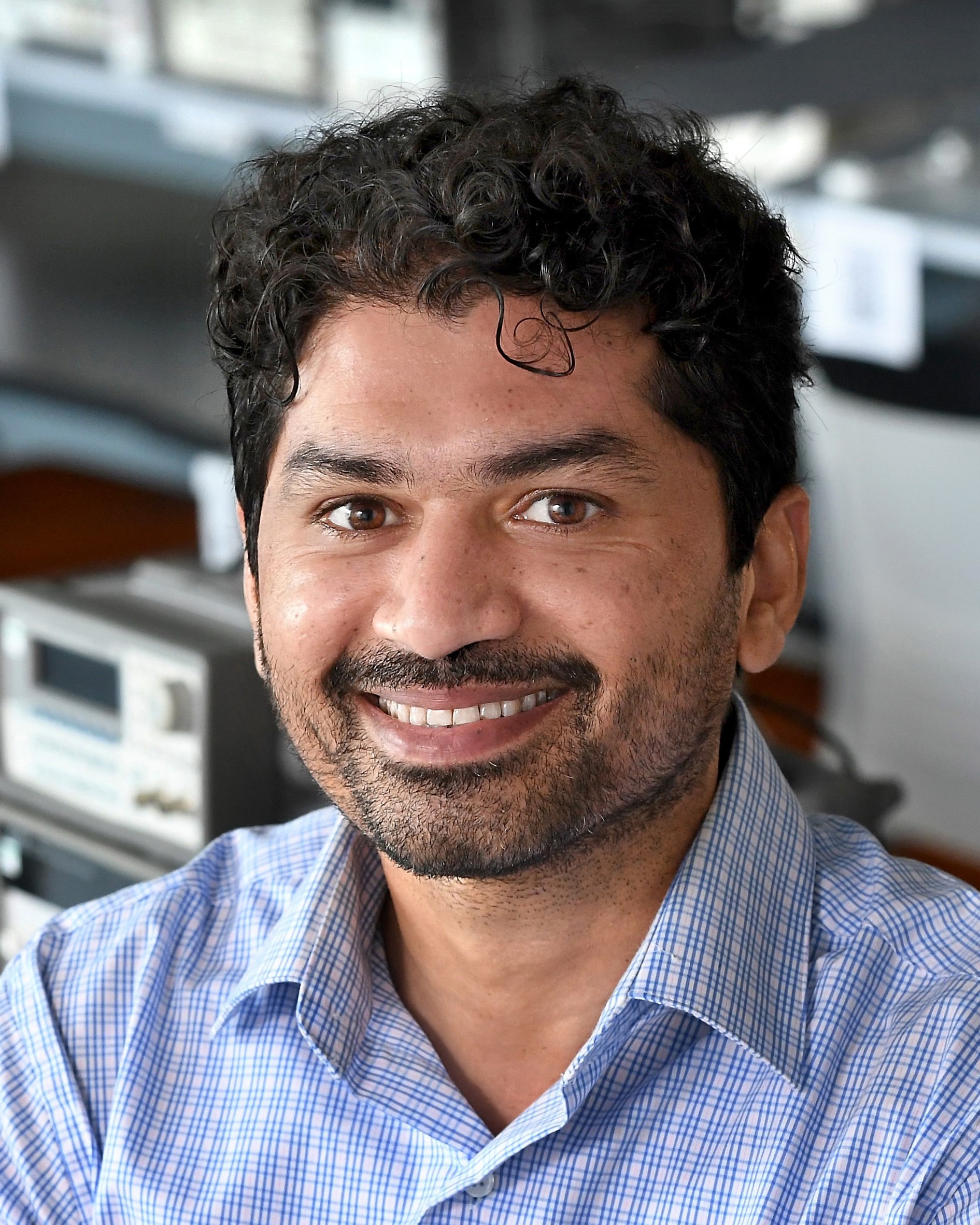 Ghulam Rasool, Ph.D. Assistant Member Moffitt Cancer CenterDr. Ghulam Rasool is an Assistant Member in the Departments of Machine Learning, Neuro-Oncology, and Diagnostic Imaging & Interventional Radiology at the H. Lee Moffitt Cancer Center & Research Institute in Tampa, Florida, where he leads a research program focused on trustworthy multimodal artificial intelligence in oncology. He also serves as an Assistant Professor in the Department of Oncologic Sciences at the Morsani College of Medicine and as a Courtesy Assistant Professor in the Department of Electrical Engineering at the University of South Florida.
Dr. Rasool’s research spans multimodal machine learning, computer vision, natural language processing, and large language models for clinical translation. His team develops AI-driven diagnostic and prognostic tools that integrate radiology, pathology, clinical, and molecular data to advance precision cancer care. A central focus of his work is federated learning, which enables institutions to collaboratively train high-performance models without sharing sensitive patient data, thereby protecting privacy while overcoming barriers to accessing real-world data. His group also develops multimodal biomarkers for the early detection of cancer cachexia and pancreatic cancer, as well as automated information-extraction systems that streamline cancer informatics, clinical documentation, and registry workflows.
His research program is supported by the National Institutes of Health, the National Science Foundation, the Florida Department of Health, and institutional and industry partnerships, and his work has been presented at national and international venues, including AACR, RSNA, ASTRO, SIIM, SABI, Pathology Visions, USCAP, AMIA, SNO and NVIDIA GTC. Dr. Rasool was recognized as the 2024 Junior Researcher of the Year in Quantitative Science at Moffitt Cancer Center.
Dr. Rasool received his Ph.D. in Systems Engineering from the University of Arkansas at Little Rock and completed postdoctoral training at the Rehabilitation Institute of Chicago and Northwestern University.
-
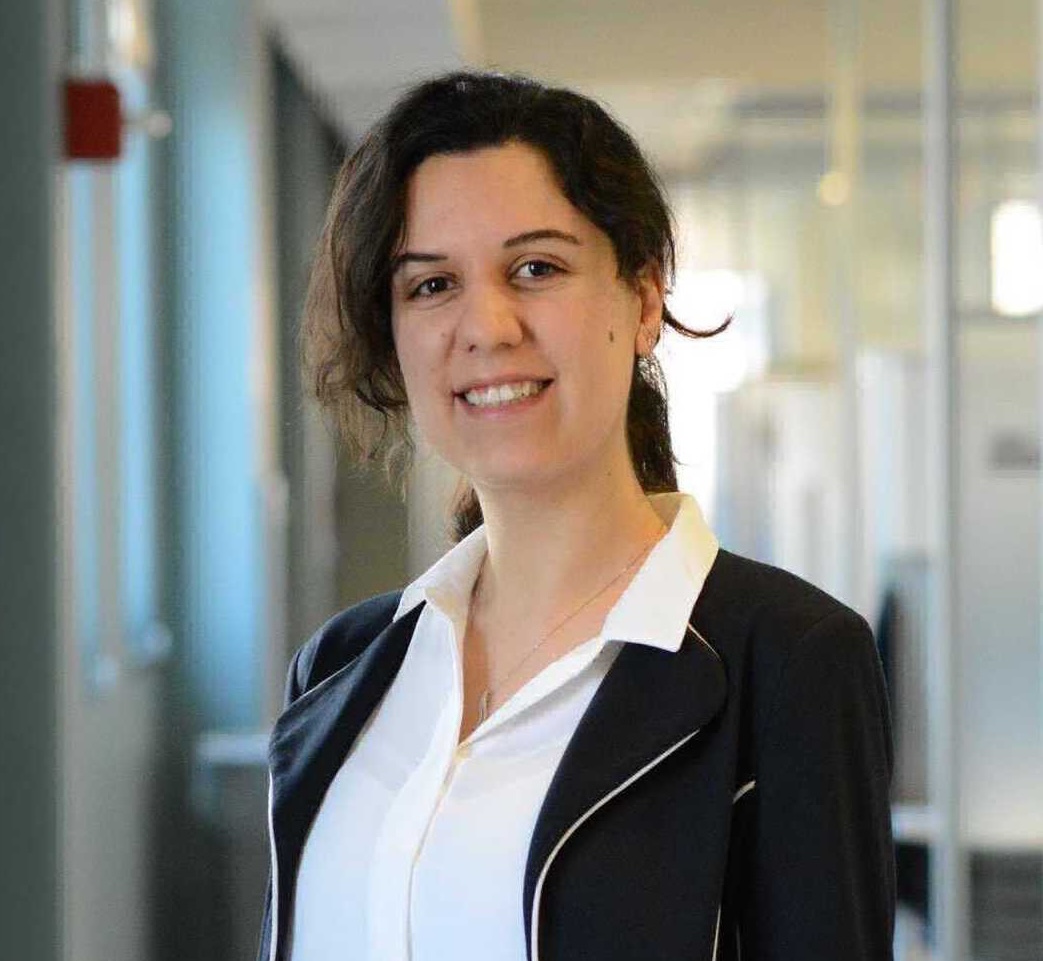 Narges Razavian, Ph.D. narges.razavian@nyulangone.org Assistant Professor NYU Langone HealthNarges Razavian, PhD, is an Assistant Professor in the Departments of Population Health and Radiology at NYU Langone Health, and a core member of the Center for Healthcare Innovation and Delivery Sciences and the Predictive Analytics Unit. Her research program sits at the intersection of machine learning, clinical AI, and large-scale biomedical data, with a clear and deliberate focus on clinical translation.
Dr. Razavian leads a multidisciplinary lab advancing foundation models, multimodal learning, agentic framework, and self-supervised learning for medicine across imaging, EHR, and multimodal data. Her group develops methods that bridge algorithmic innovation with real-world clinical deployment, with work spanning brain MRI and head CT, lung histopathology, pancreatic cancer, neurology and Alzheimer’s disease, cardiometabolic disease, and large-scale population health analytics.
Her research has been highly cited in both the clinical and machine learning communities, including influential contributions to structured EHR-GPT foundation modeling, Foundation modeling for multimodal large scale clinical data, with publications in Nature Medicine, NEJM AI, Nature Digital Medicine, and major machine learning venues such as NeurIPS, ICML, CVPR, among others. Her lab frequently collaborates with NYU Langone’s Alzheimer’s Disease Research Center, various Brain MRI and Neuroradiology groups, the Pancreatic Cancer early detection program, Lung Pathology and Oncology teams, Hospital Medicine, and multiple clinical service lines.
Before joining NYU Langone, Dr. Razavian completed her postdoctoral training in NYU’s CILVR Lab at the Courant Institute—one of the world’s leading groups in machine learning—where she worked on early deep learning for medical data. She earned her PhD in Computational Biology at Carnegie Mellon University, conducting foundational work on large-scale biological data modeling. -
 Eric Schadt, Ph.D. Chairman and Professor, Department of Genetics and Genomic Sciences Icahn School of Medicine at Mount SinaiEric joined the Icahn School of Medicine as Chairman and Professor, Department of Genetics and Genomic Sciences and as the founding Director of the Icahn Institute for Genomics and Multiscale Biology in 2012, and based on advances made during that time, in June 2017 he spun a large part of my Mount Sinai efforts into Sema4, a next generation health information company enabling physicians and patients with state of the art genomics tests and interpretations driven by advanced machine learning approaches that leverage the digital universe of data to better prevent, diagnose, and treat disease. I was previously the Chief Scientific Officer at Pacific Biosciences, overseeing the scientific strategy for the company, including creating the vision for next-generation sequencing applications of the company’s technology. He was also a founding member of Sage Bionetworks, an open access genomics initiative designed to build and support databases and an accessible platform for creating innovative, dynamic models of disease. His most recent efforts at Pathos center on the generation and integration of large-scale, high-dimension molecular, cellular, and clinical data to build more predictive models of cancer that in turn drive drug discovery and development efforts, towards precision medicine strategies that better ensure the right patient is delivered the right drug at the right time. These efforts were motivated by the genomics and systems biology research he led at Merck/Rosetta to elucidate common human diseases and drug response using novel computational approaches applied to genetic and molecular profiling data. Eric is one of the very few who has effectively bridged between academia and industry throughout his career, with an h-index of 163 and having started companies from scratch, including one that he led through being publicly traded on the NASDAQ exchange.
 -
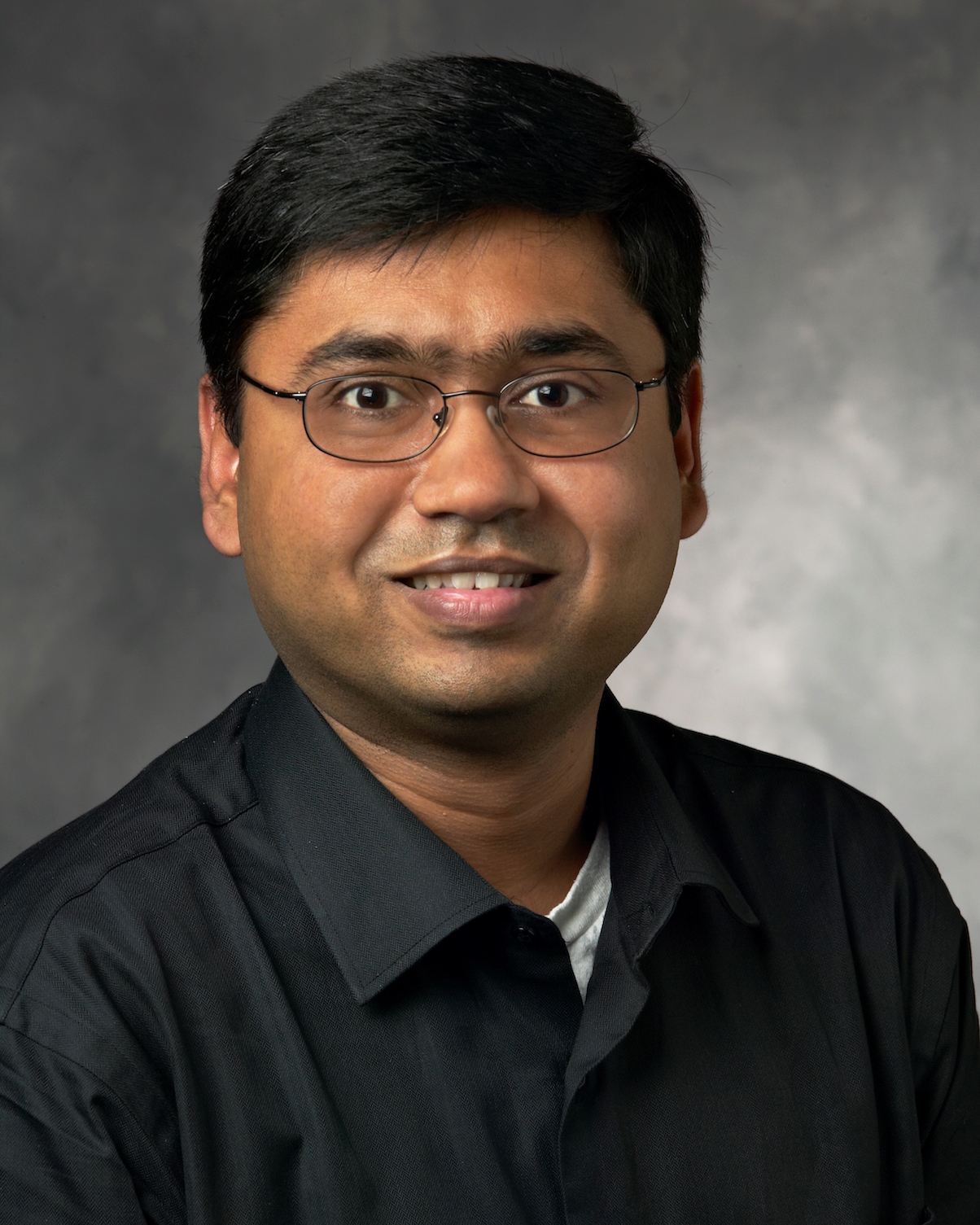 Nigam Shah, MBBS, PhD. Professor of Medicine & Chief Data Scientist Stanford University & Stanford Health CareDr. Nigam Shah is Professor of Medicine at Stanford University, and Chief Data Scientist for Stanford Health Care. His research is focused on bringing AI into clinical use, safely, ethically and cost-effectively. Dr. Shah is an inventor on eight patents, has authored over 300 scientific publications, and has co-founded three companies. Dr. Shah was inducted into the American College of Medical Informatics (ACMI) in 2015 and the American Society for Clinical Investigation (ASCI) in 2016. He holds an MBBS from Baroda Medical College, India, a PhD from Penn State University and completed postdoctoral training at Stanford University.
 -
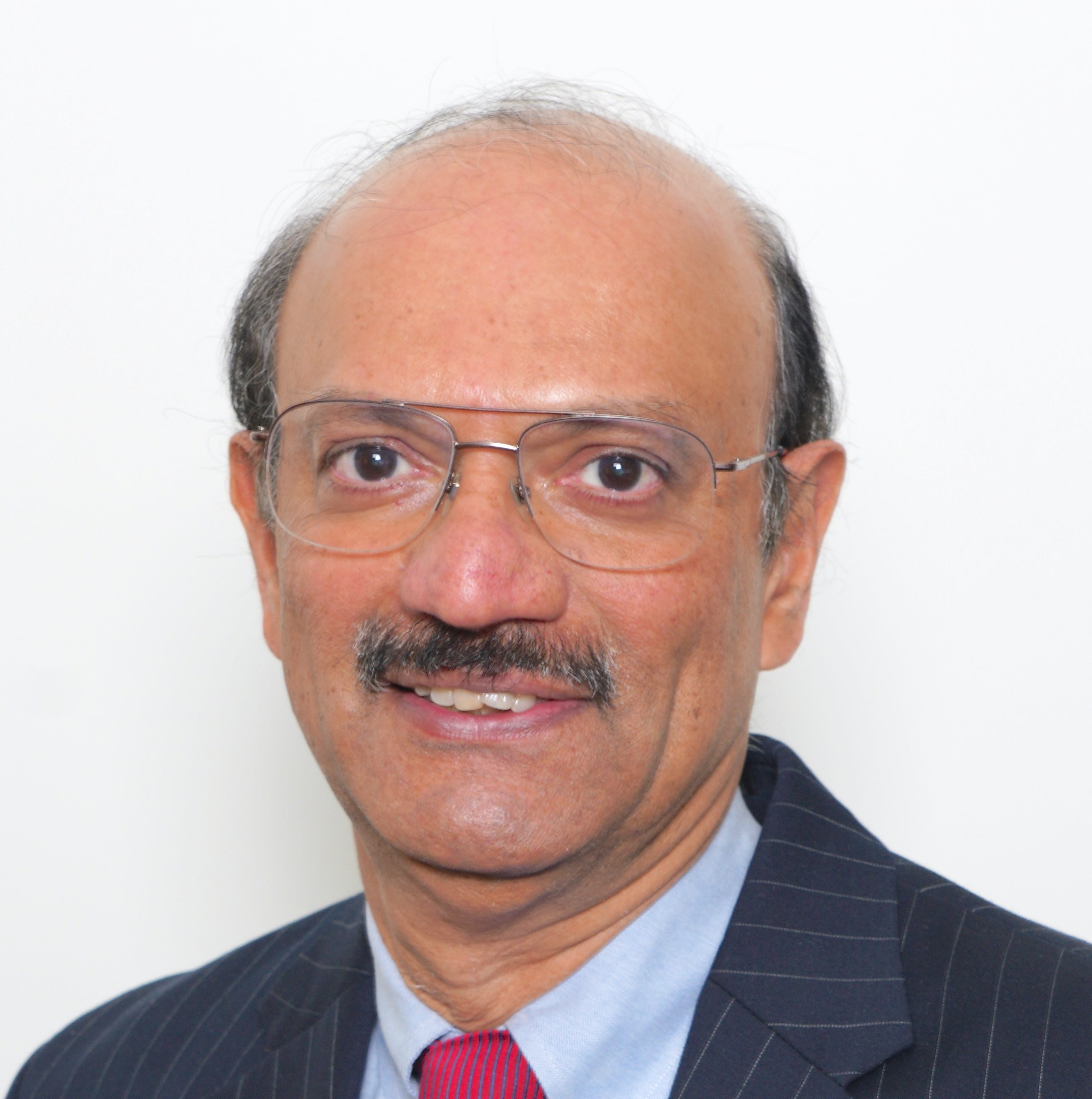 Ram D. Sriram, Ph.D. Chief, Software and Systems Division, ITL NIST National Institute of Standards and TechnologyRam D. Sriram is currently the chief of the Software and Systems Division, Information Technology Laboratory (ITL), at the National Institute of Standards and Technology. He also serves as the program manager for ITL’s Health IT program. Before joining the Software and Systems Division, Sriram was the leader of the Design and Process group in the Manufacturing Systems Integration Division, Manufacturing Engineering Laboratory, where he conducted research on standards for interoperability of computer-aided design systems. Prior to joining NIST, he was on the engineering faculty (1986-1994) at the Massachusetts Institute of Technology (MIT) and was instrumental in setting up the Intelligent Engineering Systems Laboratory. Sriram has co-authored or authored more than 300 publications, including several books. Sriram was a founding co-editor of the International Journal for AI in Engineering. His current research interests are in the applications of AI in Health Care and Manufacturing. For his contributions over the past four decades Ram received many awards, including five life time achievement/pioneer awards and a distinguished alumnus award from IIT Madras, India. He has also been made a fellow of prominent engineering (ASME, IET, INCOSE, SME, SMA), computer science (ACM, AIAA, IEEE), medical (AIMBE), and science (AAAS, WAS) societies.He is also a senior member of AAAI. In 2023, Sriram was elected as an honorary member of the Institute of Industrial and Systems Engineers – the highest honor IISE grants to an individual of acknowledged professional eminence who is not a member of IISE. Sriram has a B.Tech. from IIT, Madras, India, and an M.S. and a Ph.D. from Carnegie Mellon University, Pittsburgh, USA.
-
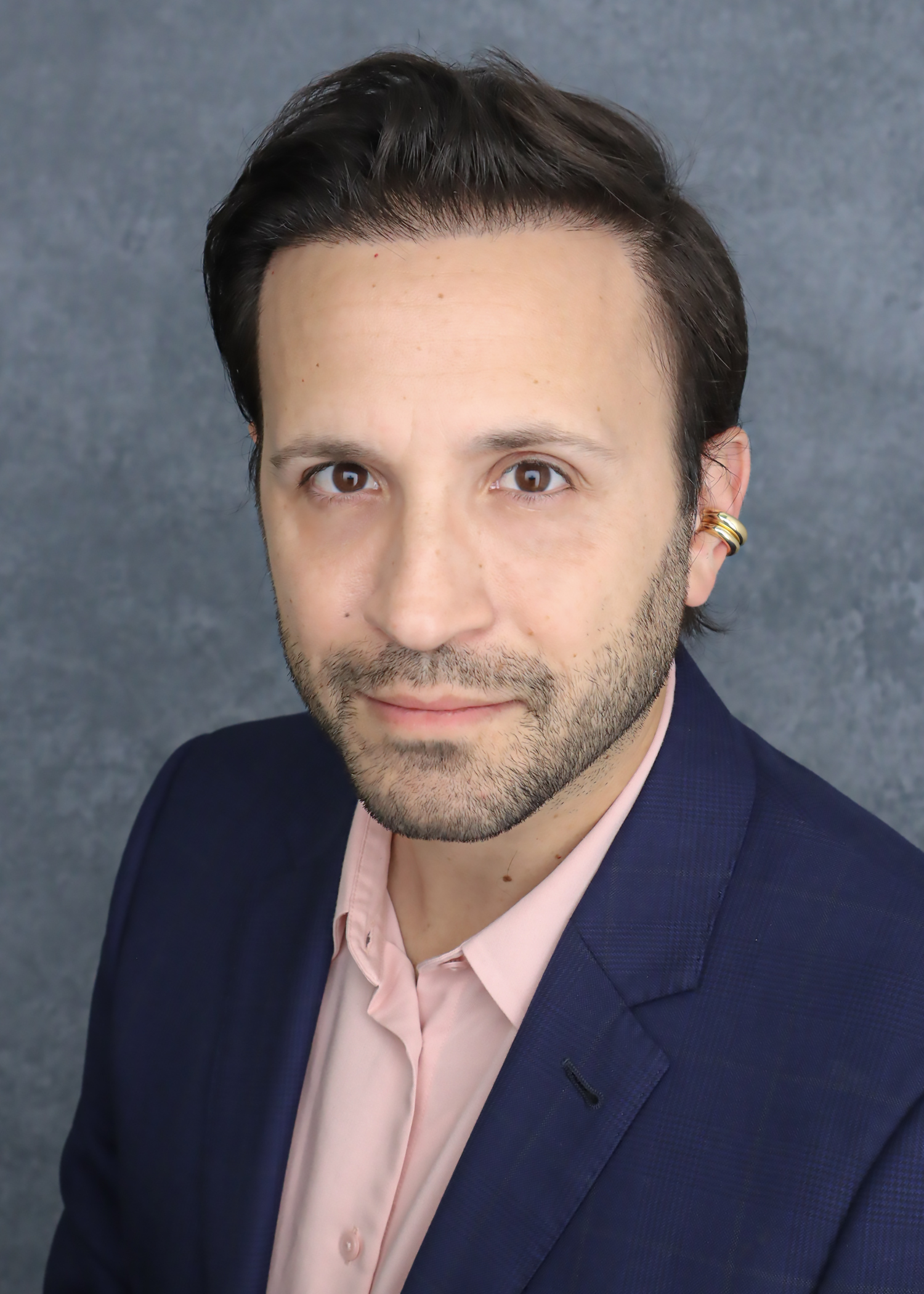 Nicholas Tatonetti, Ph.D. nicholas.tatonetti@cshs.org Professor of Computational Biomedicine, Vice Chair, Operations, Department of Computational Biomedicine Cedars Sinai Medical CenterDr. Nicholas Tatonetti is Vice Chair of Operations in the Department of Computational Biomedicine and Associate Director of Computational Oncology in the Cancer Center at Cedars-Sinai Medical Center. He received his PhD from Stanford University where he focused on the development of novel statistical and computational methods for observational data mining. Over the past 14 years, he has applied these methods to drug safety surveillance and the discovery of dangerous adverse drug effects and has identified and validated previously unknown serious drug-drug interactions. His lab at Cedars-Sinai is focused on using massive-scale real clinical and molecular data for making robust and validated scientific discoveries, with a particular focus on detecting, explaining, and validating drug effects and drug interactions. Dr. Tatonetti has published over 180 peer-reviewed scientific publications across medicine, systems biology, machine learning, and bioinformatics. He is passionate about the integration of real-world data (such as those stored in the electronic health records) and high-dimensional biological data (captured using next-generation sequencing, high-throughput screening, and other "omics" technologies) to reimagine and rescale the scientific method.
 -
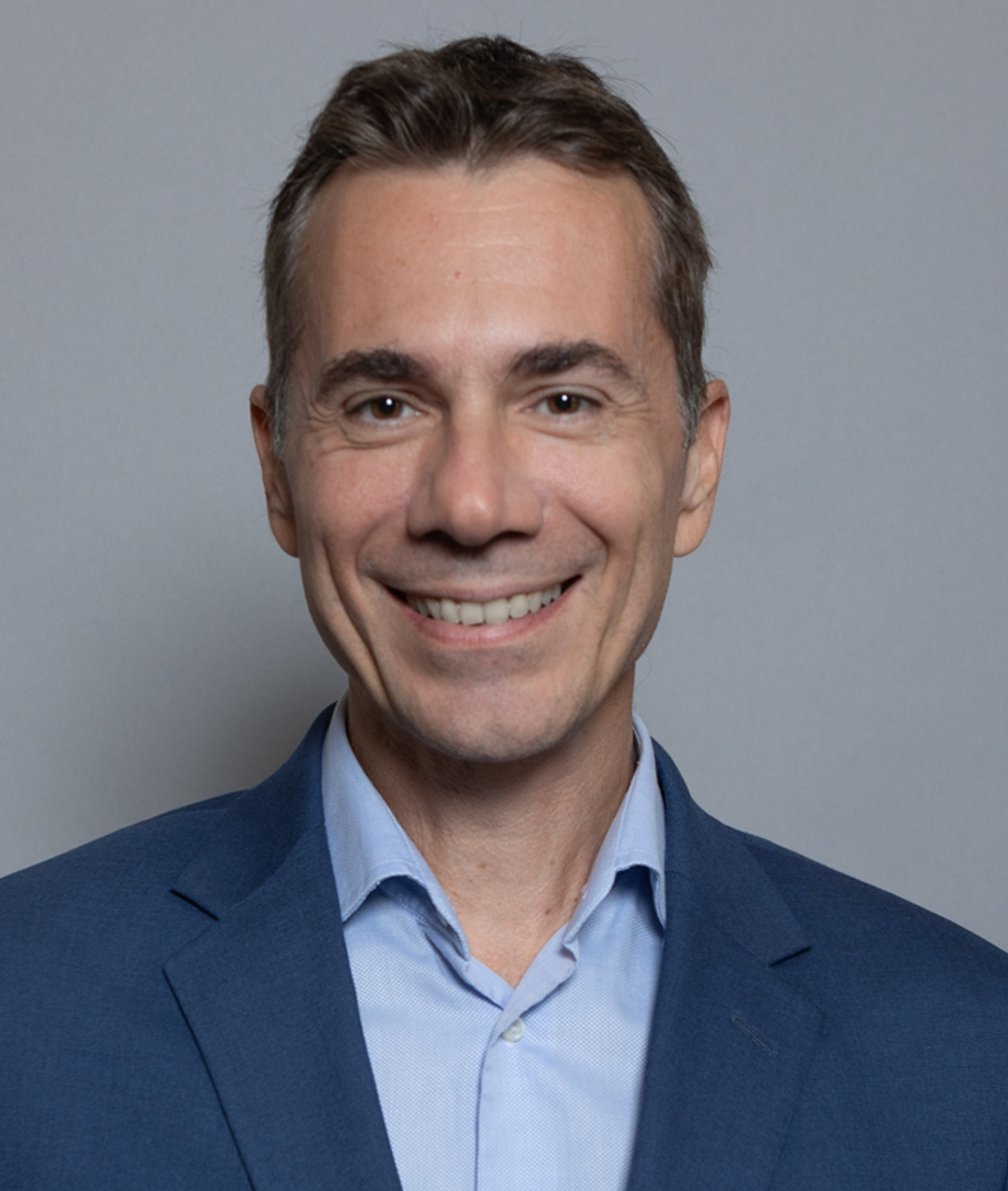 Aristotelis Tsirigos, Ph.D. aristotelis.tsirigos@nyulangone.org Professor NYU School of MedicineDr. Aristotelis Tsirigos is a Professor of Medicine and Pathology at the NYU Grossman School of Medicine, where he serves as Co-Director of the Precision Medicine Division and Director of the Applied Bioinformatics Laboratories. With over 20 years of experience in genomics and machine learning, including roles at NYU and IBM Research, Dr. Tsirigos leads pioneering efforts in precision medicine and computational biology. He directs a multidisciplinary team of computational biologists, data scientists, and trainees with a mission to revolutionize the understanding, diagnosis, and treatment of diseases and improve patient care. By leveraging big data and AI/ML, his team integrates insights from four key data modalities: electronic health records (EHR), medical imaging (radiology and pathology), multi-omic profiling (genomics, epigenomics, transcriptomics, and proteomics), and real-time health metrics from wearable devices. Their research has driven transformative advances in cancer diagnostics, including the development of FDA- and NYS-approved molecular assays for precision oncology. Dr. Tsirigos’s research encompasses computational pathology, cancer epigenetics, and gene regulation modeling using single-cell and spatial multi-omics. He has made groundbreaking contributions to understanding relapse and resistance in acute leukemias by integrating multi-omic and 3D genomic data into comprehensive disease models. An author of over 200 high-impact publications, Dr. Tsirigos has made significant contributions in cancer genomics, single-cell transcriptomics, and AI-driven diagnostics. His vision is to harness cutting-edge technology and data to deliver personalized and effective healthcare solutions, transforming clinical practice and improving patient outcomes.
 -
 Chad M Vanderbilt, M.D. vanderbc@mskcc.org Assistant Attending Memorial Sloan Kettering Cancer CenterDr. Chad Vanderbilt is a physician–scientist and Assistant Attending Pathologist in the Department of Pathology and Laboratory Medicine at MSKCC, where he practices as a board-certified molecular pathologist and leads several institutional initiatives in computational pathology and AI-driven diagnostics. His clinical work spans next-generation sequencing interpretation, biomarker development, and precision oncology, with a focus on integrating genomic, histologic, and digital data streams into routine patient care. Dr. Vanderbilt’s research centers on building and validating pathology foundation models that address clinically meaningful diagnostic challenges and integrating them into clinical work flows. He leads MSKCC’s major efforts to translate these models into actionable, laboratory-ready tools, including EAGLE, an EGFR mutation prediction system for lung adenocarcinoma (Nat Med 2025); TAPFM, a pathology foundation model adaptation framework recently described at NeurIPS (2025); and multiple pipelines for whole-slide image analysis, prognostic modeling, and molecular-class prediction. His group develops GPU-efficient fine-tuning strategies, tumor microenvironment focused self-supervised learning, interpretable attention mechanisms, and workflows that pair microscopy with genomics and survival data at institutional scale—always with a focus on clinical viability, reproducibility, and regulatory alignment. He is also the clinical lead organizer of the Cancer Pathology Foundation Models (SLC-PFM) Competition at NeurIPS 2025, a global benchmarking initiative involving more than 40 institutions. This effort establishes rigorous evaluation standards for self-supervised learning in pathology and advances the field toward models that are robust, equitable, and clinically deployable.
 -
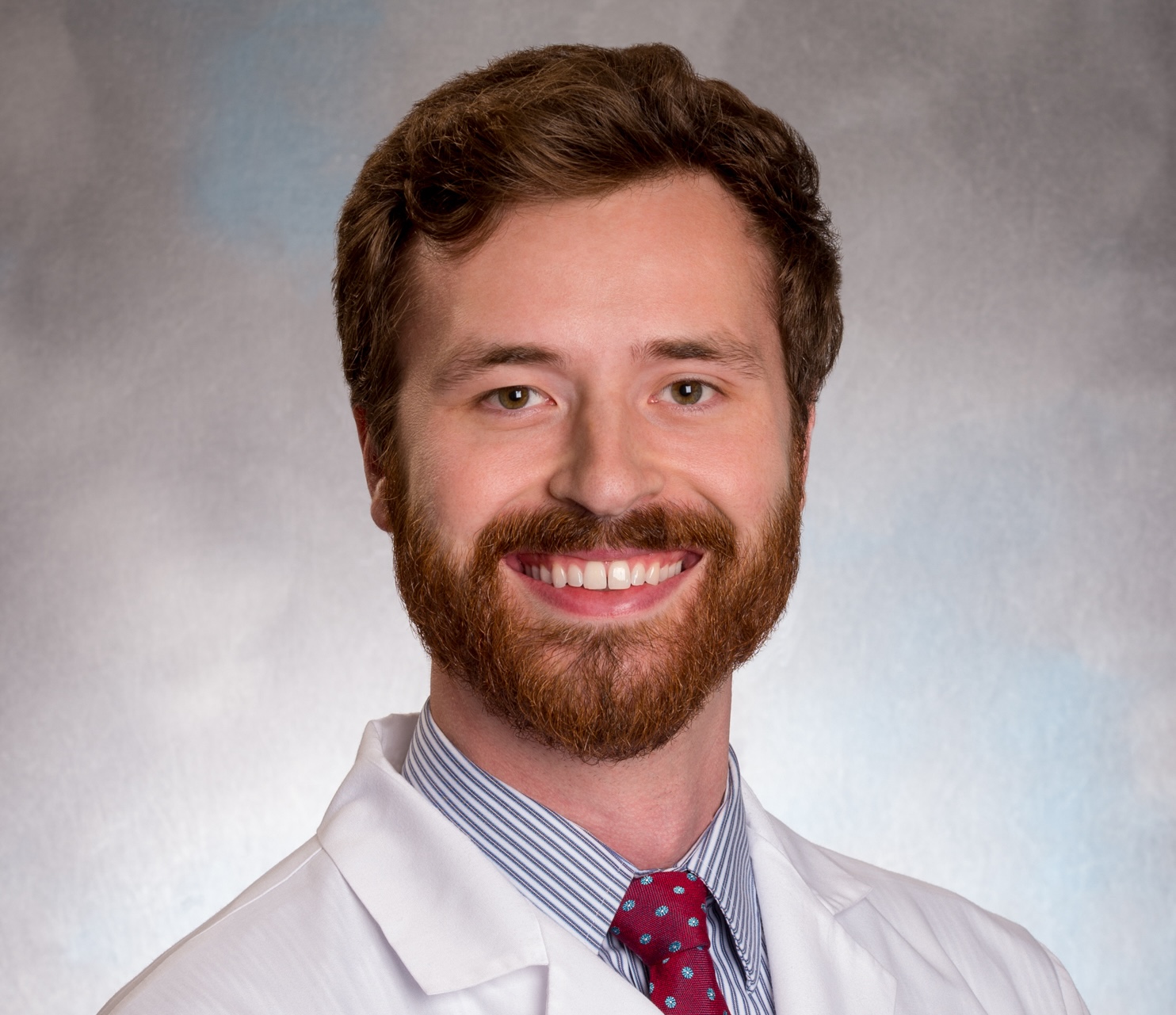 Drew Williamson, M.D. drew.williamson@emory.edu Assistant Professor Emory University School of Medicine, Department of Pathology & Laboratory MedicineDrew Williamson, MD is an Assistant Professor in the Department of Pathology & Laboratory Medicine at Emory University School of Medicine. He trained in Anatomic Pathology, Molecular Genetic Pathology, and Clinical Informatics at Mass General Brigham and completed a postdoctoral fellowship in the lab of Faisal Mahmood, PhD at Brigham & Women’s Hospital and Harvard Medical School. He leads a research lab at Emory which focuses on the application of deep learning to pathology data, from histology images to genomics to natural language.
 -
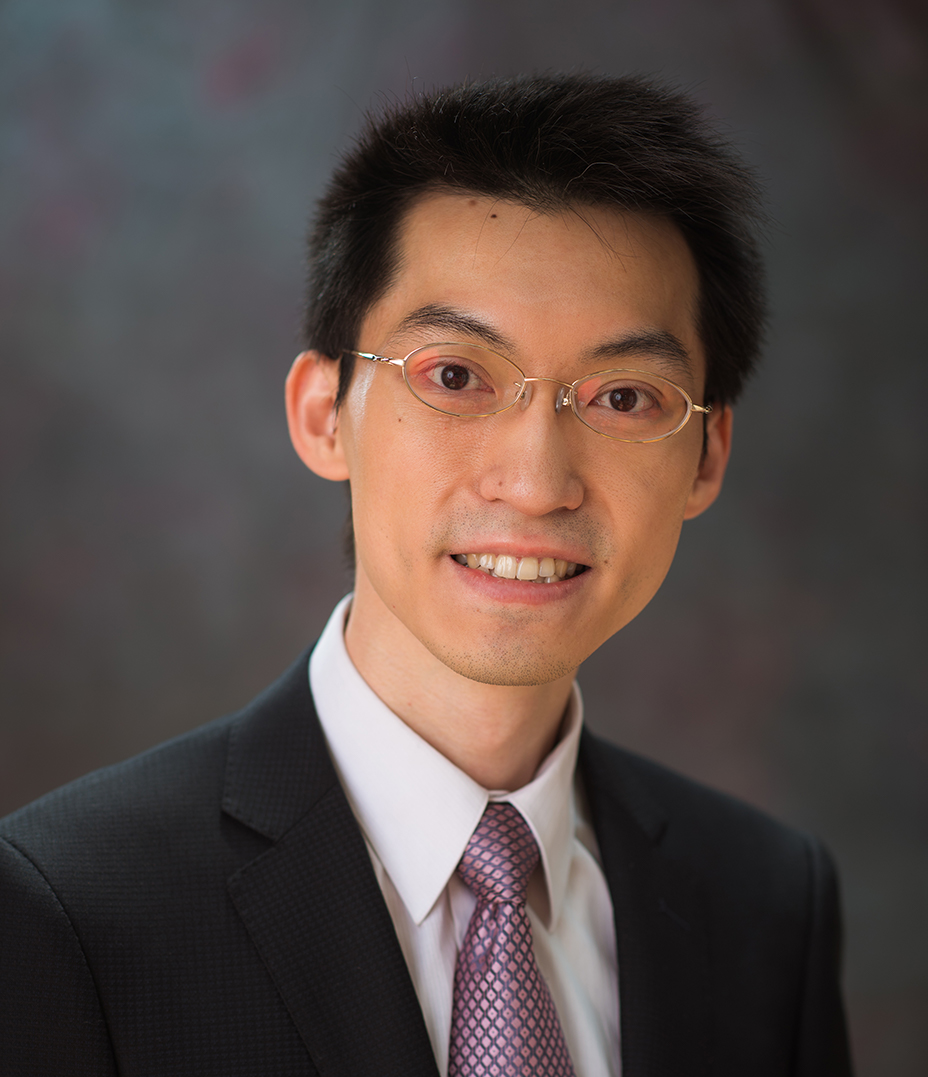 Kun-Hsing Yu, M.D., Ph.D. Associate Professor Harvard Medical SchoolKun-Hsing “Kun” Yu, M.D., Ph.D., is an Associate Professor in the Department of Biomedical Informatics at Harvard Medical School. He pioneered the first fully automated artificial intelligence (AI) algorithm capable of extracting thousands of features from whole-slide pathology images. His research has uncovered molecular mechanisms driving the microscopic phenotypes of tumor cells and identified novel cellular morphologies that predict patient prognosis.
Dr. Yu’s lab integrates multi-omics (e.g., genomics, epigenomics, transcriptomics, and proteomics) profiles with quantitative pathology patterns to predict clinical phenotypes in cancer patients. The AI methods developed by the Yu Lab have been independently validated by over 200 research laboratories worldwide.
His contributions to AI in pathology have earned numerous honors, including the National Institutes of Health (NIH) Maximizing Investigators’ Research Award, Google Research Scholar Award, American Medical Informatics Association New Investigator Award, Harvard Medical School Dean’s Innovation Award, Department of Defense (DoD) Career Development Award, and the American Cancer Society (ACS) Research Scholar Award. He is a Fellow of the American Medical Informatics Association (FAMIA).
-
 Marinka M Zitnik, Ph.D. Associate Professor of Biomedical Informatics Harvard Medical SchoolMarinka Zitnik (https://zitniklab.hms.harvard.edu) is an Associate Professor of Biomedical Informatics at Harvard Medical School, Associate Faculty at Kempner Institute for the Study of Natural and Artificial Intelligence at Harvard University, and Associate Member at Broad Institute of MIT and Harvard. Zitnik investigates foundations of AI that contribute to the scientific understanding of medicine and therapeutic design, eventually enabling AI to learn and innovate on its own. Her research won best paper and research awards, including the Kavli Fellowship of the National Academy of Sciences, Kaneb Fellowship award at Harvard Medical School, NSF CAREER Award, awards from the International Society for Computational Biology, International Conference in Machine Learning, Bayer Early Excellence in Science, Amazon Faculty Research, Google Faculty Research, Roche Alliance with Distinguished Scientists, and Sanofi iDEA-iTECH Award. Zitnik founded Therapeutics Data Commons, a global open-science initiative to access and evaluate AI across stages of development and therapeutic modalities, and she served as the faculty lead of the AI4Science initiative.