
Translating Biomolecular Condensates in Cancer: From Discovery to Clinical Application (Speaker Bios)
-
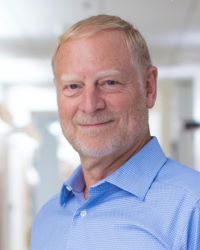 Richard A Young, Ph.D. young@wi.mit.edu Professor Whitehead Institute/MITDr. Young is a Member of Whitehead Institute and a Professor of Biology at MIT. His laboratory investigates how cells operate in health and disease, using advanced technologies at the intersection of biology, chemistry and artificial intelligence. Young has trained over 125 predoctoral and postdoctoral students, many of whom play prominent roles in academic and commercial settings. He has founded and advised companies in the biotechnology and pharmaceutical industry, and currently serves on the boards of CAMP4 Therapeutics, Dewpoint Therapeutics, Paratus Sciences and Precede Biosciences. Young’s honors include Membership in the National Academy of Sciences and the National Academy of Medicine, and Scientific American has recognized him as one of the top 50 leaders in science, technology and business.
 -
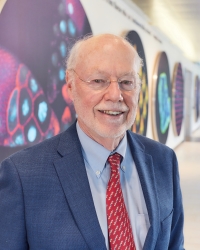 Phillip A Sharp, Ph.D. Institute Professor emeritus Massachusetts Institute of TechnologyPhillip A. Sharp is an Institute Professor emeritus at MIT and member of the Department of Biology and the Koch Institute for Integrative Cancer Research. His research interests have centered on the molecular biology of gene expression relevant to cancer and the mechanisms of RNA splicing. His work in 1977 provided the first indications of “discontinuous genes” in mammalian cells. This discovery fundamentally changed scientists’ understanding of gene structure and earned him the 1993 Nobel Prize in Physiology or Medicine. A native of Kentucky, Dr. Sharp earned a B.A. degree from Union College, Barbourville, KY, and a Ph.D. in chemistry from the University of Illinois, Champaign-Urbana. Dr. Sharp was a co-founder of Biogen (1978) and served as chair of its Scientific Advisory Board and member of the Board of Directors. He co-founded Alnylam Pharmaceuticals (2002) and serves on its Scientific Advisory Board.
Photo courtesy of Steve Boxall. -
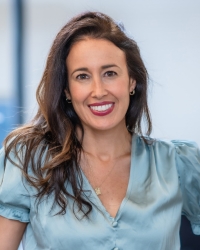 Cigall Kadoch, Ph.D. cigall_kadoch@dfci.harvard.edu Professor and Meredith and Billy Starr Investigator Dana-Farber Cancer InstituteCigall Kadoch, Ph.D., is an academic leader and entrepreneur in the biomedical sciences. She is a Professor and Meredith and Billy Starr Investigator of Pediatric Oncology at the Dana-Farber Cancer Institute, Institute Member and Epigenomics Program Co-Director at the Broad Institute, and an Investigator of the Howard Hughes Medical Institute (HHMI). Dr. Kadoch is a leading expert in chromatin and gene regulation and is internationally recognized for her groundbreaking studies in these areas. Specifically, her laboratory studies the structure and function of nuclear protein complexes called chromatin remodeling complexes that govern DNA architecture and gene expression, perturbations or dependencies in which are implicated in over 50% of human cancers. Dr. Kadoch is also the Scientific Founder of Foghorn Therapeutics (NASDAQ: FHTX), a company advancing a new class of medicines targeting chromatin regulatory machinery.
 -
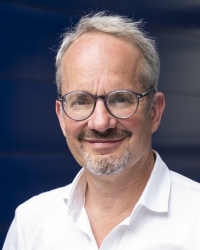 Anthony A Hyman, Ph.D. Director General European Molecular Biology LaboratoryProf. Dr. Anthony Hyman is Director General of the European Molecular Biology Laboratory. In 1984 he received his BSc first class in Zoology from the University College in London, where he had also been working as research Assistant in 1981. From 1985 to 1987 he wrote his PhD about “The establishment of division axes in early C.elegans embryos” under the supervision of Dr. John White at the Laboratory of Molecular Biology, MRC in Cambridge, England. After that he moved to San Francisco where he did his postdoctoral research in the lab of Prof. Tim Mitchison at the University of California investigating the mechanism of chromosome movement studied in vitro. 1993 he became Group Leader at the European Molecular Biology Laboratory in Heidelberg, before he moved to Dresden in 1999 as a founding director of the Max Planck Institute for Molecular Cell Biology and Genetics. He is best known for his work on the role of phase separation in formation of biological compartments.
 -
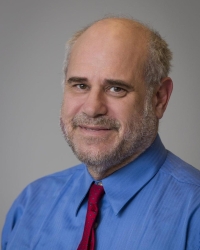 Dan Gallahan, Ph.D. gallahad@mail.nih.gov Director, Division of Cancer Biology National Cancer InstituteAs the Director for the NCI Division of Cancer Biology (DCB), Dr. Gallahan is part of the senior leadership team that helps NCI staff carry out its mission, especially in the area of basic cancer research. Through his leadership, he also helps DCB identify, enable, and promote impactful cancer biology research. Dr. Gallahan supports DCB Research Programs and also co-chairs an NIH Common Fund Program, "Human Virome Program."
Dr. Gallahan has enjoyed a long history with the NCI, initially as an intramural researcher focusing on the utilization of model systems to help understand the role of genetic alterations in breast cancer and the role of human papillomaviruses in cancer. He also spent time outside the government in private industry to explore the commercial and applied side of research, helping to establish a molecular diagnostic test. In the NCI extramural community, he has been responsible for the establishment of many important programs and scientific innovations having direct impact on new knowledge and cancer advances, such as the STAMP Out Breast Cancer Program, Innovative Molecular Analysis Technologies (IMAT) initiative, and the Integrative Cancer Biology Program (ICBP). In his relentless pursuit of innovation and desire for a better understanding of cancer, he has worked both at an individual level and at an organizational level, advancing quickly to become the Deputy Director of DCB and, following an international search, becoming the Director of the division in 2019. -
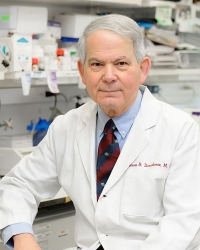 James H. Doroshow, M.D. doroshoj@mail.nih.gov Director, Division of Cancer Treatment and Diagnosis National Cancer InstituteDr. James H. Doroshow has served as the Director of the Division of Cancer Treatment and Diagnosis (DCTD) since 2004. He is also a Senior Investigator of his own lab in the Developmental Therapeutics Branch of the NCI’s intramural Center for Cancer Research. From 1983 to 2004, he was the Chairman of the City of Hope Comprehensive Cancer Center’s Department of Medical Oncology and Therapeutics Research. He was also Associate Cancer Center Director for Clinical Investigation. Dr. Doroshow has authored over 500 full-length publications in the areas of cancer molecular pharmacology, the role of oxidant stress in tumor cell signal transduction, and novel therapeutic approaches to treating solid tumors.
-
 Shilpi Arora, Ph.D. sarora@transitionbio.com President & Chief scientific officer Transition BioDr. Shilpi Arora is an oncology research and translational medicine leader with more than two decades of experience advancing therapeutics from target discovery through early clinical development. Dr. Arora currently serves as President & Chief Scientific Officer at Transition Bio, where she leads research efforts focused on oncology and neurodegenerative diseases, overseeing discovery biology, translational science, pharmacology, and external collaborations to support drug discovery targeting intrinsically disordered proteins and biomolecular condensate-based mechanisms.
Over the course of her career, Dr. Arora has held scientific and leadership roles at Exo Therapeutics, X-Chem Pharmaceuticals, and Constellation Pharmaceuticals, contributing to the advancement of several oncology discovery programs, including a second-generation EZH2 inhibitor currently in Phase 2 clinical trials.
Prior to joining biotech industry, Dr. Arora spent several years at Translational Genomics Research Institute (TGen) in Arizona, where her research focused on identifying novel therapeutic targets in ovarian, lung, pancreatic, and rare pediatric cancers using functional genomics and RNAi-based screening approaches.
Her work has focused on functional genomics, epigenetics, and translational biology, with an emphasis on applying biomarker and mechanistic insights to therapeutic development. Dr. Arora has authored approximately 40 peer-reviewed publications, presented at numerous scientific conferences, and is an inventor on patents related to oncology therapeutics. She is committed to advancing innovative approaches to cancer research and drug discovery. -
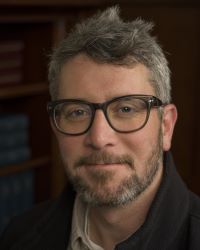 Clifford P. Brangwynne, Ph.D. cbrangwy@princeton.edu June K. Wu ‘92 Professor of Chemical and Biological Engineering Princeton UniversityCliff Brangwynne is the June K. Wu ‘92 Professor of Chemical and Biological Engineering at Princeton University, a Howard Hughes Medical Institute Investigator, and Founding Director of the Omenn-Darling Bioengineering Institute. He obtained a B.S. in Materials Science from Carnegie Mellon University in 2001, and PhD in Applied Physics in 2007 from Harvard University. He was a visiting fellow at the Max Planck Institute for the Physics of Complex Systems in Dresden, and a Helen Hay Whitney Postdoctoral Fellow at the Max Planck Institute for Molecular Cell Biology and Genetics in Dresden. His primary research interests are in biological self-assembly, particularly in the role of intracellular phase separation. Dr. Brangwynne is a member of the National Academy of Sciences, and the recipient of numerous awards including a Macarthur Fellowship, Wiley Prize, HFSP Nakasone Award, Keio Prize, and Breakthrough Prize.
 -
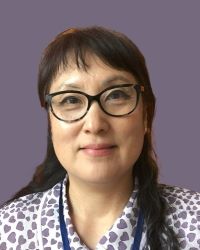 Jung Shin Byun, Ph.D., M.P.H. jung.byun@nih.gov Program Director National Cancer InstituteDr. Jung Shin Byun holds a Ph.D. in biophysical chemistry from the University of Maryland, College Park, and an M.P.H. from the Johns Hopkins University Bloomberg School of Public Health. Dr. Byun joined the DCTD at the NCI in 2023 as a Program Director. Before assuming in her current role, Dr. Byun conducted research at the NIH, focusing on the development of biomarkers for tumor detection, diagnosis, and prognosis. She also studied pharmacological targeting for therapeutic discovery, genomics and tumor biology. Dr. Byun led several cancer cohort projects and performed independent research in cancer epidemiology, focusing particularly on gene and environment interactions in diverse populations.
Her extensive expertise spans basic science, translational research, and population-based public health and epidemiology. Dr. Byun has contributed to advancing cancer research initiatives and training programs within the DCTD.
Currently, she manages a diverse grant portfolio encompassing bioengineering, Innovative Molecular Analysis Technologies (IMAT), molecular and genomic profiling, and advanced sequencing technologies. Dr. Byun also fosters collaboration across multiple programs within DCTD and organizes the Division of Cancer Treatment and Diagnosis Technology Development Seminar Series, which showcases innovative advancements in cancer diagnosis and treatment technologies. -
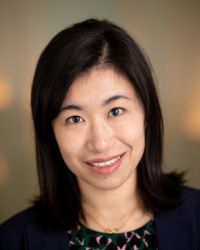 Danfeng Cai, Ph.D. danfeng.cai@jhu.edu Assistant Professor Johns Hopkins Bloomberg School of Public HealthDr. Danfeng Cai is an Assistant Professor of Biochemistry and Molecular Biology at the Johns Hopkins Bloomberg School of Public Health, with joint appointments in the Sidney Kimmel Cancer Center and the Biophysics Department of School of Medicine. Her research focuses on how biomolecular condensates organize transcription and drive cancer progression. Dr. Cai received her Ph.D. in Biochemistry from Johns Hopkins University School of Medicine, where she studied how mechanical forces regulate collective cell migration, work that earned the Bae Gyo Jung Award. She then trained as a Damon Runyon Cancer Research Fellow with Drs. Zhe Liu and Jennifer Lippincott-Schwartz at Howard Hughes Medical Institute’s Janelia Research Campus, where she discovered that the oncoprotein YAP forms nuclear condensates to drive gene expression. Since launching her independent lab at Johns Hopkins in 2021, Dr. Cai has built a robust and externally funded program that combines advanced live-cell imaging, genome engineering, and synthetic biology. Her team has made important contributions to understanding condensates in cancer. Her work is currently supported by an NIH MIRA award and an American Cancer Society Research Scholar Grant. She has been recognized as a Kavli Fellow of the National Academy of Sciences, Forbeck Scholar, and Leading Edge Fellow. In addition to research, Dr. Cai is dedicated to mentoring the next generation of scientists, having trained more than 20 postdoctoral, doctoral, master’s, and undergraduate researchers since 2021, and she contributes broadly to the scientific community through teaching, peer review, and leadership roles.
-
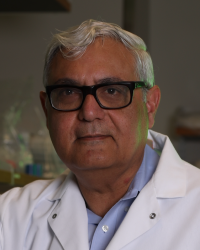 Ashutosh Chilkoti, Ph.D. chilkoti@duke.edu Alan L. Kaganov Distinguished Professor Duke UniversityAshutosh Chilkoti is the Alan L. Kaganov Professor of Biomedical Engineering and Chair of the Department of Biomedical Engineering at Duke University.
Dr. Chilkoti's research in biomolecular engineering and biointerface science focuses on the development of new molecular tools and technologies that borrow from molecular biology, protein engineering, polymer chemistry and surface science that they then exploit for the development of applications that span the range from bioseparations, plasmonic biosensors, low-cost clinical diagnostics, and drug delivery. -
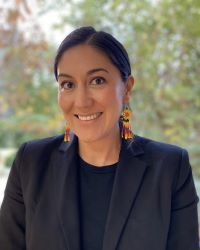 Rosana Collepardo-Guevara, D.Phil. Professor of Computational and Molecular Biophysics Departments of Chemistry and Genetics University of CambridgeRosana Collepardo-Guevara is Professor of Computational and Molecular Biophysics at the University of Cambridge, where she holds joint appointments in the Yusuf Hamied Department of Chemistry and the Department of Genetics. Originally from Mexico City, she leads a group that develops multiscale computational approaches — combining statistical physics, molecular simulation and machine learning — to uncover the physical principles that govern genome organisation. Her research spans chromatin structure, biomolecular condensates and gene regulation, and seeks to connect molecular interactions to the chromosome-scale architecture and material properties that shape cellular function.Working closely with experimental collaborators, her group has built a successive generation of physics- and chemistry-aware coarse-grained models — including Mpipi and OpenCGChromatin — that are now widely used to study biomolecular condensates and chromatin, and that have helped recast chromatin as a dynamic, liquid-like polymer whose phase behaviour and material state tune genome function. Her work lies at the interface of biological physics, computational chemistry and genome biology and has been supported by two consecutive ERC grants and an AI@HHMI Accelerating Innovation in Biology award.
 -
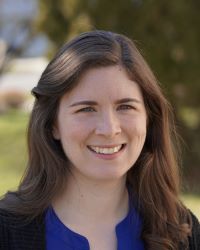 Kelly Crotty, Ph.D. crottykj@mail.nih.gov Program Director National Cancer InstituteDr. Kelly Crotty is a Program Director in the Center for Strategic Scientific Initiatives (CSSI) at the National Cancer Institute (NCI) where she leads technology-focused grant programs. She directs the Innovative Molecular Analysis Technologies (IMAT) program, the Informatics Technology for Cancer Research (ITCR) program, and the R50 Research Specialist Program.
Dr. Crotty joined the National Cancer Institute in 2019. She received her Ph.D. in biochemistry from the University of California – San Francisco -
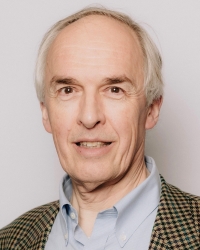 Hugues de Thé, M.D. Ph.D. hugues.dethe@inserm.fr Professor College de FranceHugues de Thé M.D. Ph.D. is Professor of molecular oncology at the Collège de France and physician at Hospital St. Louis, Paris. After making significant contributions to Retinoic Acid signaling during his MD/PhD training, he played a key role in the discovery of the PML/RARA oncoprotein, the driver of acute promyelocytic leukemia. Ever since, he has investigated how PML/RARA drives leukemogenesis and the mechanisms underlying the exquisite clinical response to RA and arsenic. This led him to address issues of transcriptional control, cell biology, proteolysis and mouse modeling. In particular, he established the key role of therapy-induced PML/RARA degradation and PML nuclear bodies in APL response, crafting the physio-pathological bases for definitive curative regimens, first established in mice and subsequently in patients. He is a member of the French Academy of Sciences and of the National Academy of Medicine (USA).
 -
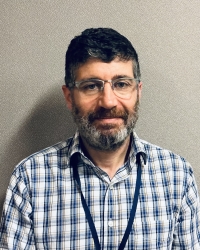 Ian M. Fingerman, Ph.D. ian.fingerman@nih.gov Branch Chief DNA and Chromosome Aberrations Branch, Division of Cancer BiologyIan M. Fingerman, Ph.D. is Branch Chief of the DNA and Chromosome Aberrations Branch in the Division of Cancer Biology at the National Cancer Institute (NCI), where he oversees scientific programs and research initiatives focused on cancer genetics, genomics, epigenetics, chromatin biology, and genome organization. Prior to his appointment as Branch Chief, Dr. Fingerman served as a Program Director within the same branch, managing a diverse extramural research portfolio and leading the development, administration, and scientific oversight of major NIH-funded initiatives. His work has included stewardship of large-scale collaborative programs supported through the NIH Common Fund, including the 4D Nucleome (4DN) and Somatic Mosaicism across Human Tissues (SMaHT) consortia, as well as participation in trans-NIH efforts related to genomic data sharing, data management policy, and cancer genomics research infrastructure.
Prior to joining NCI, Dr. Fingerman served as a Staff Scientist at the National Center for Biotechnology Information (NCBI), where he led the NCBI Epigenomics resource and contributed to epigenomics data initiatives, including the NIH Roadmap Epigenomics Program and the International Human Epigenome Consortium (IHEC). His work at NCBI focused on epigenomics data integration, bioinformatics resource development, scientific coordination, and research program management.
Dr. Fingerman received his Ph.D. in Microbiology and Molecular Genetics from Rutgers University and completed postdoctoral training in biochemistry and chromatin biology at Purdue University. His research career has focused on mechanisms of epigenetic regulation, histone methylation, chromatin organization, and gene expression.
-
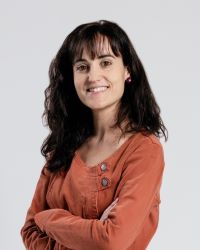 Jordina Guillén-Boixet, Ph.D. jguillen@nuagetx.com Head of Science Nuage TherapeuticsJordina has served as Head of Science at Nuage since the company’s founding in 2021. Before joining Nuage, she focused her research career on understanding how intrinsically disordered proteins are regulated within cells, with particular emphasis on post-translational modifications and biomolecular condensate formation. Her academic research, conducted at the Max Planck Institute of Molecular Cell Biology and Genetics (MPI-CBG) and the Institute for Research in Biomedicine (IRB Barcelona), has been published in leading peer-reviewed journals and recognized through competitive fellowships, including the EMBO Long-Term Fellowship and the Torres Quevedo program. She holds a PhD in Molecular and Cellular Biology and a Master’s Degree in Biomedical Research.
 -
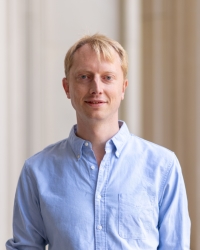 Anders S Hansen, MChem, AM, Ph.D. Class of 1943 Associate Professor of Biological Engineering Massachusetts Institute of TechnologyAnders obtained his undergraduate and Master’s degree in Chemistry at Oxford University in 2010. He received his PhD in Chemistry and Chemical Biology from Harvard University in 2015, where he worked with Erin O’Shea and applied systems biology approaches to understand how cells can encode and transmit information in the dynamics of transcription factor activation. For his post-doc at UC Berkeley with Robert Tjian and Xavier Darzacq, Anders developed new imaging approaches to track single proteins in living cells and applied these to understand the mechanisms of key architectural proteins involved in 3D genome organization.
Anders began his independent lab at MIT in 2020 where he is currently an Associate Professor of Biological Engineering and a member of the Broad Institute and the Koch Institute. The Hansen lab is broadly interested in 3D genome structure and function, and develops new super-resolution and single-molecule imaging methods to track chromatin looping, transcription, and protein dynamics in living cells, new high-resolution 3D genomics methods to capture looping interactions as well as new computational approaches. Current application areas of interest include the dynamics of chromatin looping and transcription, how misfolding of the genome causes disease, connecting disease-associated variants to target genes, the basic mechanisms of 3D genome folding, the selectivity rules between enhancers and promoters, machine learning, and synthetic 3D genome biology.
Anders has won several awards including an NIH K99 Pathway to Independence award (2019), NIH Director’s New Innovator award (2020), a Pew-Stewart Scholar for Cancer Research award (2021), an NSF CAREER award (2024), an NIH Director’s Transformative Research Award (2024), and an MIT Edgerton Award (2025), the highest award at MIT for junior faculty. -
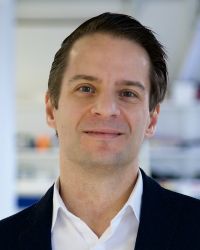 Denes Hnisz, Ph.D. hnisz@molgen.mpg.de Research Group Leader Max Planck Institute for Molecular GeneticsDenes Hnisz is a Research Group Leader at the Max Planck Institute for Molecular Genetics in Berlin, Germany. A native of Hungary, he was trained in biochemistry at the ELTE University of Budapest, in genetics and microbiology at the University of Vienna, and as a postdoctoral fellow at the Whitehead Institute for Biomedical Research in Cambridge MA. The mission of his laboratory it to map transcriptional regulatory circuits that define cell identity and function, using a combination of genomic, imaging, biochemical, and computational tools. Recent highlights include the discovery of DNA elements, called super-enhancers, that are critical nodes in the regulatory circuits of human cells; insights into the roles of 3D genome organization in gene activity; and the discovery of liquid-like proteinaceous droplets called transcriptional condensates formed by transcriptional regulators. One of the major efforts of the lab now is using biomolecular condensates as a ways to target intrinsically disordered oncoproteins, as a basis to develop proof-of-concept therapeutics. Since 2019, he has been included among the top 1% Highly Cited Researchers by the Web of Science. He is an inventor of several international patents and a scientific co-founder and advisor to Nuage Therapeutics in Barcelona, Spain.
 -
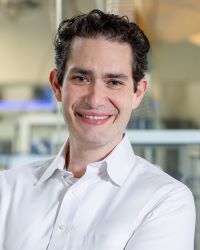 Isaac Klein, M.D., Ph.D. iklein@dewpointx.com Chief Scientific Officer Dewpoint TherapeuticsIsaac Klein, MD, PhD, is the Chief Scientific Officer and Head of Research and Development at Dewpoint Therapeutics. A physician-scientist and medical oncologist, Isaac leads Dewpoint’s scientific strategy and R&D efforts. He earned a B.S. in Biological Engineering from Cornell, an MD from Cornell, and a PhD in Immunology and Genetics from The Rockefeller University. Isaac completed residency in Internal Medicine at Brigham and Women’s Hospital, and a fellowship in Medical Oncology at the Dana-Farber Cancer Institute, specializing in breast cancer. His postdoctoral research was conducted with Richard Young at the Whitehead Institute at MIT. As a junior faculty member at Dana-Farber, Harvard Medical School, and MIT, Isaac’s research established the role of biomolecular condensates in gene regulation, oncogenesis, and small-molecule mechanisms of action. A founding member of Dewpoint’s academic advisory board, he joined the company full-time in 2021. In 2022, he was named one of Endpoints News' “20 Under 40” in biopharma.
Dewpoint
Dewpoint is a leading biotech company applying biomolecular condensate biology to develop a new generation of therapeutics. The realization that a vast range of conditions are regulated by, or arise from the dysfunction of, condensates has opened new possibilities for modulating the function of targets previously deemed undruggable. Dewpoint’s platform underlies a drug discovery pipeline that spans multiple therapeutic areas, including oncology, neurodegenerative, cardiopulmonary, and metabolic diseases. Learn more about the company and its science at Dewpointx.com and Condensates.com.
-
 Richard Kriwacki, Ph.D. Richard.kriwacki@stjude.org Member St. Jude Children’s Research HospitalDr. Kriwacki and his research team seek to understand the molecular basis of regulation of essential biological processes (e.g., cell division, apoptosis, ribosome biogenesis, transcription), emphasizing the roles of intrinsically disordered proteins and phase separation in these processes. The team applies structural biology and biophysical techniques with biochemical, cell biological and cell imaging methods to study the details of biomolecular mechanisms from test tubes to cells. One area of interest is the role of phase separation in nucleolar biology. With C. Brangwynne and R. Pappu, the team discovered the physical basis for the multilayered structure of the nucleolus and later with C. Brangwynne revealed the thermodynamic basis for ribosome flux out of the nucleolus. Current studies address how multiphase behavior of nucleolar scaffold proteins and assembly factors mediates ribosome subunit assembly in the granular component and how the ARF tumor suppressor impacts ribosome biogenesis within and beyond the nucleolus. A second research area addresses the role of phase separation by fusion oncoproteins (FOs) in pediatric cancers. With C. Mullighan and J. Klco, the team first showed that NUP98 FOs undergo phase separation to form nuclear condensates that engage chromatin, drive aberrant gene expression, transform hematopoietic cells and promote leukemogenesis. Evaluation of almost 200 FOs revealed that condensate formation is a common property of these cancer-driving proteins. Through these studies and more recent studies of >200 FO-derived intrinsically disordered regions, the team has developed data science tools to understand the driving forces underlying condensate formation by FOs and to predict this behavior in new FOs that arise in pediatric cancer patients. The team applies these tools in collaborative studies of multiple families of FOs in pediatric leukemias (with Mullighan & Klco) and brain tumors (with S. Mack), with the ultimate goal of revealing molecular vulnerabilities to leverage in targeted therapeutic development.
 -
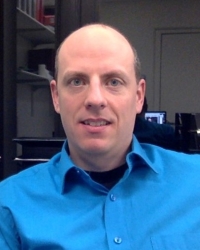 John M. Lamar, Ph.D. lamarj@amc.edu Professor Albany Medical CollegeJohn Lamar, Ph.D. John Lamar is an Associate Professor in the Department of Molecular and Cellular Physiology at Albany Medical College in Albany. He received his Ph.D. from the Center for Cell Biology and Cancer Research at Albany Medical College in 2008 and completed his postdoctoral training at the Koch Institute for Integrative Cancer Research at Massachusetts Institute of Technology. Dr. Lamar’s research focuses on the Hippo–YAP/TAZ–TEAD signaling pathway and its role in cancer development and progression. His laboratory seeks to understand how dysregulation of this pathway drives disease and to identify new therapeutic strategies targeting YAP and TAZ in metastatic cancer. Dr. Lamar’s group studies multiple cancer types, including the ultra-rare vascular sarcoma epithelioid hemangioendothelioma (EHE). His laboratory is one of only a small number worldwide studying EHE, a cancer driven by mutations involving the genes encoding YAP or TAZ. Through collaborations with clinicians, pharmaceutical companies, and patient advocacy organizations, his work has contributed to major advances in EHE research and helped increase awareness of the disease within both the scientific and medical communities.
 -
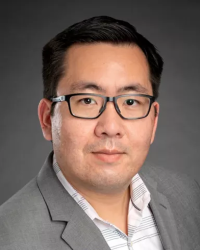 Stephen Mack, PhD Associate Member St Jude Children's Research HospitalStephen C. Mack is an Associate Member in the Department of Developmental Neurobiology and Center of Excellence in Neuro-Oncology Sciences at St. Jude Children's Research Hospital. His research focuses on the epigenetic and transcriptional mechanisms driving pediatric brain tumors, particularly ependymoma and high-grade glioma, with the goal of developing targeted therapies for childhood cancers. Dr. Mack leads a multidisciplinary laboratory that combines molecular biology, genomics, and translational neuroscience to study tumor development, tumor–microenvironment interactions, and novel therapeutic strategies.
 -
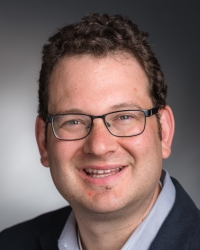 Matthew G Oser, M.D., Ph.D. matthew_oser@dfci.harvard.edu Associate Professor of Medicine DFCIMatthew G. Oser MD, PhD, is an Associate Professor of Medicine at Harvard Medical School and a medical oncologist at Dana-Farber Cancer Institute in the Lowe Center for Thoracic Oncology. Dr. Oser completed his undergraduate studies at Oberlin College and received his MD and PhD degrees from the Albert Einstein College of Medicine. He completed a residency in Internal Medicine at Brigham and Women’s Hospital followed by a fellowship in Medical Oncology at the Dana-Farber Cancer Institute/Mass General Brigham where he did his postdoctoral research with Dr. William G. Kaelin Jr. Dr. Oser is a member of the American Society of Clinical Investigation and has received several awards including a Damon Runyon Clinical Investigator Award, an ACS Research Scholar Award, a Lung Cancer Research Foundation Career Development Award, a NIH K08 Career Development Award, and an R37 MERIT award. Dr. Oser has been invited to give national and international seminars at several academic institutions and conferences, and has published his research in several high impact journals including Nature, Cancer Cell, Nature Cell Biology, and Cancer Discovery. Dr. Oser started his laboratory at the Dana-Farber Cancer Institute in 2019 and is focused on using CRISPR/Cas9 to understand mechanisms that regulate lineage transcription factors and neuroendocrine differentiation in small cell lung cancer (SCLC) and to identify novel targeted therapies for SCLC.
-
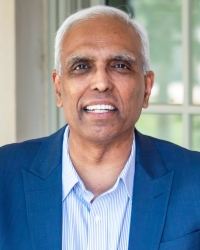 Rohit V Pappu, PhD pappu@wustl.edu Gene K. Beare Distinguished Professor of Biomedical Engineering Washington University in St. LouisPappu received his PhD in Biological & Soft Matter Physics from Tufts University. He joined the faculty of Biomedical Engineering at Washington University in St. Louis (WashU) following two postdocs, one in the department of Biochemistry and Molecular Biophysics at WashU medical school and the second in the department of Biophysics and Biophysical Chemistry in the medical school at Johns Hopkins University. Pappu’s research interests focus on the form, function, and phase behaviors of multivalent biomacromolecules including intrinsically disordered proteins, multidomain proteins, nucleic acids, and highly charged polymers. These research interests are pursued with an aim to understand the physical basis for spatial and temporal organization of cellular matter via biomolecular condensates. Pappu’s interests are fueled by approaches that combine biophysical computations, adaptations, and advancements in near-equilibrium polymer physics and soft matter physics theories, in vitro and in cell experiments, bioinformatics and machine learning. At WashU, Pappu teaches courses on Bioengineering Thermodynamics and the Physics of Biopolymers. As Director of the Center for Biomolecular Condensates, Pappu coordinates the efforts of PIs who are involved in basic and applied research focused on the biology, biophysics, biochemistry, and bioengineering of biomolecular condensates.
 -
 John F. Reilly, Ph.D. jreilly@nereidtx.com Chief Scientific Officer Nereid TherapeuticsJohn F. Reilly is Chief Scientific Officer at Nereid and an Entrepreneur in Residence at ATP, building on over 20 years of biopharmaceutical leadership and drug discovery experience across multiple disease areas. Previously, John was Senior Vice President of Biology at Goldfinch Bio, where he led efforts ranging from target discovery to clinical biomarkers. Prior to joining Goldfinch, John served as Executive Director of Biology at Catabasis Pharmaceuticals, where he was responsible for developing and executing a translational strategy for several molecules with potential applications in multiple rare diseases. Previously he was Global Head of Applied Human Genetics & Genomics at Novartis Institutes for BioMedical Research, where he led a multi-disciplinary department driving advancements in genomic technologies and their application to clinical trials across general medicine indications. At Merck Research Laboratories, he served as Director of Molecular Biomarkers, leading the company's anti-PD-1 biomarker efforts and developing and qualifying biomarker assays for use in discovery and early-stage clinical trials in multiple programs.
John earned a BA in Molecular and Cell Biology from the University of California Berkeley, a PhD in Neuroscience from the University of California Davis, and completed postdoctoral training at the Scripps Research Institute in La Jolla.
-
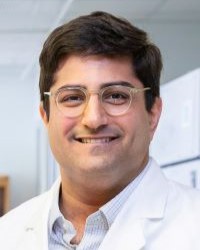 Benjamin Sabari, Ph.D. benjamin.sabari@utsouthwestern.edu Assistant Professor University of Texas Southwestern Medical CenterBenjamin Sabari, PhD, is an Assistant Professor in the Cecil H. and Ida Green Center for Reproductive Biology Sciences and the Department of Molecular Biology at the University of Texas Southwestern Medical Center. He received his BS in Molecular Genetics from the University of Rochester and completed his PhD with C. David Allis at The Rockefeller University as an NSF Graduate Research Fellow, where he studied the regulatory role of histone post-translational modifications in gene activation. Dr. Sabari then trained as a Damon Runyon Cancer Research Foundation Postdoctoral Fellow in the laboratory of Richard Young at the Whitehead Institute for Biomedical Research, where he conducted pioneering work establishing a role for biomolecular condensates in transcriptional regulation. Dr. Sabari joined the faculty at UT Southwestern in 2020, where his laboratory investigates how the gene activation machinery is organized by biomolecular condensates in healthy and diseased cell states. His lab has demonstrated that intrinsically disordered protein regions drive condensate specificity to control gene expression, and has revealed that oncofusion proteins exploit condensate formation to drive malignant transcriptional programs. His work has been recognized with a CPRIT Scholar Award, Mark Foundation for Cancer Research Aspire award, Pershing Square Sohn Cancer Prize, and designation as a Clarivate Highly Cited Researcher.
 -
 Andrey S. Shaw, M.D. Senior Fellow GenentechAndrey Shaw is a Senior Fellow at Genentech, where his research explores the role of biomolecular condensates in T cell receptor (TCR) signaling. Prior to joining Genentech in 2016, Dr. Shaw serving as the Head of the Division of Immunobiology, the Emil R. Unanue Professor, and an HHMI Investigator in the Department of Pathology and Immunology at Washington University in St Louis.
 -
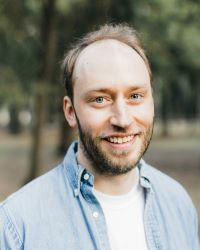 Wilton T. Snead, Ph.D. wilton.snead@northwestern.edu Assistant Professor Northwestern UniversityWilton Snead is a native of Colorado and received his B.S. in Bioengineering from the University of Pittsburgh. He went on to earn a Ph.D. in Biomedical Engineering from the University of Texas at Austin under the mentorship of Jeanne Stachowiak, followed by postdoctoral training with Amy Gladfelter at the University of North Carolina at Chapel Hill and Duke University. The Snead Lab at Northwestern investigates the biophysical mechanisms governing RNA processing and localization within cells, with a particular focus on how these processes go awry in cancer. The lab is particularly focused on biomolecular condensates — concentrated assemblies of interacting proteins and RNAs — and how these assemblies regulate key stages of the RNA lifecycle, from transcription to translation. Precise spatial patterning of RNA at subcellular locations is essential for controlling local protein production, and disruptions in this process have been linked to the initiation and progression of cancer and neurodegenerative diseases. A central focus of the lab is understanding how RNA-binding proteins (RBPs) recognize their RNA targets and how RNAs shape the form and function of biomolecular condensates. Active projects include investigating condensate-mediated mRNA retention in the nucleus, characterizing how dysregulated nuclear retention drives cancer cell development and motility, and elucidating how membrane-localized mRNAs are translated. The lab employs a diverse toolkit spanning quantitative microscopy, live and fixed cell imaging, genomics, biochemical reconstitution, and bioinformatics. Ultimately, the Snead Lab aims to exploit the unique biophysical properties of disease-associated condensates as therapeutic vulnerabilities in cancer.
 -
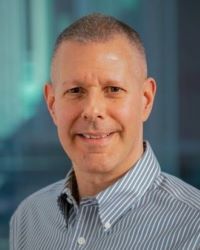 Brian Sorg, Ph.D., M.B.A. brian.sorg@nih.gov Chief, Diagnostic Biomarkers and Technology Branch National Cancer InstituteDr. Sorg joined the NCI as a Program Director in 2012. Prior to joining NCI, he was an Assistant Professor in the J. Crayton Pruitt Family Department of Biomedical Engineering at the University of Florida in Gainesville, where his research focused on in vivo spectral imaging microscopy of tumor microvasculature to measure oxygen delivery effects of anti-vascular targeting therapies. As Chief of the Diagnostic Biomarkers and Technology Branch (DBTB), Dr. Sorg supervises branch staff in the management of the branch grant portfolio, development of research initiatives, and participation in collaborative efforts across the NCI, NIH, and other Federal agencies. Dr. Sorg’s grant portfolio includes projects related to liquid biopsies, microfluidics, tissue chips, in vitro optical imaging, and biosensors for applications in cancer diagnosis and treatment.
Dr. Sorg obtained his B.S. degree in electrical engineering from the University of Maryland, M.S. degree in biomedical engineering from Johns Hopkins University, and Ph.D. in biomedical engineering from the University of Texas at Austin. He did his post-doctoral training at Duke University Medical Center in the laboratory of Dr. Mark W. Dewhirst, DVM, PhD. Dr. Sorg obtained an MBA from the Kenan-Flagler Business School of the University of North Carolina at Chapel Hill. -
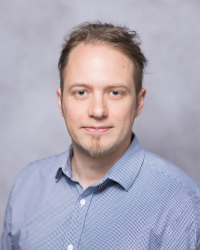 Jan Spille, Dr. jhspille@uic.edu Assistant Professor University of Illinois ChicagoDr. Spille is an Assistant Professor at the University of Illinois Chicago working in experimental biophysics. He completed his undergraduate studies in Physics at the University of Wuerzburg (2009) and his doctorate at the University of Bonn in Germany (2014) with a thesis on 3D single particle tracking. From 2015 – 2019, Dr. Spille was a postdoctoral fellow with Ibrahim Cisse at MIT before starting his independent group in Chicago. He uses single molecule microscopy tools to study structure and dynamics of regulatory chromatin and biomolecular condensates in transcription regulation. His work is supported by the NSF, the NIH, and RCSA Scialog awards.
 -
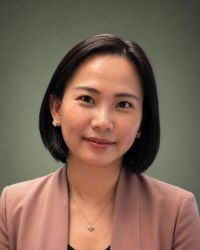 Liling Wan, Ph.D. liling.wan@pennmedicine.upenn.edu Assistant Professor University of PennsylvaniaLiling Wan is an Assistant Professor of Cancer Biology at the University of Pennsylvania’s Perelman School of Medicine. She received her B.S. from Tsinghua University and her Ph.D. in Molecular Biology from Princeton University, followed by postdoctoral training in chromatin biology and epigenetics at The Rockefeller University. In her own lab, she studies how chromatin-based mechanisms of gene regulation are hijacked in cancer, specifically focusing on the role of chromatin regulators and their aberrant condensates in regulating cell fate control and driving tumorigenesis. Her work notably established ENL as a histone acetylation reader and a therapeutic vulnerability in acute myeloid leukemia, a discovery that has directly contributed to the development of small-molecule inhibitors now advancing toward clinical studies. Her laboratory has also provided pioneering mechanistic insights into how mutations in chromatin regulators drive aberrant protein condensation and the formation of oncogenic condensates to promote disease. Dr. Wan is the recipient of numerous honors, including the NIH Director’s New Innovator Award, the Pew-Stewart Scholar Award, the Pershing Square Sohn Cancer Prize, and the V Foundation Scholar Award, as well as Scholar Awards from the American Society of Hematology, the Leukemia & Lymphoma Society, and the American Cancer Society.
 -
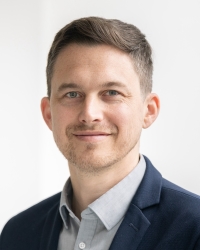 Georg E. Winter, Ph.D. gwinter@aithyra.at Scientific Director Life Sciences AITHYRA Research InstituteGeorg is a chemical biologist and Scientific Director for Life Sciences at the AITHYRA Institute for Biomedical Artificial Intelligence. Thematically, his lab works at the interface of chemical biology, cancer, and gene control. His group aims to innovate novel pharmacologic strategies to probe, understand and disrupt aberrant transcriptional circuits in cancer. Dr. Winter’s research strategy is driven by high-throughput and unbiased technologies. Connecting these technologies with synthetic chemistry empowers the understanding of the mechanism of action of proteins, protein complexes and small molecules. Currently, the main focus of the group is to explore the concept of proximity-inducing small molecules, particularly focusing on molecular glue degraders as well as Proteolysis Targeting Chimeras (PROTACs). Dr. Winter made seminal contributions to this space including the demonstration of the first CRBN-based PROTACs with in vivo activity. In total, Dr. Winter’s is author on more than 60 manuscripts, 10 patents, and he is a scientific co-founder of Proxygen and Solgate. His group is supported by several national and international grants including two ERC Grants (Starting and Consolidator level), an Aspire Award from the Mark Foundation and a participation in the Cancer Grand Challenge team KOODAC focused on developing degraders for undrugged drivers of solid pediatric tumors. Dr. Winter’s contributions to the field of targeted protein degradation were acknowledged via multiple awards, including the Tetrahedron Young Investigator Award, the EFMC Prize, and the Eppendorf Award for European Scientists.
 -
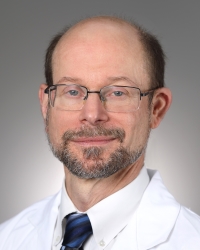 Michael B. Yaffe, M.D., Ph.D. David H. Koch Professor of Science; Professor of Biology and Biological Engineering; Director, MIT Center for Precision Cancer Medicine; Director, KI Clinical Investigator Program Massachusetts Institute of TechnologyMichael B. Yaffe is the David H. Koch Professor of Science and Professor of Biology and Biological Engineering at MIT, where he has been a member of the faculty since 2000. He is also an attending surgeon and intensivist at the Beth Israel Deaconess Medical Center where he specializes in injury and surgical oncology. He has been the Director of the MIT Center for Precision Cancer Medicine since its inception. Yaffe earned his MD-PhD degree from Case Western Reserve University. He then completed a residency in General Surgery at University Hospitals of Cleveland and New England Deaconess Hospital, and a fellowship in Surgical Critical Care, Trauma and Burns at Harvard Medical School's Harvard-Longwood Critical Care Program. He was a post-doctoral fellow with Lewis Cantley in the Department of Cell Biology at Harvard Medical School where he was supported by a Physician-Scientist Fellowship from the HHMI, and a Physician-Scientist Award from the Burroughs-Wellcome Fund. Yaffe is the Scientific Editor-in-Chief of Science Signaling and a member of the Editorial Boards of Molecular & Cellular Proteomics and Cell Cycle. In 2021, Professor Yaffe was elected to the Association of American Physicians and was named a MacVicar Faculty Fellow. He is a decorated veteran of the war in Afghanistan and retired as a Colonel from the U.S. Army Reserve Medical Corps in 2021. Yaffe is a co-founder of Consensus Pharmaceuticals, the DNA Repair Company, On-Q-ity, and Merrimack Pharmaceuticals. He is also a co-founder and a member of the scientific advisory board of Applied Biomath and Thrombo-Therapeutics, and a clinical advisor to Cardiff Oncology.