Reversing Carcinogenesis for Cancer Prevention (Speaker Bios)
Speaker Bios
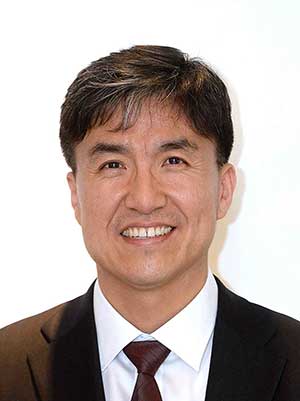
Kwang-Hyun Cho, Ph.D.ProfessorKorea Advanced Institute of Science and Technology (KAIST)View Bio▼
Kwang-Hyun Cho is a Professor in the Department of Bio and Brain Engineering at Korea Advanced Institute of Science and Technology (KAIST) and a director of the Laboratory for Systems Biology and Bio-inspired Engineering (http://sbie.kaist.ac.kr). Previously, he had been a Professor of Electrical Engineering (1999-2003, University of Ulsan) and Medicine (2004-2007, Seoul National University). He was the recipient of IEEE/IEEK Joint Award for Young IT Engineer, National Young Scientist Award and National Engineer's Award both from the President of Korea, Walton Fellow Award from Science Foundation of Ireland, and Cheney Fellow Award from University of Leeds, U.K. He started systems biology by his own idea of combining control engineering and biological experiments from 1999 and has published over 235 papers in high-profile international journals. He has been challenging to develop innovative therapeutic approaches for reverting cancer and aging on the basis of systems biology, and co-founded biorevert Inc. (https://biorevert.com/) to realize these therapeutics. He is the Editor-in-Chief of IET Systems Biology (Wiley) and Encyclopedia of Systems Biology (Springer).
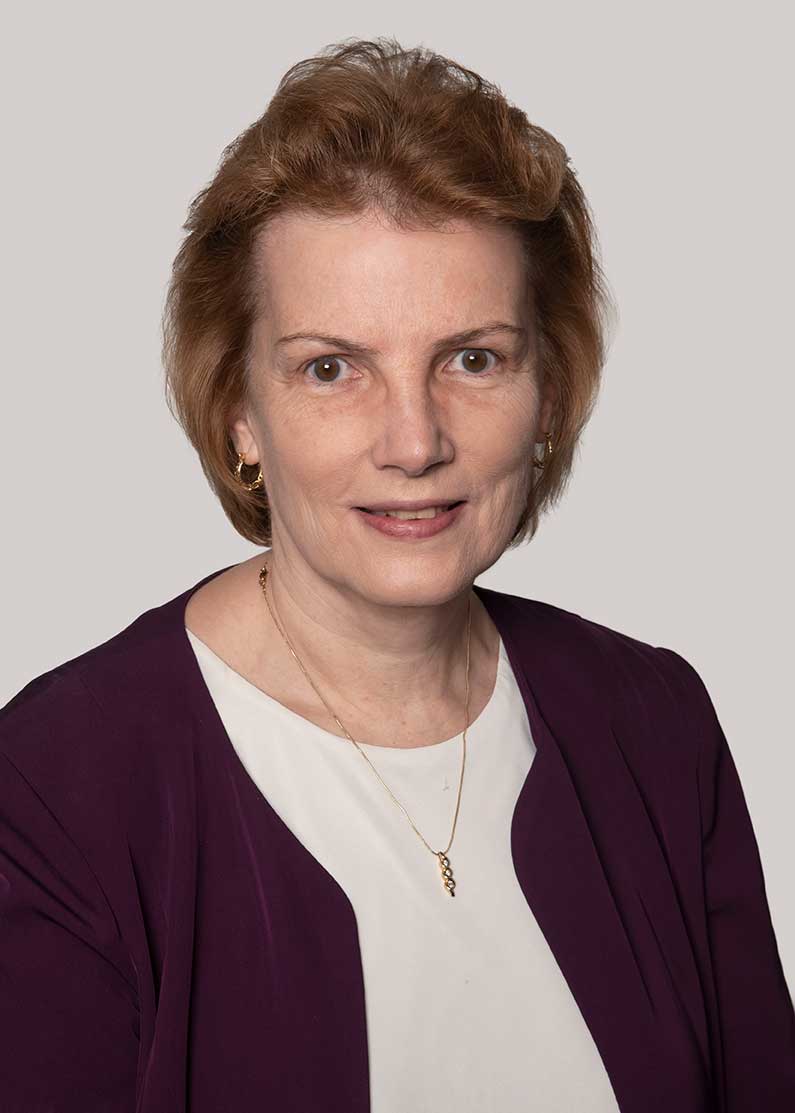
Margie Clapper, Ph.D.margie.clapper@fccc.eduProfessor, Samuel M.V. Hamilton Endowed Chair in Cancer Prevention Fox Chase Cancer CenterView Bio▼
Dr. Clapper is a Professor, the Samuel M.V. Hamilton Endowed Chair in Cancer Prevention, and Co-Leader of the Cancer Prevention and Control Program at Fox Chase Cancer Center (FCCC). She received her B.S. in Biology from the State University of New York at Oneonta and a Ph.D. in Genetics and Cell Biology from the University of Connecticut at Storrs. She subsequently completed her postdoctoral training in the Department of Pharmacology at FCCC, where she focused on mechanisms of acquired drug resistance. In 1991, Dr. Clapper established a basic research program at FCCC dedicated to the prevention of cancer, one of the first of its kind in the nation. For more than three decades, her research laboratory has focused on the establishment of biomarkers of cancer susceptibility, the identification of molecular targets for drug intervention and the discovery of novel agents for the early interception of cancer. Special interests include establishing preventive regimens for subjects at high-risk for colitis-associated colorectal cancer, elucidating the contribution of estrogen metabolites to the initiation of non-small cell lung cancer among never-smokers, and developing a novel small molecule to reactive mutant p53. She is PI of the NCI Cancer Prevention-Interception Targeted Agent Discovery Program at FCCC, the goal of which is to develop molecularly and immunologically targeted agents for early interception of cancer. Her translational laboratory has been funded continuously by grants from the NCI, NIH since its inception. Dr. Clapper is a founding member of the first NIH Study Section devoted to cancer prevention and has served on the NCI IRG Subcommittee A for Review of Cancer Centers. She is also a long-standing Prime Contractor of the Division of Cancer Prevention, NCI. Her accomplishments have led to numerous publications in high impact journals and several patents.
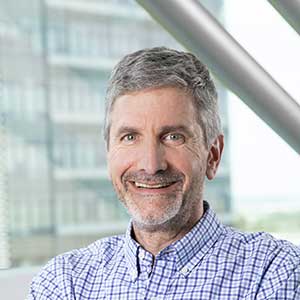
James V Degregori, Ph.D.james.degregori@cuanschutz.eduProfessor and Interim Director of the University of Colorado Cancer CenterUniversity of Colorado AnschutzView Bio▼
James DeGregori is a Professor in the Department of Biochemistry and Molecular Genetics (faculty since 1997) and Deputy Director of the University of Colorado Cancer Center. He has degrees from the University of Texas at Austin (B.A. Microbiology) and the Massachusetts Institute of Technology (PhD Biology), and received postdoctoral training at Duke University. He holds the Courtenay and Lucy Patten Davis Endowed Chair in Lung Cancer Research, and is Editor-in-Chief of the journal Aging And Cancer.
His lab studies the evolution of cancer, in the context of their Adaptive Oncogenesis model, with a focus on how aging, smoking, Down Syndrome, and other insults influence cancer initiation and responses to therapy. In this model, mutations face fitness landscapes that vary with age, genetics, or following carcinogen exposure. These fitness landscapes are highly dependent on the state of the tissue microenvironment in which stem cells reside. The lab has developed this cancer model based on classic evolutionary principles, and substantiated this model by theoretical, experimental and computational studies. Additional studies in the lab seek to identify metabolic and signaling vulnerabilities in cancer, with a focus on acute myeloid leukemias, that can be exploited for the development of more effective therapies. For all of these studies, they leverage a variety of tools, including computational biology, genomics, metabolomics, cell biology, and biochemistry, leveraging both mouse models and human samples.
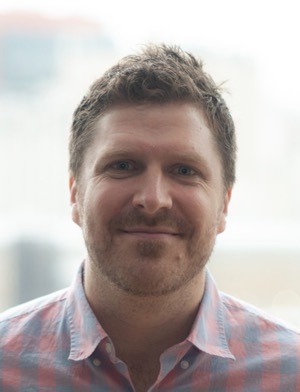
Luke completed his undergraduate and graduate work in Melbourne, Australia, before joining the laboratory of Professor Scott Lowe to develop new approaches to interrogate gene function in the mouse. He described the in vivo application of inducible and reversible shRNA-based gene silencing and published the first inducible CRISPR-Cas9 genome editing in mice. His lab at Weill Cornell Medicine is focused on understanding the genetic drivers of cancer and resistance to therapy. They use CRISPR and base editing approaches to generate tailored pre-clinical models - based on the precise genetic alterations frequently observed in human tumors. Through the use of organoid systems as well as in vivo mouse models, they explore how recurrent cancer-associated genetic changes and local microenvironmental cues influence the onset, progression and therapeutic response of colon, pancreatic and lung cancers.
Dr. Dubielecka is an Associate Professor of Medicine at the Alpert Medical School of Brown University and Director of Translational Hematology within the Division of Hematology/Oncology at Rhode Island Hospital. She serves as Co-Director of the Pathobiology Graduate Program at Brown University and Co-Leader of the Cancer Biology Program at the Legorreta Cancer Center, where she provides leadership at the interface of basic discovery and clinical translation. Dr. Dubielecka received her undergraduate (summa cum laude) and PhD (with honors) degrees from the University of Wroclaw, Poland. A scholar of the European Commission’s Socrates/Erasmus Program, she pursued biophysics training at the University of Helsinki and Charles University, followed by postdoctoral work at the Lindsley F. Kimball Research Institute in New York. She further broadened her expertise through training at the University of Michigan, Ann Arbor, and the Helmholtz Centre for Infection Research in Germany. Since establishing her independent program in 2012, Dr. Dubielecka has led investigations into the biology of blood cancer–initiating stem cells, with a particular focus on their role in the initiation, evolution, and therapeutic resistance of myeloproliferative neoplasms. Her work is guided by translational focus to define actionable vulnerabilities within neoplasm-initiating stem cell populations, with the goal of achieving durable disease modification in myeloproliferative neoplasms. Central to this effort is a comprehensive focus on the role of both local and systemic environments in MPNs and cues that collectively shape disease initiation, evolution, and therapeutic resistance.
James R. Goldenring, M.D, Ph.D.jim.goldenring@vumc.orgProfessor of Surgery and Cell and Developmental BiologyVanderbilt University Medical CenterView Bio▼
Dr. James R. Goldenring is presently the Paul Sanger Professor of Surgery and Professor of Cell and Developmental Biology at Vanderbilt University Medical Center and Co-Director of the Vanderbilt Epithelial Biology Center. Dr. Goldenring has been a leader in the field of epithelial biology for the past three decades. His studies have led to insights into how vesicle trafficking regulates the establishment of apical membranes specializations and establishes epithelial polarity. Dr. Goldenring has made major contributions to the study of pre-neoplastic changes related to gastric cancer and the roles of mucosal stem cells in giving rise to metaplasia and cancer. He first described Spasmolytic Polypeptide-expressing Metaplasia (SPEM) in mouse models and humans in 1999. While those initial studies were controversial, work over the past 10 years has now established the validity of the concept that SPEM is present in many rodent models of parietal cell loss and in humans. His work has also redefined concepts of the origin of metaplasia and altered views of the plasticity of differentiated cells by demonstrating, using lineage mapping techniques, that SPEM arises from transdifferentiation of mature chief cells into mucous cell metaplasia. All of these studies have led to a major change in the paradigm for gastric preneoplasia to recognize a pathway from transdifferentiation of chief cells into SPEM in the presence of parietal cell loss to further progression of metaplasia into incomplete intestinal metaplasia under the influence of inflammatory mediators. Importantly, his recent work has shown that metaplasia can be reverted to normal mucosa with the administration of MEK inhibitors in both mouse models and human patients.
William M. Grady, M.D.wgrady@fredhutch.orgProfessorFred Hutchinson Cancer CenterView Bio▼
Dr. Grady is a molecular biologist and gastroenterologist. He is an NIH funded PI with >20 years of experience in translational research related to gastrointestinal cancer. He is a Co-Head of the GI Cancer Program of the Fred Hutchinson Cancer Center (FHCC)/University of Washington Comprehensive Cancer Center and the Director of Translational Research for the Gastroenterology Division at the University of Washington. Furthermore, Dr. Grady, in his role of a practicing gastroenterologist, manages patients with a variety of gastrointestinal diseases including Barretts esophagus, colon polyps and gastrointestinal cancer. He is the Medical Director of the GI Cancer Prevention Program Clinic at the Fred Hutchinson Cancer Center, which specializes in the care of individuals who have cancer family syndromes, including Lynch syndrome and polyposis syndromes. He is also the contact PI of a multi-PI Early Detection Research Network (NCI) Biomarker Characterization Center; Translational and Basic Research of Early Lesions (TBEL U54 Center, and an OncoAging Consortium UO1 Center. He is actively involved in numerous translational and clinical trials of emerging biomarker assays for gastrointestinal cancer and has a research program focused on early detection and prevention of gastrointestinal cancer. His NCI funded projects assess the role of epigenetic alterations as risk markers and biomarkers for esophageal and colon cancer, respectively and of the role of genetic and epigenetic alterations in carcinogenesis. He is conducting studies that: 1) determine the role of the genetic and epigenetic alterations in the initiation and progression of colorectal and esophageal cancer; 2) determine novel prevention approaches to esophageal and colorectal cancer, 3) identify molecular factors that influence the risk for gastrointestinal cancer; 4) develop biomarkers for colorectal, esophageal, and hepatocellular carcinoma; 5) assess the role of age related mechanisms in gastrointestinal cancer formation; and 6) investigate tissue microenvironment factors that affect cancer initiation and progression.
Galit Lahav, Ph.D.galit@hms.harvard.eduNovartis Professor and Chair, Department of Systems BiologyHarvard Medical SchoolView Bio▼
Galit Lahav, PhD
Novartis Professor and Chair
Department of Systems Biology, Harvard Medical School
Galit Lahav received her PhD in 2001 from the Technion, Israel Institute of Technology. In 2003, she completed her postdoctoral fellowship at the Weizmann Institute of Science in Israel. She spent a year at Harvard’s Center for Genomics Research and, in 2004, joined the Department of Systems Biology at Harvard Medical School. In 2018, Lahav became the Chair of the Department of Systems Biology.
Lahav pioneered live, single-cell imaging to reveal how mammalian cells process signals and make fate decisions via the tumor suppressor p53. Her lab discovered that cells interpret DNA damage through complex temporal p53 dynamics, such as oscillations, which shape transcriptional and cell cycle responses, influencing choices between growth, death, and senescence. Her research showed that cell-to-cell variations in p53 dynamics critically affect their responses to chemotherapy and radiotherapy, and that manipulating p53 dynamics can alter cellular outcomes. Her lab applied similar live imaging strategies to unravel the temporal dynamics of other key pathways, including those regulating cell size, DNA repair, differentiation, and the cell cycle.
Lahav has been recognized through several awards and honors, including the Smith Family Award, Vilcek Prize for Creative Promise, and Excellence in Teaching and Mentoring awards. Lahav has established and organized leadership and management workshops for postdocs and faculty, and has developed programs for advancing women in science.
Lahav is now leading a department that uses the power of systems thinking across macro and micro scales to unlock new insights into health and disease. Her goal is to establish new initiatives that promote the development of novel single-cell technologies and the analysis of vast amounts of data, to create new mathematical models and formulas that will let us move from observing biology to predicting and engineering it.
Scott Lowe, Ph.Dlowes@mskcc.orgInvestigator, Howard Hughes Medical Institute Chair, Cancer Biology & Genetics Program, MSKCC Chair, Geoffrey Beene Cancer Research Center, MSKCCMemorial Sloan Kettering Cancer CenterView Bio▼
Scott W. Lowe is Chair of the Cancer Biology and Genetics Program at Memorial Sloan Kettering Cancer Center (MSKCC) in New York City and an Investigator with the Howard Hughes Medical Institute. He earned his bachelor’s degree from the University of Wisconsin-Madison and a Ph.D. from the Massachusetts Institute of Technology. Dr. Lowe began his independent research at Cold Spring Harbor Laboratory, where his group made significant contributions to understanding the p53 tumor suppressor, multi-step carcinogenesis, cellular senescence, and tumor-cell drug resistance. At MSKCC, his team integrates mouse models, genetics, and genomics to explore the interactions between tumor cells and their environment. This work has led to new discoveries relating to the genetic and epigenetic drivers of cancer evolution and how cellular senescence can influence immune surveillance and be targeted therapeutically. During his career, Dr. Lowe has mentored over 80 trainees, many of whom have gone on to independent faculty positions. He has received numerous awards, including the Sidney Kimmel Scholar Award, Rita Allen Scholar Award, the American Association for Cancer Research (AACR) Outstanding Investigator Award and G.H.A. Clowes Award, the Paul Marks Prize, and the Alfred G. Knudsen Award from the NIH. He is an elected member of the American Academy of Arts and Sciences, the National Academy of Sciences, and the National Academy of Medicine, and is a Fellow of the AACR.
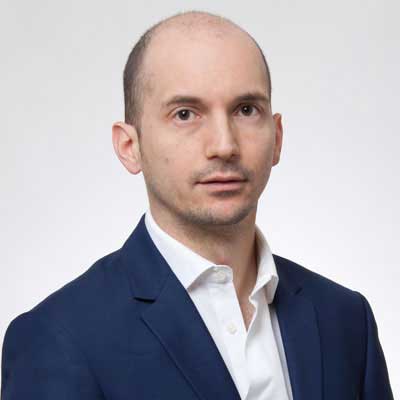
Andrea Pensotti, Ph.D.ResearcherCampus Bio-Medico UniversityView Bio▼
Andrea Pensotti earned his PhD with a thesis focused on tumor reversion, a field that has remained central to his scientific work. For over a decade, he has been actively engaged in investigating the role of the embryonic microenvironment in regulating cancer cell fate, with particular attention to mechanisms that promote the transition from a malignant to a benign phenotype.
Throughout these ten years, he has consistently collaborated with Prof. Mariano Bizzarri, Director of the Systems Biology Laboratory at Sapienza University of Rome, contributing to a multidisciplinary research approach that integrates developmental biology and cancer systems biology.
This research has contributed to advancing the understanding of how developmental cues can influence tumor plasticity. Within this collaborative framework, the research team led by Prof. Mariano Bizzarri demonstrated that specific extracts derived from the embryonic microenvironment of zebrafish and trout are capable of modulating Translationally Controlled Tumor Protein (TCTP), thereby promoting the normalization of aggressive breast cancer cell phenotypes.
In parallel, working alongside Prof. Mariano Bizzarri, he co-developed and patented a defined mixture of microRNAs capable of targeting and modulating PIK3CA signaling pathways. This approach has shown potential in inducing phenotypic reversion in breast cancer cells, shifting them from malignant to more differentiated, benign-like states.
Beyond experimental research, Andrea Pensotti has also contributed to the historical and conceptual systematization of tumor reversion studies, helping to frame this emerging paradigm within a broader scientific and epistemological context.
His work integrates developmental biology, cancer research, and systems biology, with the aim of identifying innovative, non-cytotoxic strategies for cancer treatment based on reprogramming rather than the destruction of tumor cells.
Charles W. M. Roberts, M.D., Ph.D.Cancer Center Director and Executive Vice PresidentSt. Jude Children's Research HospitalView Bio▼
Charles W. M. Roberts, MD, PhD, is a leader in the field of cancer epigenetics whose research has provided new insights into the central role of chromatin remodeling perturbations in cancer, discoveries that have been translated into investigational and FDA approved therapies for both pediatric and adult cancer patients. His research specifically focuses on the SWI/SNF (BAF) chromatin remodeling complex. Perturbation of this complex has broad relevance to cancer as at least nine genes that encode SWI/SNF subunits are collectively mutated in over 20% of all cancers. Roberts’ laboratory studies the mechanisms by which SWI/SNF normally regulates chromatin structure and cell fate and the mechanisms by which mutation of the complex drives cancer formation, and leverages these insights to pursue novel therapeutic approaches. A recent discovery from the Roberts lab raises the possibility of reversing the malignant state of a highly aggressive type of childhood cancer that is driven by mutation of the SWI/SNF complex. Roberts is the director of the St. Jude Comprehensive Cancer Center and also serves as an executive vice president and a full member in the Department of Oncology of St. Jude Children’s Research Hospital. Roberts received his medical and doctoral degrees from Washington University School of Medicine in St. Louis, Missouri. He completed his pediatric residency and pediatric hematology/oncology fellowship at Boston Children’s Hospital/Dana-Farber Cancer Institute. Roberts has been elected to the Society for Pediatric Research, American Society of Clinical Investigation, American Association of Physicians, American Pediatric Society, and as a Fellow of the Academy of the American Association for Cancer Research.
Thomas D. Schmittgen, PhDtschmittgen@ufl.eduProfessor of PharmaceuticsUniversity of FloridaView Bio▼
Dr. Thomas Schmittgen is a professor of Pharmaceutics at the University of Florida College of Pharmacy in Gainesville. Dr. Schmittgen received a BS Pharmacy and a PhD (Pharmaceutics) from the Ohio State University, followed by postdoctoral work at the University of Southern California in Biochemistry & Molecular Biology. He held faculty positions at Washington State University and Ohio State before being recruited to the University of Florida in 2015. Dr. Schmittgen’s expertise lies at the interface of quantitative biology, cancer pharmacology and mechanisms of oncogenesis. He has spent the last decade developing in vitro organoid systems to study early events in the development of pancreatic cancer. He coauthored the seminal paper in 2001 describing the relative method of quantitative gene expression by qPCR; a paper that was recently recognized by the journal Nature as the fifth most cited scientific publication of all time. He is a fellow of the American Association for the Advancement of Sciences and the American Association of Pharmacutical Scientists.
Eduardo Vilar-Sanchez, M.D.,Ph.D.evilar@mdanderson.orgChair Ad InterimUT MD Anderson Cancer CenterView Bio▼
Dr. Vilar-Sanchez is a Professor and Chair ad interim of the Department of Cancer Prevention at MD Anderson Cancer Center. He is a physician-scientist and a medical oncologist by training with clinical expertise in hereditary colorectal cancer syndromes (mainly Lynch Syndrome and Familial Adenomatous Polyposis - FAP) and colorectal medical oncology. Dr. Vilar-Sanchez’s research efforts are focused in developing novel cancer interception strategies including vaccines and chemopreventive agents, and early detection methods for patients at high-risk for colorectal cancer development. In order to accomplish this overarching goal, the Vilar-Sanchez laboratory has characterized the genomic and transcriptomic landscape of pre-cancers using next-generation sequencing approaches, and has identified novel targets for interception using systems biology tools. In parallel, his research team has applied systematically this same workflow to genetically engineered mouse models that mimic the natural history of hereditary colorectal cancer syndromes to perform cross-species comparisons and validate these novel preventive agents and biomarkers in vivo. Moreover, the Vilar-Sanchez laboratory has teamed with other groups to develop ex vivo models that better recapitulate the biology of normal mucosa and premalignancy. In the field of clinical research, Dr. Vilar-Sanchez has designed, implemented and participated in several investigator-initiated clinical trials for early drug development in cancer prevention in hereditary colorectal cancer populations that have been funded by the Division of Cancer Prevention of the National Cancer Institute (naproxen, neoantigen vaccine Nous-209 and trivalent adenovirus, all in Lynch Syndrome, and Obeticholic Acid in FAP) as well as industry-sponsored trials (Phase IB of the IL-17 inhibitor Guselkumab in FAP).