
Workshop on Community Engagement to Build Trust in Science and Enhance Environmental Epidemiology Cancer Research (Speaker Bios)
-
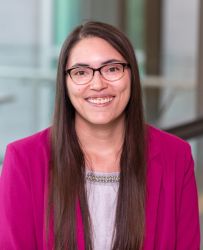 Amanda Acevedo, Ph.D. Program Officer National Cancer InstituteAmanda M. Acevedo, PhD, is a Social and Behavioral Scientist Administrator/ Program Officer in the Basic Biobehavioral and Psychological Sciences Branch (BBPSB) of the Behavior Research Program. Dr. Acevedo also serves as NCI co-lead of the Advancing Cancer Control Engaged Research through Transformative Solutions (ACCERT) initiative.
Dr. Acevedo cultivates a portfolio of grants related to social and psychophysiological influences on cancer control. Dr. Acevedo's program of research focuses on psychosocial factors (e.g., stress, emotion, and cultural norms and expectations regarding emotion expressions) that influence health behaviors, biomarkers, and/or physiological responses to stressors like pain.
Dr. Acevedo earned a PhD in Psychology and Social Behavior with a Health Psychology major and a Quantitative Methods minor from the University of California, Irvine. She is also a proud alumnus of Alverno College in Milwaukee, Wisconsin, where she received a bachelor of arts degree in psychology. Prior to joining NCI as a Program Officer, Dr. Acevedo was a Cancer Research Training Award Post-doctoral Fellow at NCI. -
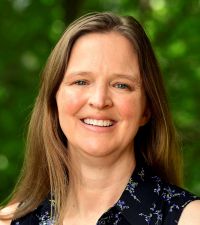 Abee Boyles, Ph.D. Health Scientist Administrator (Program Officer) Population Health Branch, Division of Extramural Research & Training, National Institute of Environmental Health SciencesAbee Boyles, Ph.D., is a Health Scientist Administrator (Program Officer) in the Population Health Branch in the Division of Extramural Research and Training at NIEHS. She is the NIEHS lead for the Cohorts for Environmental Exposures and Cancer Risks and is engaged in the NIH Program on Health and Extreme Weather. Her research grant portfolio also includes fertility, maternal and women’s health, and cancer epidemiology. Previously, she was the Program Director for the Breast Cancer and the Environment Research Program (BCERP) in partnership with the National Cancer Institute.
Dr. Boyles received her B.S. in Zoology with a minor in Genetics from North Carolina State University. Abee worked in the Receptor Biochemistry Department at Glaxo Wellcome prior to entering graduate school at Duke University in the Program in Genetics and Genomics. Dr. Boyles also received certificates in Teaching College Biology and Bioinformatics and Genome Technology. She joined NIEHS as a Postdoctoral Fellow in the Epidemiology Branch.
Prior to becoming a Program Officer in DERT, Abee was a Health Scientist with the Office of Health Assessment and Translation in the National Toxicology Program at NIEHS. In this role Dr. Boyles led the systematic review of Mountaintop Removal Mining: Impacts on Health in the Surrounding Community and the Synthetic Turf/Recycled Tire Crumb Rubber Research Program She was also the lead scientist for the Identifying Research Needs for Assessing Safe Use of High Intakes of Folic Acid Expert Panel, part of the team that developed the OHAT Approach to systematic review and evidence integration for literature-based environmental health science assessments, and contributed to the NTP Monograph on Health Effects of Low-level Lead. -
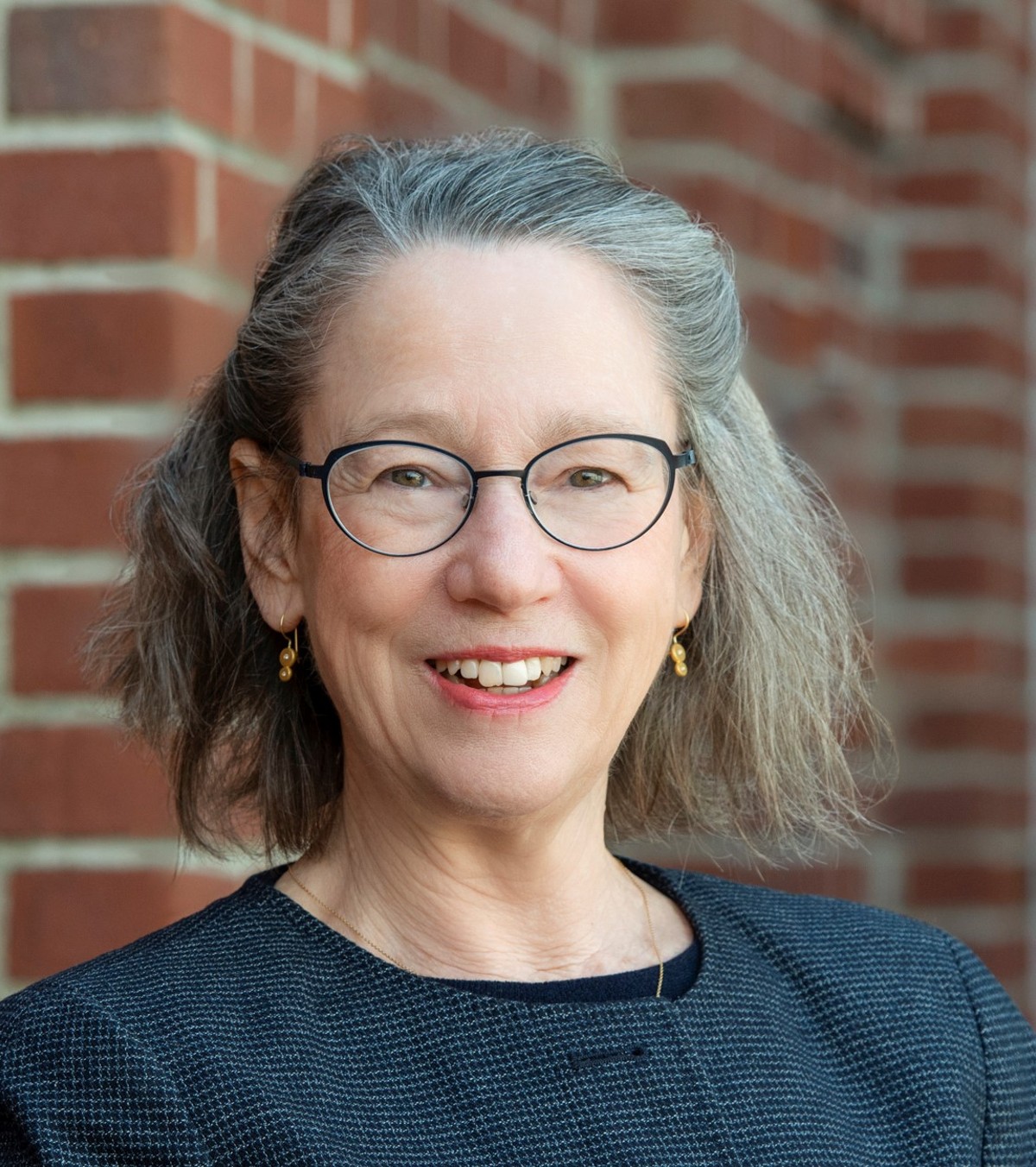 Julia Green Brody, Ph.D. brody@silentspring.org Senior Scientist and Executive Director Emeritus Silent Spring InstituteDr. Julia Brody is Senior Scientist and Executive Director Emeritus at Silent Spring Institute. Her community-engaged breast cancer research inspired her current focus on reporting back to people in environmental health studies to inform them about their own chemical exposures. At each step in developing report-back methods, she has included input from study participants and community members and, after report-back, investigated participants’ experiences and outcomes, resulting in 30+ journal articles. With support from the National Institutes of Health, Dr. Brody’s team developed DERBI (the Digital Exposure Report-Back Interface), a web-based tool for making high-quality personalized reports practical in studies of any size. DERBI has been used in 25 studies in the U.S. and internationally. Dr. Brody is also studying what Americans know about endocrine disruptors—as part of the emerging field of environmental health literacy. Her interest in returning exposure results grew out of Silent Spring Institute’s Household Exposure Study, the first comprehensive assessment of endocrine disrupting compounds in homes. She joined Silent Spring shortly after its founding and led the organization for 28 years, transforming Silent Spring into a leading authority on environmental chemicals and breast cancer. Her research was recognized by an Environmental Merit Award from the US Environmental Protection Agency. She is also a Research Associate in Epidemiology at the Brown University School of Public Health. She earned her Ph.D. in psychology at the University of Texas at Austin, specializing in the public health-inspired field of community psychology.
 -
 Ysabel Duron, B.A. Founder/Executive Director The Latino Cancer InstituteYsabel Duron is a pioneering, award-winning Latina journalist, with 43 years of TV broadcast experience. Duron’s encore career was triggered by a cancer diagnosis and launched her into her advocacy role. For the last 26 years, Duron has been a leader in Latino/Hispanic cancer education, research collaboration and systemic change, launching three non- profits to serve the low income, Spanish speaker and immigrant community, to address gaps along the cancer continuum including cancer awareness education, navigation into screening and through treatment.
In 2017, Ms. Duron launched her third non-profit, The Latino Cancer Institute, (TLCI), a national organization, to amplify the Latino voice on cancer concerns; to collaborate with the global cancer research community; and to drive policy and systemic change to diminish the Latino cancer burden. Cancer is the second leading cause of incidence and mortality in the Latino community which numbers 68 million residents, 20.5% of the U.S. population according to the latest 2024 U.S. Census Bureau data (census.gov).
In February 2023, Duron was appointed by President Joe Biden to serve on the National Cancer Advisory Board which advises the NCI Director. She also sits on the Institutional Review Board of the All of Us Research Program at the NIH and was instrumental in the early adoption of its Spanish language website.
In 2021, as a Board member of the California Institute for Regenerative Medicine, a taxpayer funded, stem cell research support agency, she successfully drove a motion that requires research proposals and clinical trials to include a plan on recruiting a proportionate number of racial and ethnic minorities. Now that requirement is formally incorporated into the majority of application proposals funded by CIRM.
Duron served on the inaugural ACS National Breast Cancer Round Table Steering Committee (2023-26). The aim of NBCRT is to lead collective action across the country to increase awareness of and access to timely, high quality, and compassionate breast cancer screening, diagnosis, treatment, and supportive care for all - no matter race, zip code or background. It's new Risk Toolkit features, a case study, on a TLCI co-developed hereditary breast cancer community training and teaching tool, Tu Historia Cuenta.
Duron's team is about to launch a Cancer Resources Asset Map linking Latino patients to resources, and is developing a new digital Learning Hub, both to be hosted on its website. It’s a dynamic, bilingual space designed to support people on the front lines of cancer research, prevention, diagnosis, and care—including community health workers, researchers, advocates, educators, and students—by offering tools, training, and connections tailored to the unique needs and experiences of Latino communities (www.latinocancerinstitute.org). -
 Gary Ellison, Ph.D., M.P.H. Acting Director of the Division of Cancer Control and Population Sciences National Cancer InstituteDr. Gary L. Ellison was appointed acting director of the Division of Cancer Control and Population Sciences (DCCPS) at the National Cancer Institute (NCI) in January 2026. In this position, Dr. Ellison oversees a division that covers a wide range of scientific domains and disciplines, including epidemiology, behavioral science, surveillance and statistics, implementation science, cancer survivorship, and health services and outcomes research. Prior to his current position, Dr. Ellison served as the division’s deputy director.
In the fall of 2025, Dr. Ellison was named acting director of the NCI Office of Cancer Survivorship (OCS), housed within DCCPS. Under his leadership, OCS continues to support research on the long-term and late effects of cancer and its treatment and to help ensure that new knowledge in cancer survivorship is translated into clinical and public health practice.
Previously, Dr. Ellison served as chief of the Environmental Epidemiology Branch (EEB) in the division’s Epidemiology and Genomics Research Program (EGRP), where he oversaw extramural research focused on modifiable factors and cancer risk. He joined EGRP as an epidemiologist and program director in 2008, becoming chief of EEB in 2016. While serving as chief of EEB, he simultaneously served as acting director of the Division of Extramural Research and Training at the National Institute of Environmental Health Sciences in 2021. Prior to joining EGRP, Dr. Ellison worked as a faculty member in the Department of Family and Community Medicine at the University of Maryland School of Medicine. He was also a contractor for the Centers for Disease Control and Prevention, where he was project manager for the National Program of Cancer Registries Cancer Surveillance System (NPCR-CSS).
Dr. Ellison was an ex-officio member of the National Advisory Environmental Health Sciences Council (NAEHS) and serves as the designated federal official (or executive secretary) for the National Cancer Advisory Board’s ad hoc subcommittee on Population Science, Epidemiology, and Disparities. He is the recipient of NIH Director’s Awards for the 2010 Gulf Oil Spill Response (2011); NIH Working Group for the US-China Biomedical Research Cooperation Program (2013); GEOHealth Team for conceptualizing and implementing the Global Environmental and Occupational Health (GEOHealth) Program (2018); and for excellence in the development and management of the Breast Cancer and the Environment Research Program (2020). In 2014, he received an NIH Award of Merit for providing sustained leadership, scientific direction, and programmatic management for the Breast Cancer and the Environment Research Program, and in 2023, he received an NCI Director’s Award of Merit for establishing and promoting a research agenda and advancing scientific discovery in cannabis and cancer.
Dr. Ellison holds a Master of Public Health from the Division of Biostatistics at Emory University Rollins School of Public Health and a PhD in epidemiology from the University of South Carolina. Dr. Ellison’s doctoral training was in cancer epidemiology. He completed postdoctoral training at Howard University’s National Human Genome Center in Washington, DC, and at NCI as a cancer prevention fellow. -
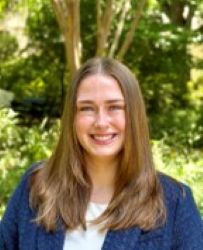 Eva Ferrigno-Bauer, MPH eva.bauer@dlhcorp.com Program Manager DLH, a NIEHS ContractorEva Ferrigno-Bauer, MPH, is the Program Manager for the Sister Study at DLH, LLC, (a National Institute of Environmental Health Sciences (NIEHS) contractor). In this role, Eva leads a diverse team of more than 70 staff to support Sister Study operations, including participant outreach and retention, biospecimen collections and laboratory activities, medical records retrieval and abstraction, survey operations, and data management. Prior to becoming the Program Manager, Ms. Ferrigno-Bauer led numerous other Sister Study activities including disease validation projects, linkages with state and national data sources, and designing and developing new sub-studies.
Prior to joining DLH, Ms. Bauer worked at Fred Hutchinson Cancer Center supporting lung and breast cancer research. She earned her Bachelors degree from the University of Washington and her Master of Public Health (MPH) from the University of North Carolina - Chapel Hill. She is also currently pursuing her Doctor of Public Health (DrPH) at East Carolina University. -
 Raven Hardy Richard, Ph.D., M.A Health Science Policy Analyst National Institutes of HealthDr. Raven Hardy Richard is a Health Science Policy Analyst at the NIH Office of Research on Women’s Health (ORWH). She is a neuroscientist, strategist and innovation leader dedicated to transforming bold ideas into meaningful impact. Prior to joining ORWH, she was a Genomic Science Fellow with the NIH National Human Genome Research Institute (NHGRI) where she focused on using bioinformatics to improve health outcomes in blood transfusions. Dr. Hardy Richard received her Ph.D. in neuroscience from Emory University and was awarded a Health Policy Research Scholars Fellowship from the Robert Wood Johnson Foundation. Her graduate work focused on the neural correlates of cognitive and behavioral deficits in people living with sickle cell disease and in women from marginalized and traumatized populations. Throughout her career, Dr. Hardy Richard has led a wide range of projects leveraging interdisciplinary approaches to improve health outcomes. She is particularly passionate about catalyzing innovation in women’s health and expanding opportunities to reach the people who need it most. Known for building unlikely partnerships and navigating complex ecosystems, she has helped launch and scale initiatives with national impact. Her leadership is guided by the belief that the most transformative breakthroughs emerge when scientific curiosity meets strategic collaboration.
 -
 William Klein, PhD Dean and Distinguished Professor of Communication Rutgers University–New BrunswickWilliam Klein joined Rutgers from the National Institutes of Health, where he served for 17 years directing the Behavioral Research Program at the National Cancer Institute (NCI) - providing strategic leadership in several research areas including health communication, psychological science, and health behavior. He also held an adjunct investigator appointment at the National Human Genome Research Institute, serving on the faculty of a joint NIH/Johns Hopkins graduate program in genetic counseling.
A social psychologist, Klein studies how people process and respond to health information and health communication, especially information about risk—why individuals misperceive and avoid it and how messages about undesirable health outcomes can be communicated effectively. Most of his work focuses on risk perception and risk communication, information avoidance, and health-related judgment and decision-making. A prolific scholar, he has published more than 275 articles, chapters, and books and has received multiple honors including the American Psychological Association’s Meritorious Research Service Commendation.
His earlier academic career spanned 18 years at Colby College and the University of Pittsburgh, where he held leadership roles including department chair and director of undergraduate studies, and earned several honors including the Chancellor's Distinguished Teaching Award at the University of Pittsburgh. -
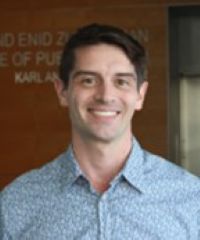 Nathan Lothrop, Ph.D. lothrop@arizona.edu Assistant Professor University of Arizona Zuckerman College of Public HealthNathan Lothrop, PhD, is an assistant research professor in the University of Arizona Zuckerman College of Public Health and associate director of the BRISA Center for the Environment, a technical assistance center. With nearly 15 years of collaborative environmental health and epidemiology research experience in academia and private consulting, he is committed to community-engaged solutions to environmental health issues. Nathan has expertise in air pollution epidemiology, GIS and spatial analysis, social determinants of health, heavy metals exposures, research results reporting, and science communication. Prior to this, he worked in photography and media, a skillset he applies to science communications. Nathan is passionate about improving public health through responsible, team-based environmental health research and service. He has been awarded the Tucson Hispanic Chamber of Commerce 40-under-40 Award (2024), International Society of Exposure Science JESEE Young Investigator Award (2019), and the College’s Community-Engaged Scholarship and Practice Award (2015).
 -
 Somdat Mahabir, Ph.D., M.P.H. Program Director Division of Cancer Control and Population Sciences, National Cancer InstituteDr. Somdat Mahabir is a Senior Scientist and Program Director in the Environmental Epidemiology Branch (EEB) of the Epidemiology and Genomics Research Program (EGRP), Division of Cancer Control and Population Sciences (DCCPS), National Cancer Institute (NCI), National Institute of Health (NIH). His responsibilities include the management of research that focuses on cancer epidemiology of modifiable risk factors such as environmental exposures. He has expertise in the development and management of scientific research initiatives, including NCI-funded large-scale research projects. He is leading the Cohorts for Environmental Exposures and Cancer Risk (CEECR) program, a collaboration between NCI and the National Institute of Environmental Health Sciences (NIEHS). He was a member of the team which developed the initial NIH Environmental Influences on Child Health Outcomes (ECHO) program and was part of a select group that developed the ECHO renewal.
Dr. Mahabir serves as Chair of the Trans-NIH Micro[nano]plastic (MNP) and Population Health Working Group and Co-chair for Cohort Coordination in EGRP. He served as Co-Chair for research on the 2019-2023 Trans-NIH Strategic Plan for Women’s Health Research.
Dr. Mahabir is the recipient of an NCI Cancer Prevention Research Training Merit Award, NCI Director's Award, CDC/Agency for Toxic Substances and Disease Registry (ATSDR) Honor Award, NIH Director’s Award, NIEHS Group Merit Award, and academic awards from New York Medical College and New York Institute of Technology. -
 Leah E. Mechanic, Ph.D., M.P.H. Program Director, Genomic Epidemiology Branch Epidemiology and Genomics Research Program, Division of Cancer Control and Population Sciences, National Cancer InstituteLeah Mechanic, PhD, MPH, is a program director in the Genomic Epidemiology Branch (GEB) of the Epidemiology and Genomics Research Program (EGRP) in NCI's Division of Cancer Control and Population Sciences (DCCPS). Her responsibilities include managing a portfolio of grants related to genetic factors modulating susceptibility to cancer.
Dr. Mechanic serves as the NCI lead for the Participant Engagement and Cancer Genome Sequencing (PE-CGS) Network. Dr. Mechanic is also part of the NIH program staff participating in the Polygenic Risk Methods in Diverse Populations (PRIMED) ConsortiumExternal Web Site Policyand the Multi-omics in Health and Disease Consortium.
Dr. Mechanic is also a scientific contact for funding opportunities: Genomic Community Resources (PAR-23-124) and Developing Novel Theory and Methods for Understanding the Genetic Architecture of Complex Human Traits (R01 and R21).
Additionally, Dr. Mechanic is involved in several activities designed to address challenges and facilitate development of methods for studying gene-gene and gene-environment interactions and applying next-generation sequencing to cancer epidemiology studies. For example, Dr. Mechanic helped coordinate a project to encourage innovation in breast cancer epidemiology through the prize competition, Up For A Challenge (U4C) and a series of papers about challenges and opportunities in studies of gene-environment interactions. Other activities include the 2019 Workshop to Facilitate Cancer Systems Epidemiology Research and the ongoing Sequencing Strategies for Population and Cancer Epidemiology Studies (SeqSPACE) Webinar Series. Since 2011, Dr. Mechanic has served as DCCPS' liaison to the Epidemiology of Endometrial Cancer Consortium (E2C2).
Before joining EGRP, Dr. Mechanic was a senior study director at Westat and, as team lead on the Westat Biospecimen Team for the National Children's Study, was responsible for developing procedures for collecting, processing, storing, and analyzing biospecimens. She also was involved in projects for NCI's Prostate, Lung, Colorectal, and Ovarian (PLCO) Cancer Screening Trial.
Dr. Mechanic first came to NCI in 2001 as a Cancer Prevention Fellowship Program fellow in the Laboratory of Human Carcinogenesis (LHC), Center for Cancer Research. At LHC, she was interested in the relationship between DNA repair and cancer susceptibility and studied the molecular epidemiology of lung cancer. -
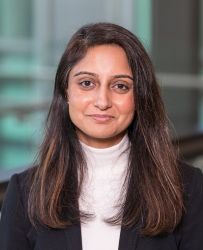 Behnoosh Momin, DrPH, MS, MPH Program Director NIH/NCIDr. Behnoosh Momin is a Program Director in the Environmental Epidemiology Branch of the Epidemiology and Genomics Research Program at NCI's Division of Cancer Control and Population Sciences. In her role, she supports epidemiologic research on modifiable risk factors and cancer to advance the prevention and control of cancer; identifies scientific gaps and develops novel research opportunities; leads and participates in cross-disciplinary collaborations across NIH, and in public, private, and academic sectors; and mentors cancer prevention fellows. Her research interests include modifiable risk factors and environmental exposures related to hepatocellular carcinoma. Her research has been published in numerous scientific journals and she has presented her research findings at several national conferences. With a career spanning federal agencies and her leadership contributions with national public health partnerships, Dr. Momin is recognized for her leadership, scientific contributions, and dedication to reducing cancer burden through evidence-based strategies. Her current efforts in advancing community engagement in environmental cohorts studies, environmental exposures and cancer, and translational epidemiology, aim to further translate scientific findings into effective public health interventions for the prevention and control of cancer.
 -
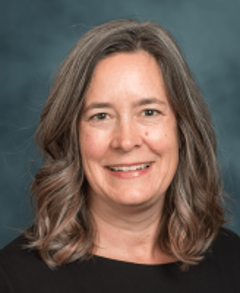 Celeste Leigh Pearce, PhD, MPH Professor of Epidemiology and Rogel Scholar, Co‑leader, Cancer Control and Population Sciences University of Michigan Rogel Cancer CenterLeigh Pearce, PhD has been focused on the prevention of ovarian, breast, endometrial and cervical cancers for more than 25 years. She is a Professor of Epidemiology at the University of Michigan School of Public Health and Rogel Cancer Center. She earned her PhD in epidemiology at the University of Southern California and her Master of Public Health (MPH) degree at the University of Michigan.
Through collaborative multidisciplinary efforts, Dr. Pearce has made major contributions to understanding lifetime risk of ovarian cancer among average risk women, hormonal and genetic exposures in ovarian cancer risk, and exceptional survival with ovarian cancer. Additionally, she is co-leading work to understand the acceptability and feasibility of risk-reducing salpingectomy in the U.S. and to expand opportunistic salpingectomy during general abdominal surgery in Michigan.
Dr. Pearce currently has several additional studies in the field designed to have an impact on identifying risk factors for cancer, detecting disease early, and improving survivorship. Recently, Dr. Pearce has launched studies focused on understanding environmental risk factors and risk of young-onset breast and endometrial cancer. Risk of these cancers has been increasing, and she has hypothesized that novel environmental factors may at least in part explain the rising rates. She is also a PI on the Michigan Cancer and Research on the Environment Study (MI-CARES) which is a longitudinal study of environmental exposures and cancer risk that will ultimately enroll 100,000 people.
Dr. Pearce is a champion of team science, passionate about mentoring the next generation of ovarian cancer researchers, and committed to including the perspectives of patients, survivors, caregivers, and community partners in her work. -
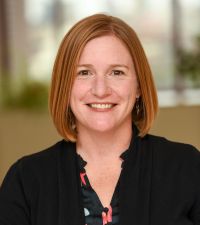 Jen Poynter, Ph.D., MPH Professor University of MinnesotaJenny N. Poynter, PhD, is Professor and Director in the Division of Epidemiology and Clinical Research in the Department of Pediatrics at the University of Minnesota. Dr. Poynter is a molecular epidemiologist who leads a research team focused on pediatric and adolescent germ cell tumors (GCT) and myeloid malignancy. The major goals of her research are to understand how genetic susceptibility, lifestyle and environmental factors influence risk of developing cancer. She is one of the leaders of the 10,000 Families Study, a newly funded cohort study to evaluate the association between environmental exposures and hematologic malignancy in Minnesota. Dr. Poynter is also the Co-Associate Director of Community Outreach and Engagement at the University of Minnesota Masonic Cancer Center. Her work is funded by the National Institutes of Health, Department of Defense, Alex’s Lemonade Stand Foundation and the Children’s Cancer Research Fund.
 -
 Diana Redwood, Ph.D., M.P.H. dredwood@anthc.org Senior Epidemiologist ANTHCDiana Redwood, PhD, is a Senior Epidemiologist at the Alaska Native Tribal Health Consortium. She has worked in the Alaska Tribal Health System since 2004. Her expertise is in public health and epidemiology, with a focus on cancer screening and prevention. She was the Program Director for a CDC-funded Colorectal Cancer Control Program (2009-2015, 2020-2025) working to increase colorectal cancer screening within the Alaska Tribal Health System. She also conducts research into novel methods of colorectal cancer screening outreach and new screening methods for the Alaska Native population. Her research has focused on use of the stool DNA test (Cologuard) for improving screening, including Cologuard effectiveness, patient and provider perspectives on the test, and its cost-effectiveness within the Alaska Tribal Health System. She currently leads an NIH-funded cancer epidemiology cohort study investigating the causes of the higher colorectal cancer rates among Alaska Native people. Dr. Redwood is the Alaska representative to the National Colorectal Cancer Roundtable and is an advocate for improving health by decreasing colorectal cancer among Alaska Native people.
 -
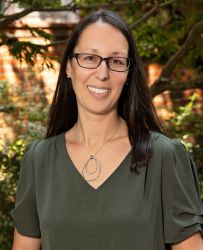 Diana Rohlman, Ph.D. diana.rohlman@oregonstate.edu Associate Professor (Sr. Research) Oregon State UniversityDr. Diana Rohlman is an Associate Professor (Sr. Research) in the Department of Environmental and Molecular Toxicology at Oregon State University (OSU). She earned her Ph.D. in Toxicology from OSU, along with a certificate in Free Choice Learning. Dr. Rohlman directs the Community Engagement Cores for both the Pacific Northwest Center for Translational Environmental Health Research and the Superfund Research Center, as well as the Environmental Impacts on Health section of the Center for Global Health at OSU. Her research lies at the nexus of environmental health and research translation, with a focus on enhancing public understanding of environmental health risks. As a public health toxicologist, she collaborates with interdisciplinary teams to address complex environmental challenges, including chemical exposures resulting from natural disasters and the health impacts of air pollution. Her work is grounded in community-engaged approaches and supplemented with robust project evaluation, ensuring that research is both responsive to and informed by the needs of impacted populations.
 -
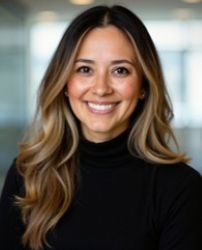 Janeth Sanchez, Ph.D. Director of Population Health Research Innovation All of Us Research Program National Institutes of HealthJaneth Sanchez, Ph.D. is Director of Population Health Research Innovation for the All of Us Research Program at the National Institutes of Health. A health services researcher by training, she brings over 15 years of experience designing and evaluating interventions that improve health outcomes and expand access to high-quality care across broad populations.
At All of Us, Dr. Sanchez shapes the practices and scientific initiatives that position the Program at the forefront of data-driven population health research. She leads efforts to develop, implement, and evaluate innovative research strategies that leverage the All of Us dataset to advance understanding of health outcomes, accelerate health innovation, and drive progress in precision medicine so that the science reflects the full breadth of community experiences.
Prior to joining All of Us, Dr. Sanchez served as Program Director in the Healthcare Delivery Research Program at the National Cancer Institute (NCI), where she led the Addressing Social Risks in Cancer Care initiative. Her NCI portfolio focused on advancing high-quality cancer care through multilevel interventions, with particular attention to populations bearing a disproportionate burden of disease. Rooted in deep community outreach and engagement experience, Dr. Sanchez is committed to a research enterprise in which every person has the opportunity to achieve their highest level of health and well-being.
She holds a doctorate in Health Services, with an emphasis in Evaluative Sciences and Statistics, from the University of Washington, and a Master of Public Health in Community Health Education from New Mexico State University. -
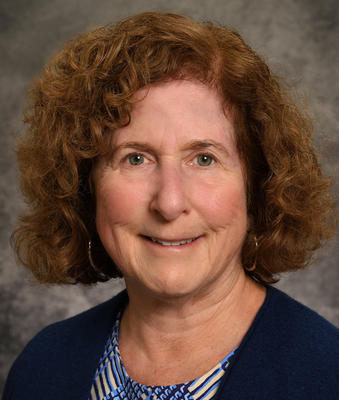 Joellen Schildkraut, PhD, MPH Professor, Department of Epidemiology Rollins School of Public Health, Emory UniversityJoellen M. Schildkraut, PhD, MPH, is a professor in the Department of Epidemiology at the Rollins School of Public Health. Dr. Schildkraut is a member of the Cancer Prevention and Control Research Program at Winship Cancer Institute of Emory University in Atlanta, Georgia.
Dr. Schildkraut received both her MPH and PhD from Yale University. Her doctoral dissertation and early publications focused on the genetic overlap between breast and ovarian cancer through examination of family history. This work indirectly contributed to the discovery of BRCA1 and BRCA2, the two highly penetrant genes associated with increased risk of breast and ovarian cancers.
Dr. Schildkraut has studied for much of her career the genetic epidemiology of ovarian, breast, and brain tumors, for which she has utilized innovative technologies and data science approaches to reconsider the biology and epidemiology of these diseases. -
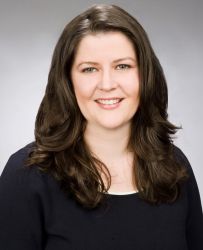 Martha Shrubsole, Ph.D. Ingram Professor of Cancer Research, Research Professor of Medicine Vanderbilt University Medical CenterMartha J. Shrubsole, PhD, Ingram Professor of Cancer Research, is Research Professor of Medicine at Vanderbilt University Medical Center and Co-Leader of the Cancer Epidemiology Research Program at the Vanderbilt Ingram Cancer Center. She leads a research portfolio of molecular and modifiable risk factor epidemiology in which she seeks to identify and evaluate modifiable factors, biomarkers, and molecular mechanisms for the prevention, early detection, and precision-based interception of cancer and its precursor lesions, particularly colorectal neoplasia. She is also a PI of the Southern Community Cohort Study and the Southern Environmental Health Study, two large NCI-funded cohort studies seeking to understand cancer risk in the US South. In addition, Dr. Shrubsole has had leading roles in multiple randomized trials and other large-scale epidemiologic studies based in the US and globally.
 -
 Zul Surani, M.S, EdD candidate Associate Director of Community Outreach and Engagement for Cedars-Sinai Cancer and the Cancer Research Center for Health Equity Cedars-Sinai CancerZul Surani is the Associate Director of Community Outreach and Engagement for Cedars-Sinai Cancer and the Cancer Research Center for Health Equity. He led the launch of the Community Outreach and Engagement program and now directs its efforts to facilitate community-based research and promote equitable access to clinical and prevention trials, screening and care for historically underrepresented populations.
Zul also works closely with the principal investigators of UCSF’s NCI-funded ASPIRE cohort study. He leads community engagement in this first ever Asian focused cohort study and works with various teams at Cedars Sinai such as outreach and research coordinators, media and government relations and community advisory board members to facilitate enrollment.
He brings more than two decades of experience in community partnerships and community-engaged research at Cedars-Sinai Cancer, as well as through his previous work at the USC Norris Comprehensive Cancer Center and UCLA’s Jonsson Comprehensive Cancer Center. Earlier in his career, Zul coordinated the Southern California regional partnership for the National Cancer Institute’s Cancer Information Service Partnership Program, which focused on reducing cancer prevention, screening, and care in underserved communities through capacity-building initiatives.
Zul also serves as the Cedars-Sinai director for the national Certificate in Community Outreach and Engagement (COE) training program for outreach coordinators at cancer centers. He is currently a doctoral candidate in Organizational Change and Leadership at the University of Southern California, where his research focuses on applying implementation science at the community level to address cancer prevention, screening, and care. He also holds graduate-level training in Public Health and Health Care Management. -
 Taylor Vogel, M.P.H. Program Coordinator Oregon State UniversityTaylor Vogel earned a Master of Public Health degree from Oregon State University in 2023. Her academic training emphasized the practice of community engagement with a focus on collaborative program evaluation. She currently serves as a Program Coordinator for the Pacific Northwest Center for Translational Environmental Health Research and the Superfund Research Center at Oregon State University. These Centers support the investigation of environmental exposures and the communication of results back to affected populations. In this role, she supports mixed-methods evaluation, research translation and community engagement efforts, working to bridge scientific inquiry with public understanding, strengthen community partnerships, and ensure meaningful action that advances environmental health outcomes.
 -
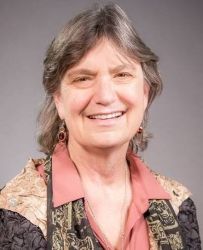 Nina Wallerstein, Dr.P.H. Distinguished Professor of Public Health, College of Population Health; Director, Center for Participatory Research University of New MexicoNina Wallerstein, Dr.P.H, Distinguished Professor of Public Health, College of Population Health; Director, Center for Participatory Research (http://cpr.unm.edu), University of New Mexico (UNM), has been developing community based participatory research (CBPR) and empowerment/Freirian interventions for close to 40 years. Among over 190 publications is her textbook: Community-Based Participatory Research (CBPR) for Health: Advancing Social and Health Equity, 3rd edition, 2018 (with a fourth edition in process, Wiley Publishers, 2027); and the Freirian Problem-Posing at Work: A Popular Educator’s Guide, Grassroots Press, Canada. In 2016, she received the inaugural UNM Community Engaged Research Lecture award. To strengthen the science and advocacy of CBPR and CEnR, she is mPrincipal Investigator of the PCORI, Engage for Equity (E2) PLUS Award to test institutional change interventions to enhance institutional trustworthiness and patient/community-led research. This builds on long-term NIH funded research since 2006, with national partners, which identified best partnering practices associated with health outcomes, validated partnering metrics, and developed a collective reflection/action toolkit (https://engageforequity.org). She is a member of the NAM committee for measures of community engaged science for health services and policy. She has worked with tribal partners for over 25 years to co-develop and test the effectiveness of the Family Listening Program, an evidence-based intergenerational culture-centered family prevention program with Southwest tribes. She has collaboratively produced with Latin American colleagues a train-the trainer “Participatory Research and Empowerment” curriculum (initially sponsored by Pan American Health Organization in 1999) with its third iteration, Pesquisa Participativa e Empoderamento (Wallerstein, Mendes, Santana and Parajon), first available in Portuguese (Hucitec Publishers, 2024), with publication coming in English (Wiley Publishers, 2027) and Spanish. She has coordinated the annual UNM summer Institute in CBPR for Health: Indigenous, Decolonizing and Critical Methodologies since 2009. (https://hsc.unm.edu/population-health/research-centers/center-participatory-research/co-learning--technical-assistance/).