Precision in Practice: A Functional Medicine Workshop (Speaker Bios)
Speaker Bios
Hillary Andrews, PhDhandrews@focr.orgSenior Director, Science Policy & StrategyFriends of Cancer ResearchView Bio▼
Hillary Andrews serves as the Senior Director, Science Policy & Strategy at Friends of Cancer Research (Friends). Friends is an advocacy organization based in Washington, DC that drives collaboration among partners from every healthcare sector to power advances in science, policy, and regulation that speed life-saving treatments to patients. Hillary supports the development and implementation of the Friends' research and policy agenda. She uses her scientific and advocacy background to develop evidence-based policies. Hillary collaborates with diverse teams to identify challenges in cancer research and create solutions that improve and accelerate cancer care for patients. She oversees the ctMoniTR and ai.RECIST Projects. Prior to joining Friends, Hillary worked as a consultant at Avalere Health where she supported clients in navigating the regulatory strategy and FDA policy environment to improve market access. Hillary also provided clinical and scientific expertise to develop data driven research projects using Medicare and commercial claims data. Hillary completed a postdoctoral fellowship in tumor biology at Georgetown University’s Lombardi Comprehensive Cancer Center. She received her PhD in endocrinology and animal biosciences from Rutgers University and her BS in behavioral neuroscience from Lehigh University.
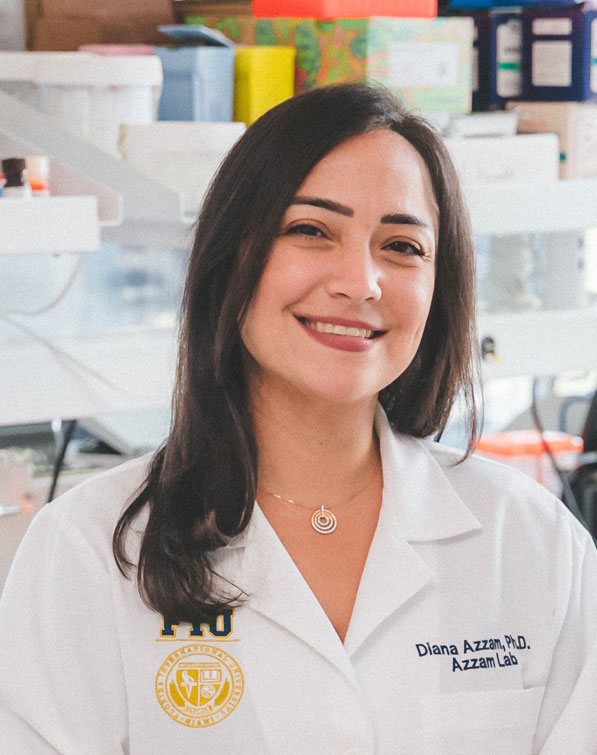
Diana J Azzam, Ph.D.dazzam@fiu.eduAssociate ProfessorFlorida International UniversityView Bio▼
Diana Azzam, PhD, is an Associate Professor at Florida International University’s Robert Stempel College of Public Health & Social Work and Scientific Director of FIU’s Center for Advancing Personalized Cancer Treatments. She is also Co-Founder of First Ascent Biomedical. Dr. Azzam earned her PhD in Biochemistry and Molecular Biology from the University of Miami, where her work focused on therapy-resistant cancer cells, and completed postdoctoral training in drug discovery, epigenetics, and high-throughput screening approaches to identify therapies targeting resistant cancer stem cell populations.
At FIU, Dr. Azzam leads a translational research program integrating ex vivo drug sensitivity testing, genomic profiling, and computational analytics to inform individualized treatment selection. Her work has advanced from feasibility studies into open pediatric and adult clinical trials evaluating functional precision medicine for patients with relapsed, refractory, and difficult-to-treat cancers, including the pediatric NIMHD-funded expansion cohort NCT05857969 and the adult functional precision medicine trial NCT06024603.
Dr. Azzam is senior author of a landmark Nature Medicine publication reporting the feasibility of functional precision medicine for guiding treatment in children with relapsed or refractory cancers. The study demonstrated clinically actionable turnaround times, generated treatment recommendations for most enrolled patients, and reported improved progression-free survival among patients treated with FPM-guided regimens. The article has had broad scientific and public reach, with tens of thousands of accesses and coverage in national science and healthcare media. The impact of this work extended beyond the scientific community, having appeared in more than 200 media outlets including ABC’s Good Morning America, generating major national visibility and helping bring functional precision medicine to the country’s attention as a promising path for patients with hard-to-treat cancers.
Through her roles at FIU and First Ascent Biomedical, Dr. Azzam is helping move FPM toward predictive diagnostic and prognostic platforms, clinical trials, and scalable implementation in oncology care.
Pamela S. Becker, M.D., Ph.D.pbecker@coh.orgProfessor and Director of Adult Commercial Gene TherapyCity of Hope National Medical CenterView Bio▼
Dr. Pamela Becker received her undergraduate AB degree in Biochemical Sciences from Harvard University, then attended the Harvard-Massachusetts Institute of Technology Health Sciences and Technology Program (M.D., Harvard Medical School), and Harvard Graduate School of Arts and Sciences (Ph.D. in Cell and Developmental Biology). She completed residency training in Internal Medicine (Harvard/Beth Israel Hospital) and a postdoctoral fellowship in the Hematology Section, Yale University School of Medicine. She subsequently held faculty positions at the University of Massachusetts, the University of Washington/Fred Hutchinson Cancer Center, and the University of California, Irvine, where she was a translational researcher and physician scientist in the fields of hematopoietic stem cell gene therapy, drug resistance in hematologic malignancies, and allogeneic hematopoietic cell transplantation. She began studies in the field of Functional Precision Medicine in 2009, with the initial development of an ex vivo drug screen for acute myeloid leukemia. In 2014, the Cancer Drug Sensitivity Test site at the Quellos High Throughput Drug Screening Core, University of Washington (UW), received CLIA approval from the state of Washington, for which she was Medical Director from that time to the present. In 2026, she became the Lab Director for the test site. Several clinical trials have been conducted utilizing the drug screen including acute leukemia, multiple myeloma, pediatric brain cancer, and any cancer including rare disorders, and the lab has conducted clinical assays for patients with all cancers. Dr. Becker became Professor at the City of Hope in 2022, where she has continued her multi-omic precision medicine studies in AML, including correlation of co-occurring mutations with drug sensitivity using machine learning methods, as well as new endeavors in MDS and an ongoing clinical protocol entitled Feasibility Study of Individualized Treatment Recommendations for Acute Myeloid Leukemia Based on High-Throughput Screening and Genomics (NCT07613385).
Noah E Berlow, Ph.D.nberlow@firstascentbio.comChief Technology OfficerFirst Ascent Biomedical IncView Bio▼
Noah Berlow, PhD, is Co-Founder and Chief Technology Officer of First Ascent Biomedical, a clinical-stage precision oncology company commercializing AI-enabled functional precision medicine for patients with rare, relapsed, refractory, and difficult-to-treat cancers. Dr. Berlow is an engineer-scientist whose work integrates machine learning, bioinformatics, multi-omic analytics, and patient-derived functional drug testing to build scalable platforms for individualized cancer treatment selection.
At First Ascent, Dr. Berlow leads the company’s AI/ML strategy, computational platform, bioinformatics infrastructure, and translational analytics linking ex vivo drug sensitivity testing with genomic and molecular profiling. His work supports the development of clinically actionable treatment hypotheses, predictive biomarkers, and diagnostic/prognostic tools designed for use by physicians, clinical investigators, and commercial partners. First Ascent’s platform has advanced from feasibility studies into pediatric and adult clinical translation, and Dr. Berlow serves as a Co-Investigator on the NIMHD-funded pediatric expansion study evaluating functional precision medicine for children and adolescents with relapsed or refractory cancers (NCT05857969).
Dr. Berlow has also led and supported collaborations with pharmaceutical partners using AI/ML-designed, multi-omic and multi-modal biomarkers to accelerate preclinical and clinical drug development. This work reflects First Ascent’s broader commercial strategy: using functional patient-derived data not only to guide individual treatment, but also to identify therapeutic biomarkers, rational combinations, and development paths for oncology therapeutics.
First Ascent’s commercialization progress has been supported by a $2 million Florida Cancer Innovation Fund grant, awarded to expand access to individualized cancer treatment approaches for underserved communities. Dr. Berlow was also a co-author of the landmark Nature Medicine publication demonstrating the feasibility of functional precision medicine in children and adolescents with relapsed or refractory cancers. Through his work at First Ascent, he is helping translate FPM from academic proof-of-principle into scalable AI-enabled platforms, clinical trials, pharma partnerships, and real-world oncology implementation.
Dr. Shruti Bhatt is an Assistant Professor at Emory University in the Department of Hematology and Medical Oncology, with a joint appointment at the Georgia Techn Biomedical Engineering department and Winship Cancer Center in Atlanta, GA. Dr. Bhatt has extensive expertise in studying the biology of leukemia relapse, cell death pathways—particularly apoptosis—and in personalizing targeted therapies, such as BH3 mimetics, by applying functional readouts. Dr. Bhatt completed her postdoctoral training in Dr. Anthony Letai's laboratory at Dana-Farber Cancer Institute, where she focused on personalizing leukemia therapy by leveraging the dynamic BH3 profiling. She earned her PhD in Pharmacology from the University of Miami under the mentorship of Dr. Izidore Lossos, during which she developed a novel anti-CD20 antibody-cytokine fusion protein to target lymphoid tumors. Dr. Bhatt's contributions to the field have been recognized with numerous prestigious awards, including American Society of Hematology Global Research Award, American Association of Cancer Research Nextgen Stars Award, and European Molecular Biology Organization Global Investigator Award. Her lab is currently funded with an NCI R37 Merit Award, an American Cancer Society Research Scholar Grant, an Evans MDS Discovery Research Grant, and a Leukemia Research Foundation new investigator grant.
Patrick Bhola, PhD, is a cancer biologist and functional precision medicine researcher in the Department of Medical Oncology at Dana-Farber Cancer Institute. Trained as an engineer before earning his PhD in Life Sciences from Rockefeller University, he leads work at the intersection of apoptotic cell death, high-throughput drug testing, single-cell imaging, and translational oncology, with the goal of identifying patient-specific therapeutic vulnerabilities directly from primary human tumors.
Dr. Bhola’s research in functional precision medicine uses engineering, biology, and computation to develop assays for precision cancer therapy. As Head of the Laboratory for Functional Precision Medicine at Dana-Farber, he developed scalable approaches for testing freshly obtained tumor cells with minimal ex vivo culture, showing that extended culture can substantially alter measured drug sensitivities. His team has also advanced single-cell methods that combine apoptotic priming measurements with multiplexed proteomic profiling, enabling identification of protein-level features of potentially resistant tumor subpopulations.
His recent research spans several solid tumors, including ovarian cancer, colon cancer, breast cancer, and sarcoma. He has authored and co-authored publications in several scientific journals and is an inventor on patents related to high-throughput and live-cell dynamic BH3 profiling.
Dr. Bhola’s current research program focuses on using drug-induced apoptotic priming, drug pharmacokinetics, and live single-cell imaging to identify effective drug combinations, optimize treatment timing, and support rapid ex vivo drug testing using small diagnostic samples, including core needle biopsies. He is the principal investigator of an NCI U01 grant studying how pre-analytical handling affects functional cancer biomarkers. Through close collaboration with clinicians, his long-term goal is to make functional precision medicine more predictive, scalable, and clinically actionable for patients with cancer.
Jesse S Boehm, Ph.D.boehm@mit.eduSVP, CSO - Break Through Cancer; Principal Investigator - MITMITView Bio▼
Dr. Boehm leads a research group at MIT’s Koch Institute focused on bringing the power of functional genomics to bear on living samples from cancer patients with particular emphasis on rare and underrepresented tumors. The team partners with patients across the country, enabling them to donate living tissue for research, creates organoid and cell models and leverages these living tissues to make precision functional genomics possible for individual cancer patients. A recent technological focus is on developing “living biosensor” technology for label-free morphological profiling of tumor and immune populations to enable rapid ex vivo evaluation of anti-cancer drug sensitivity in ascites fluid from solid tumors, beginning with gastroesophageal cancers.
Dr. Boehm is also the Senior Vice President and Chief Science Officer of Break Through Cancer, a novel foundation dedicated to urgently reimagining how we cure cancer by harnessing the power of extraordinary partnerships. Break Through Cancer unites leading cancer institutions jointly focused on overcoming barriers impossible for any single organization to solve leveraging the pillars of “radical collaboration.”
Before transitioning to MIT, Dr. Boehm previously spent 15 years in the Broad Institute’s Cancer Program, most recently as an Institute Scientist and Scientific Director of the Cancer Dependency Map project. As the Director of the Broad’s Cancer Model Development Center (part of the National Cancer Institute’s Human Cancer Models Initiative), he led his laboratory in developing a scalable capacity to convert patient tumors into organoids and other cell models.
Jesse received his BS in biology from MIT and his PhD from Harvard University, Division of Medical Sciences at Dana-Farber Cancer Institute.
Dr. Edward Kai-Hua Chow is Chief Scientific Officer and Co-Founder of KYAN Technologies and a Fellow of the Royal Society of Chemistry. He was previously an Associate Professor in the Department of Pharmacology and Associate Director in the Cancer Science Institute of Singapore at National University of Singapore (NUS). He was also the Research Director for the Institute of Digital Medicine (WisDM). He received his B.A. in Molecular and Cellular Biology from the UC Berkeley and his Ph.D. at UCLA. Prior to joining NUS, Dr. Chow was an American Cancer Society Postdoctoral Fellow under the guidance of Prof. J. Michael Bishop (1989 Nobel Prize in Physiology or Medicine) at UCSF. His research has focused on understanding how to treat specific oncology patients or cancer subtypes as well as the oncogenic drivers that determine subtype-specific therapy. In particular, he is interested in applying engineering-based analytics towards personalised and precision drug combination design having demonstrated that drug combination design for specific disease indications as well as specific patient groups can be quickly achieved in a cost, time and sample efficient manner. He has published over 90 peer-reviewed papers with more than 11,000 citations. More importantly, his research has been commercially implemented in the clinic to provide better treatment solutions for cancer patients through KYAN’s SG MOH-licensed, CAP/CLIA clinical laboratory since 2023.
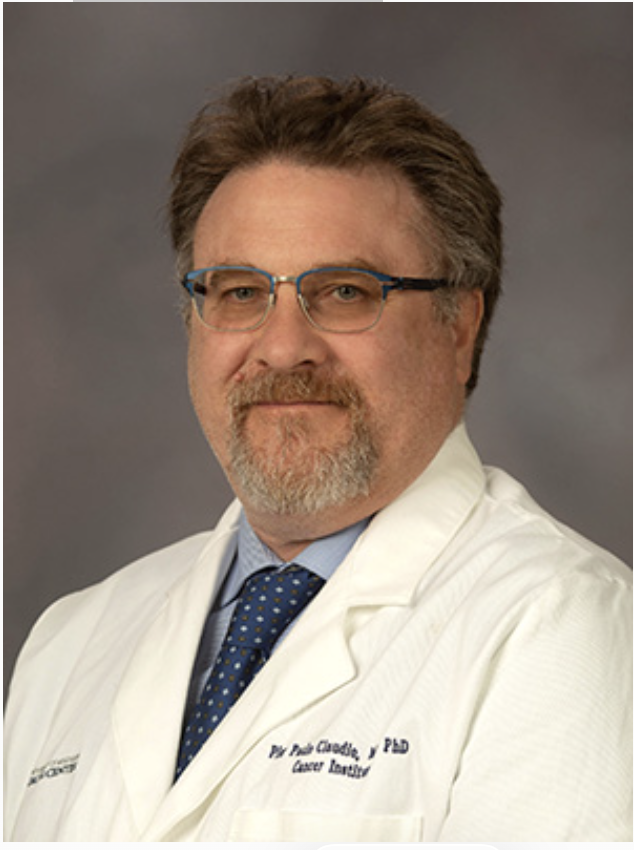
Pier Paolo Claudio, M.D., Ph.D.Professor of Pharmacology, Radiation Oncology, and Maxillofacial Surgery and Vice Chair of the Department of Pharmacology and ToxicologyUniversity of Mississippi Medical CenterView Bio▼
Pier Paolo Claudio, M.D., Ph.D., is Professor of Pharmacology, Radiation Oncology, and Maxillofacial Surgery and Vice Chair of the Department of Pharmacology and Toxicology at the University of Mississippi Medical Center (UMMC). He is a physician-scientist with more than 30 years of experience in translational cancer research, precision oncology, and biotechnology innovation.
Dr. Claudio earned his M.D. and Ph.D. from the University of Naples Federico II in Italy. Following postdoctoral training in oncology and therapeutics at Temple University and Thomas Jefferson University, he held faculty positions at Thomas Jefferson University, Temple University, and Marshall University before joining UMMC as a Full Professor. He directs translational cancer research programs focused on accelerating the clinical implementation of cancer therapies. In 2023, he completed the Drugs and Medical Device Development program at the Massachusetts Institute of Technology (MIT), strengthening his expertise in translating biomedical discoveries into clinical applications.
His research focuses on functional precision medicine approaches that directly measure therapeutic response in patient-derived tumor cells. In collaboration with NASA’s Johnson Space Center, Dr. Claudio developed technologies for the expansion and enrichment of stem cells and therapy-resistant tumor cell populations, leading to multiple international patents and novel translational applications.
Dr. Claudio is the co-inventor of ChemoID®, a CLIA-certified functional precision oncology platform that evaluates patient-specific drug sensitivity using live tumor cells to guide treatment selection. ChemoID has been investigated in randomized clinical trials for recurrent glioblastoma and recurrent platinum-resistant ovarian cancer and has received FDA Breakthrough Device Designation for recurrent unmethylated MGMT glioblastoma.
Throughout his career, Dr. Claudio has secured more than $25 million in research funding, authored nearly 200 peer-reviewed publications, contributed to numerous books and book chapters, and obtained six international patents. His work is dedicated to bridging laboratory discoveries and patient care through innovative precision medicine strategies that improve cancer outcomes.
Matthew De Silva, B.S.matt@de-silva.meCEORosewood Oncology Inc. View Bio▼
After his father was diagnosed with a glioblastoma multiforme brain tumor in 2013 Matt left his hedge fund portfolio manager position with Peter Thiel and founded a precision oncology company called Notable Labs. After Notable Matt helped start Pathos AI as Chief Operating Officer, serving the company until April 2026. He is currently an angel investor and venture partner at Builders VC, where he invests across healthcare and biotech. He is passionate about the potential for functional precision medicine to transform care for oncology patients.
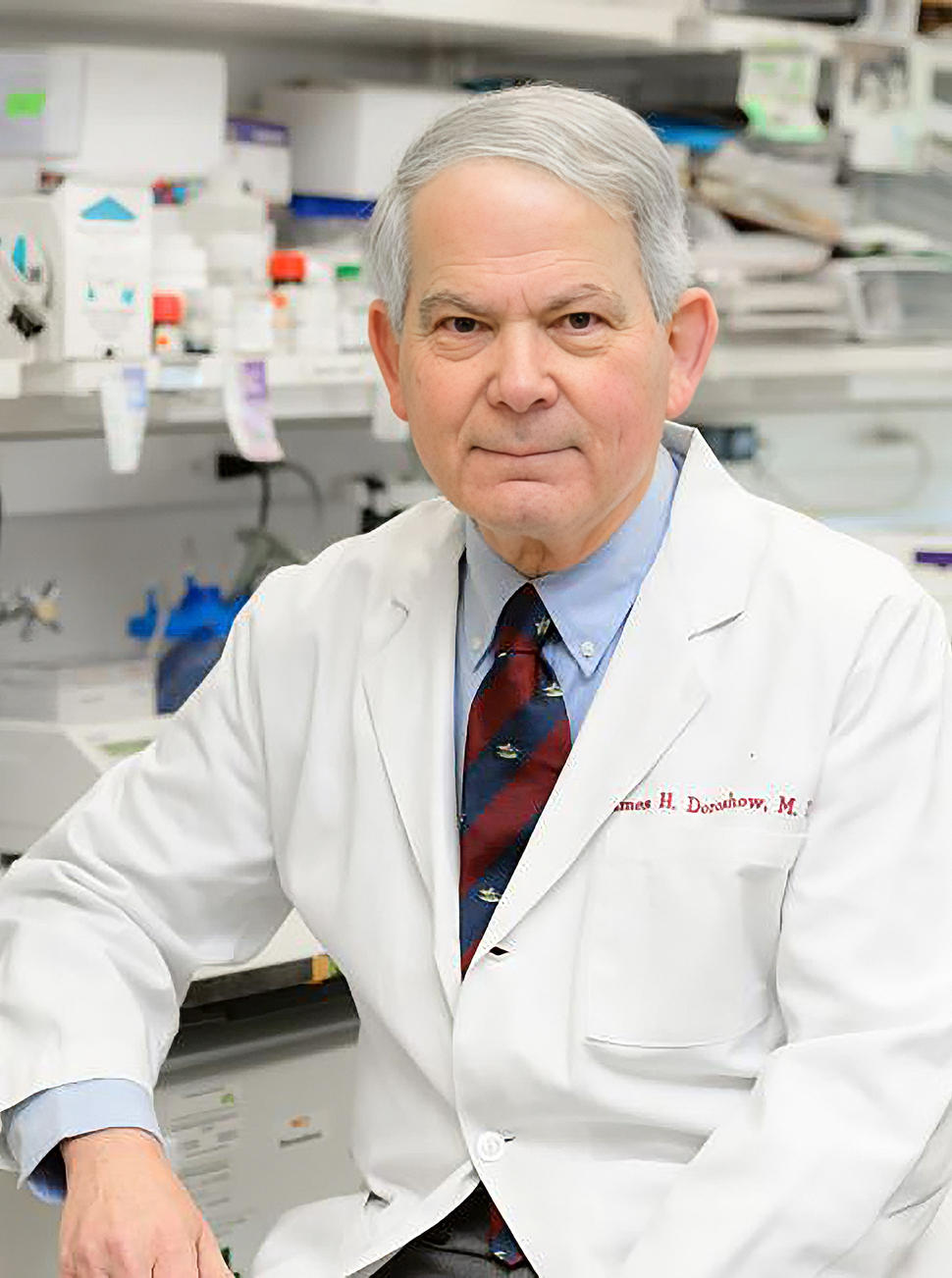
James H. Doroshow, M.D.Director, Division of Cancer Treatment and DiagnosisNational Cancer InstituteView Bio▼
Dr. James H. Doroshow has been the Director of the National Cancer Institute’s Division of Cancer Treatment and Diagnosis since 2004. He continues to pursue his own research program as a Senior Investigator in the Developmental Therapeutics Branch of the NCI’s intramural Center for Cancer Research. He is the author of over 500 full-length publications in the areas of cancer molecular pharmacology, the role of oxidant stress in tumor cell signal transduction, and novel therapeutic approaches to solid tumors. From 1983 to 2004, Dr. Doroshow was the Chairman of the City of Hope Comprehensive Cancer Center’s Department of Medical Oncology and Therapeutics Research, and Associate Cancer Center Director for Clinical Investigation. He has served on the Oncologic Drugs Advisory Committee of the U.S. Food and Drug Administration, the Medical Oncology Board of the American Board of Internal Medicine, and as Chair of two NIH study sections: Experimental Therapeutics II and Subcommittee A, Cancer Centers. Dr. Doroshow received his A.B. degree magna cum laude from Harvard College in 1969 and graduated from Harvard Medical School alpha omega alpha in 1973. Following an Internal Medicine residency at the Massachusetts General Hospital, he completed a fellowship in Medical Oncology at the Medicine and Clinical Pharmacology Branches of the National Cancer Institute, NIH.
Dr. Dannielle D. Engle is an Assistant Professor in the Regulatory Biology Laboratory at the Salk Institute for Biological Studies and an Adjunct Assistant Professor in Biological Sciences at the University of California, San Diego. Her laboratory focuses on understanding how inflammation, epithelial dysfunction, aberrant glycosylation, and the tumor microenvironment shape pancreatic disease progression, therapeutic response, and opportunities for precision intervention.
Dr. Engle received her Ph.D. in Biology from UC San Diego, where she trained with Dr. Geoffrey Wahl at the Salk Institute, and completed postdoctoral training with Dr. David Tuveson at Cancer Research UK Cambridge and Cold Spring Harbor Laboratory. During her postdoctoral work, she contributed to the development and application of pancreatic organoid models, including their use for functional drug testing and precision medicine studies in pancreatic cancer.
The Engle laboratory develops and applies patient-derived organoids, genetically engineered mouse models, tissue slice cultures, and multi-omic profiling approaches to model the continuum from pancreatitis to pancreatic ductal adenocarcinoma. Her work has identified the glycan biomarker CA19-9 as an active driver of pancreatitis and pancreatic cancer biology, rather than simply a clinical marker, and has advanced new approaches to study disease-associated epithelial states, stromal remodeling, and therapeutic vulnerabilities. More recently, her group has expanded patient-derived organoid platforms to chronic pancreatitis, using molecular and functional assays to define disease subtypes and identify opportunities for therapeutic interception.
Dr. Engle’s research program is supported by the National Cancer Institute, the American Cancer Society, the Lustgarten Foundation, PanCAN, Curebound, and other organizations. She has received multiple honors, including an NCI Career Transition Award, the AACR/Lustgarten Foundation Career Development Award in honor of Justice Ruth Bader Ginsburg, and the Prebys Foundation Excellence in Scientific Research Leadership Award.
Dr. Jacqueline S. Garcia is an Associate Professor of Medicine at Harvard Medical School. She is a clinical/translational investigator in the Division of Leukemia at the Dana-Farber Cancer Institute and an attending physician at the Brigham & Women’s Hospital. She graduated from University of Illinois at Chicago College of Medicine and completed her internship and residency training in Internal Medicine at the University of Chicago. She next completed Hematology and Oncology Fellowship training at Stanford University. She joined the Adult Leukemia Program faculty at Dana-Farber in 2015. Dr. Garcia’s research focus is on the design and execution of early phase clinical and proof-of-concept studies in advanced myeloid malignancies with correlative science, including myelodysplastic syndromes, myelofibrosis and acute myeloid leukemia. Much of her research centers on identifying novel therapeutic opportunities to leverage the anti-apoptotic pathway in chemoresistant leukemia, developing investigator-initiated trials (IIT), and translating biomarkers. She has served as the overall Principal Investigator for several clinical trials, including IIT, ETCTN/CTEP, and pharmaceutical studies. Her research has received support from the National Institutes of Health/National Cancer Institute, Break Through Cancer, Blood Cancer United (formerly Leukemia and Lymphoma Society), and Conquer Cancer Foundation.
Levi Garraway, M.D., Ph.D.Chief Medical Officer and Head of Global Product DevelopmentRoche and GenentechView Bio▼
Levi Garraway, M.D., Ph.D., is Executive Vice President, Global Head of Product Development, and Chief Medical Officer at Roche and Genentech. Since joining in 2019, he has led all aspects of late-stage clinical development at Roche, and in 2023 he became a member of the enlarged Roche Corporate Executive Committee. He is also an adjunct professor at Stanford University School of Medicine. Dr. Garraway serves on the Board of Directors for Genentech, Foundation Medicine, and Flatiron and is a trustee for Dana-Farber Cancer Institute. He is also on the Visiting Committee for Harvard Medical School and sits on scientific advisory boards for MD Anderson, Memorial Sloan Kettering, and The Damon-Runyon Cancer Research Foundation. Dr. Garraway spent over a decade on the faculty at Harvard Medical School, Dana-Farber, and the Broad Institute. He has received numerous awards for his research, including the Paul Marks Prize for Cancer Research and the Margaret Foti AACR Margaret Foti Award for Leadership and Extraordinary Achievements in Cancer Research. He received his Bachelor of Arts, Doctor of Medicine and Philosophy degrees from Harvard Medical School. He completed post-doctoral training in internal medicine at the Massachusetts General Hospital and fellowship training in medical oncology at the Dana-Farber Cancer Institute.
Carla Grandori, M.D., Ph.D.President and Scientific DirectorCure FirstView Bio▼
Carla Grandori, MD, PhD, is a physician-scientist and pioneer in functional precision oncology. The Founder and former CEO/CSO of SEngine Precision Medicine, acquired by Tempus in 2023, she currently serves as President and Scientific Director of Cure First, the nonprofit organization she founded to advance patient access to functional precision medicine and continue clinical implementation of the PARIS® test.
Dr. Grandori received her MD cum laude from Sapienza University of Rome and her PhD from Rockefeller University, where she trained under Dr. Hidesaburo Hanafusa, whose pioneering work established that oncogenes arise from normal cellular genes. Her doctoral research helped demonstrate that a single mutation can convert a normal cellular gene into an oncogene. Following postdoctoral training at MIT and the Fred Hutchinson Cancer Center, she established her laboratory focused on MYC biology, synthetic lethality, and functional genomics.
As a Presidential Entrepreneurial Faculty Fellow at the University of Washington, Dr. Grandori founded and directed the university’s first high-throughput screening facility, developing robotics-based platforms to identify therapeutic vulnerabilities in cancer. The assay design, automation, and analytical principles developed through this work later formed the foundation of the PARIS® test.
Over the past decade, she has led the development and clinical implementation of the PARIS® platform, a CLIA-certified functional drug-sensitivity assay that tests living patient-derived cancer cells against dozens of therapies. The platform has been applied to more than 1,200 patients representing over 40 tumor types.
Dr. Grandori’s research has resulted in numerous publications, patents, and presentations at major scientific meetings. Through extensive clinical application of functional drug-sensitivity testing, she has observed that most chemoresistant cancers retain specific sensitivities to targeted therapies, with a subset of patients experiencing significant and durable clinical responses. Her work supports a new paradigm in precision oncology that complements genomics through direct functional measurement of drug response.
Taran Gujral, Ph.D.tgujral@fredhutch.orgProfessorFred Hutchinson Cancer CenterView Bio▼
Dr. Taran Gujral is a Professor in the Human Biology Division at Fred Hutchinson Cancer Center and the founding director of the Transformative Rare Cancer (TRACER) Program with a focus on rare and hard-to-treat cancers. His research centers on the signaling networks that govern tumor cell state decisions and how interactions between tumor and host cells can be exploited therapeutically. To investigate these questions, his lab integrates advanced computation, pharmacology, and cell biology to map tissue-specific signaling, identify molecular targets, and discover new uses for existing medicines.
His group has developed platforms spanning systematic drug activity profiling, including large-scale kinase inhibitor characterization (KIRHub) and functional drug testing using patient-derived microtumors integrated with multi-omic data. These efforts serve two complementary goals by identifying novel therapeutic targets in rare and understudied cancers while providing individualized treatment recommendations for patients who lack standard-of-care options. These capabilities are integrated into SmartMatch, a CLIA-certified, AI-driven functional precision oncology platform currently being evaluated in a clinical study at the NCI (NCT07374692).
Dr. Gujral is a recipient of the Kimmel Scholar Award, NSF CAREER Award, Ivy Foundation Emerging Leader Award, and an FDA Oncology Center of Excellence ULTRA grant to develop novel approaches that support therapeutic development for ultra-rare cancers. He completed postdoctoral training in Chemistry & Chemical Biology and Systems Biology at Harvard University and Harvard Medical School, and received his Ph.D. in Pathology and Molecular Medicine and B.Sc. in Life Sciences and Mathematics from Queen's University, Canada.
Sarah J. Hill, M.D., Ph.D.Sarah_Hill@DFCI.HARVARD.EDUAssistant ProfessorDana-Farber Cancer InstituteView Bio▼
Dr. Sarah Hill, M.D./Ph.D., is a physician scientist in the Department of Medical Oncology and Division of Molecular and Cellular Oncology at Dana-Farber Cancer Institute focused on understanding the role of BRCA1 and RB in breast, ovarian, and endometrial tumor suppression, tumor biology, and therapeutic sensitivity and resistance. She completed her A.B. at Harvard College, her Ph.D. at Harvard University in the laboratory of Dr. David Livingston at Dana-Farber Cancer Institute, and her M.D. at Harvard Medical School in the Harvard-MIT HST program. She is also a Rhodes Scholar and completed an M.Sc. in biochemistry at Oxford University. Upon graduation from the Harvard M.D./Ph.D. program, she completed a brief residency. She joined the faculty at Dana-Farber as an independent investigator immediately upon completion of her residency without any post-doctoral training and won an NIH Early Independence Award with the support of her Ph.D. mentor Dr. Livingston.
Candace M Howard, M.D., Ph.D.cmhoward@umc.eduProfessor of Radiology and PediatricsUniversity of Mississippi Medical CenterView Bio▼
Dr. Candace M. Howard is a tenured Professor of Radiology and Pediatrics at the University of Mississippi Medical Center, where she serves as Division Chief of Cardiothoracic and Body Imaging and as Vice Chair of Research. She founded and directs UMMC's Biomedical Imaging & Engineering graduate track, one of only two programs nationally that combine a radiology residency with doctoral training.
Dr. Howard earned her MD and PhD in molecular genetics from Thomas Jefferson University, where her thesis on tumor suppressor genes was published in the Journal of the National Cancer Institute. Her dual training uniquely positions her work at the intersection of biomarker development, radiomics, artificial intelligence, and image-guided therapeutics. She serves on NSF/NIH Hybrid Review Panels for AI grants and is the senior author and PI of the first successful multi-institutional randomized interventional trial in functional precision medicine for recurrent glioblastoma (NCT03632135).
She has authored more than 100 peer-reviewed publications and has supported more than $34 million in funded research. A Fellow of the American College of Radiology, she was selected for the 2024–2025 SCARD–GE Healthcare LEAD Program and the 2025 AAR Radiology Management Program, in 2023 was named UMMC's Trailblazer of the Year for Excellence in Medical Education, and in 2025 received the Dr. LouAnn Woodward Vice Chancellor's Award from GWIMS (Group on Women in Medicine and Science) for academic leadership and the advancement of women in academic medicine.
Jeffrey Infante, M.D.jinfant2@its.jnj.comGlobal Head of Early Oncology R&DJohnson and JohnsonView Bio▼
Dr. Infante is the SVP of Early Oncology R&D and oversees Early Clinical Development, Translational Research, and External innovation for the oncology therapeutic area. Since joining J&J in 2017, he has led a team that design and conduct early phase cancer trials from first-in-human through proof-of-relevance across both. This team delivers on a robust portfolio with 20-30 assets either in the clinic or being prepared for the clinic and includes bringing on average 5-6 new first-in-human studies per year.
He also leads the scientific strategy guiding the translational research team that supports all cancer therapeutics moving toward first patient dosing through late-stage clinical development. Additionally, he leads an elite group of scientists focused on the search and evaluation of the external innovation environment to identify the next generation of anti-cancer therapies. He is a core member of the Oncology Review Board and the First-In-Human Committee and leads with a mission-driven and Credo-guided culture, relentlessly focused on bringing J&J Innovative Medicine closer to its goal of the elimination of cancer.
Prior to joining J&J, he spent over a decade at the Sarah Cannon Research Institute as a clinical investigator and board-certified medical oncologist and partner at Tennessee Oncology. During his tenure, he served many roles, including Director, Drug Development Program where he provided physician leadership to the Drug Development Units in Nashville, Florida, Oklahoma, Denver, and London.
He received his undergraduate and medical degrees from the University of Florida in 1994 and 1999, and finished his internal medicine residency at Parkland Memorial Hospital. He completed his fellowship in medical oncology at Johns Hopkins University School of Medicine in 2006. Concurrent with his fellowship, he undertook formal training in patient-oriented research and received a Master of Health Science degree in epidemiology at Johns Hopkins University’s Bloomberg School of Public Health.
Mika Kontro, M.D., Ph.D.mika.kontro@helsinki.fiChief physician, Head of Clinical Trials UnitHelsinki University Hospital, Comprehensive Cancer CenterView Bio▼
Mika Kontro, MD, PhD, is Associate Professor of Hematology at the University of Helsinki and Head of the Clinical Trials Unit in Hematology at Helsinki University Hospital Comprehensive Cancer Center, Finland. He also leads a translational research group at the Institute for Molecular Medicine Finland (FIMM), focusing on functional precision medicine in hematologic malignancies.
His research integrates ex vivo drug sensitivity testing, genomic and transcriptomic profiling, and single-cell technologies to identify patient-specific therapeutic vulnerabilities and mechanisms of drug resistance in acute myeloid leukemia (AML) and myelodysplastic syndromes (MDS). His group has been at the forefront of developing clinically applicable functional assays that complement molecular diagnostics and support individualized treatment decisions.
Dr. Kontro has extensive experience in investigator-initiated and industry-sponsored clinical trials, with a particular focus on novel targeted therapies and functional biomarker development. He currently chairs the Finnish AML Group and is actively involved in Nordic and international collaborative efforts aimed at implementing functional precision medicine approaches in clinical hematology. His long-term goal is to establish functional drug testing as an integral component of precision oncology, enabling more effective treatment selection, accelerating drug development, and improving outcomes for patients with myeloid malignancies.
Anthony Letai, M.D., Ph.D.DirectorNational Cancer InstituteView Bio▼
Dr.Letai joined NCI as the 18th director on September 29, 2025. He served as professor of medicine at Harvard Medical School and medical oncologist at the Dana-Farber Cancer Institute.
Dr. Letai received his Bachelor of Arts in physics from Princeton University. After receiving his M.D. and Ph.D. from the University of Chicago with Elaine Fuchs, Dr. Letai completed his residency in internal medicine at Brigham and Women’s Hospital, and a fellowship in hematology and oncology at the Dana-Farber Cancer Institute. His interest in cancer cell death evolved during his post-doctoral research training at Dana-Farber Cancer Institute in the laboratory of Dr. Stanley Korsmeyer. His career and pioneering work in functional precision oncology helped advance therapies such as BCL-2 inhibitors—drugs that are now standard treatment for many adults with leukemia. In addition, his team developed a technique, called BH3 profiling, that helps predict how cancer cells will respond to chemotherapies. BH3 profiling is now being tested to discover how it can be used in clinical practice to find the right drugs for the right patients.
An advocate for research that can quickly bring new, effective treatments to patients, Dr. Letai served as co-founder and President of the Society for Functional Precision Medicine, which works to improve patient care and outcomes by supporting the use of functional assays in clinical care. Additionally, he is the recipient of the Sidney Kimmel Foundation Scholar Award, the Leukemia and Lymphoma Society Scholar Award, the European Cell Death Organization Career Award, the Smith Family Prize for Outstanding Scientific Contributions, the University of Chicago Biomedical Sciences Distinguished Alumni Award, and the NCI Outstanding Investigator Award. He serves as an elected member of the American Society of Clinical Investigation and Association of American Physicians, and is a Fellow if the American Association of Cancer Research Academy.
Keith L. Ligon, M.D., Ph.D.keith_ligon@dfci.harvard.eduDirector, Center for Patient Derived Models and Chief of NeuropathologyDana-Farber Cancer InstituteView Bio▼
Dr. Keith Ligon MD, PhD, is the Chief of Neuropathology at the Brigham and Women’s Hospital/Dana-Farber Cancer Institute and Director of the DFCI Center for Patient Derived Models. He is an Associate Professor of Pathology at Harvard Medical School with appointments also at Boston Children’s Hospital and the Broad Institute. He has made contributions to the fields of clinical diagnostics, precision medicine, clinical trials, and diagnostic innovation. His laboratory efforts have focused on identification of the genetic drivers of glioma formation and treatment resistance using Next-Generation patient derived models of brain cancer. He is a principal investigator of numerous NIH grants and served as Co-Director for the Broad Institute-DFCI Cancer Model Development Center within the NCI Human Cancer Models Initiative. He also has leadership roles and participation in pathology and biomarker research within industry and NCI sponsored clinical trial consortia (Alliance, PNOC, COG, ABTC). He is a founding Board Member of the Society for Functional Precision Medicine. Dr. Ligon also is a co-founder of the clinical functional precision medicine company, Travera Inc. Dr. Ligon received his B.A. in biochemistry from Rice University and his Ph.D. from University of Texas McGovern Medical School/MD Anderson Cancer Center. His clinical training in Pathology and Neuropathology was at the Harvard Medical School/Brigham and Women’s Hospital.
Sungwon Lim is a bioengineer entrepreneur with 25 years of collective experience in academia, pharmaceutical companies, and biotech industries. He cofounded ImpriMed in 2017 with a strong motivation to innovate a way to help cancer patients who need an effective treatment today, by optimizing and personalizing drug treatment options currently available in our medical toolbox. ImpriMed builds comparative oncology platforms for precision medicine. The team first developed and validated new cell-based, functional precision medicine technologies and AI-driven predictive models in the veterinary oncology space at a significantly higher speed with readily accessible clinical data. With proven success in over 15,000 cases in dogs and cats with blood cancers, the company has been expanding into human blood-related diseases. Additionally, the live-cell-based drug efficacy assessment platform, xCellSense, offers pharmaceutical companies an invaluable tool to pretest drug compounds on their target patients' live cells, enhancing clinical trial success rates and streamlining market entry. The team raised $45 million from a number of prestigious venture capital firms.
Dr. Lim received his Ph.D. in Bioengineering from Stanford University, M.S. in Translational Medicine at U.C. Berkeley and U.C. San Francisco, and B.S. in Chemical and Biomolecular Engineering at Korea Advanced Institute of Science and Technology. He has received accolades such as the Life Science Voice's Top Industry Leaders Award and the 40 Under 40 in Cancer Award.
Lee N. Newcomer, M.D. PrincipalLee N. Newcomer ConsultingView Bio▼
Lee N. Newcomer, M.D. advocates for elevating healthcare for all using his deep experience in health care economics and cancer therapy.
He was the first UnitedHealth Group Chief Medical Officer from 1991 to 2001. He returned to the company in 2006 to lead an initiative combining clinical, financial and program management experts to focus on cancer care. This team successfully launched an episode payment program for cancer treatment yielding significant cost reductions while simultaneously improving quality.
Prior to his work at UnitedHealth Group Dr. Newcomer practiced medical oncology for nine years in Minneapolis and Tulsa, Oklahoma. He is a former Chairman of Park Nicollet Health Services (HealthPartners). He is a director at Myriad Genetics, Coherus Oncology, and Cellworks. He also serves as an advisor to Mirvie, a company seeking to reduce premature births using molecular diagnostics. He was director at C-Change, an organization founded by former President, George H.W. Bush to foster collaboration in the cancer therapy community.
Dr. Newcomer earned his M.D. degree from the University of Nebraska College of Medicine. His clinical training included an internal medicine residency at the University of Nebraska Medical Center and a medical oncology fellowship at the Yale University School of Medicine. He completed a Master of Health Administration from the University of Wisconsin at Madison in 1990.
Ralph E. Parchment, Ph.D.parchmentr@mail.nih.govDirector, FNL Clinical Pharmacodynamics ProgramFrederick National Laboratory for Cancer Research @NCI-FrederickView Bio▼
Dr. Parchment directs the Clinical Pharmacodynamics Program of the Fredrick National Laboratory for Cancer Research at the NCI-Frederick. This Program provides Phase 0, 1 and 2 clinical trials that are sponsored by the NCI Division of Cancer Treatment & Diagnosis (DCTD) with fit-for-purpose, clinical-grade, analytically validated laboratory assays of molecular/biochemical drug response markers (pharmacodynamic biomarkers) to confirm intended mechanism of action in patients. He has directed and co-authored laboratory studies assessing drug mechanism of action in solid tumor biopsies and circulating tumor cells from clinical trial patients and also investigated root causes of biopsy failure and their correction/prevention. His 35+ years of translational research have bridged clinical and preclinical measurements with laboratory studies and in vitro-in vivo correlations, in both pharmacodynamics and toxicodynamics. He has served as a co-investigator and lead pharmacologist on multiple early-phase clinical trials conducted by the NCI Developmental Therapeutics Clinic and prior to that, in the UO1-funded early clinical trial program at Wayne State University/Karmanos Cancer Institute. Since joining the Frederick National Laboratory (FNL) in 2005, he has created and launched several FNL subcontracts-based national networks supporting NCI drug discovery and development, including the Chemical Biology Consortium for drug discovery; a national clinical pharmacodynamic biomarkers network that transferred SOP-based clinical research assays from the FNL to external institutions while maintaining robust assay consistency and reliability; and the National Clinical Laboratory Network (NCLN) for pharmacodynamic assay support of early phase clinical trials conducted by the Experimental Therapeutics Clinical Trials Network (ETCTN). Dr. Parchment earned a Ph.D. in Pharmacology & Experimental Therapeutics from the Johns Hopkins School of Medicine, followed by a three-year laboratory-based fellowship in experimental tumor pathology at the University of Colorado Department of Pathology.
Christian R.A. Regenbrecht, Dr.VP in Translational Oncology Novel in vitro Phenomics (NivP) GSKGSKView Bio▼
Introducing
Dr. Christian Regenbrecht | VP in Translational Oncology
Novel in vitro Phenomics (NivP) GSK
Dr. Regenbrecht is a molecular biologist and translational cancer researcher with more than two decades of experience in experimental oncology. His work focuses on patient-derived tumor organoids, functional 3D models, and their application in personalized cancer medicine.
He has held academic positions at leading medical universities in Germany and has served in senior leadership roles in biotechnology, including as Chief Executive Officer of multiple oncology-focused companies. He is currently Vice President at GSK, where he works at the interface of innovative biology, translational research, and therapeutic development.
He successfully completed the HMX Clinical Drug Development program.
Dr. Regenbrecht has authored more than 45 peer-reviewed publications, holds patents in the field of biomarker-guided cancer therapy, and has coordinated and contributed to several national and European research consortia.
Dr. Reid is a serial entrepreneur and a startup CEO. He founded three public companies (VRTY:NASDAQ, ELOQ:NASDAQ, GNOM:NASDAQ) including Complete Genomics, the world's second largest DNA sequencing company (behind Illumina). After Complete Genomics he founded Travera, a functional precision oncology testing company. Dr. Reid is an expert at launching and growing organizations that bring new technologies into commercial practice.
He is now the CEO of Cancer Commons, his first nonprofit company. Cancer Commons helps late-stage cancers patients find new treatments. Under his leadership, Cancer Commons has launched a functional precision oncology clinical study that will evaluate the predictive accuracies of the available functional tests in selecting off-guideline cancer drugs for cancer patients who are out of options. He is planning to launch a virtual cancer center, the National Center for Personalized Oncology, that will provide all advanced cancer patients with access to the hundreds of FDA-approved cancer drugs they currently cannot access under the NCCN Guidelines.
Dr. Reid is a member of the Massachusetts Institute of Technology Corporation Development Committee. He is a scientific advisor to NGD, a bacterial genomics company, and is the Executive Chairman of Adeste Therapeutics, a startup drug development company. He earned a BS in Physics from MIT, an MBA from the Harvard Business School, and a PhD in Management Science and Engineering from Stanford University.
Ana I. Robles, Ph.D.Chief, Diagnostics Evaluation BranchNational Cancer InstituteView Bio▼
Ana I. Robles, Ph.D., is Branch Chief of the Diagnostics Evaluation Branch in the Cancer Diagnosis Program at the National Cancer Institute (NCI) Division of Cancer Treatment and Diagnosis (DCTD). In this role, she leads efforts to advance the discovery, validation, and clinical implementation of biomarkers that improve cancer diagnosis, prognosis, treatment selection, and patient outcomes. The Branch portfolio includes cooperative agreements that support investigator-initiated research focused on analytical and clinical validation of molecular diagnostics to be used in NCI-supported trials of cancer treatment, control, or prevention.
Dr. Robles first joined DCTD as Program Director in the Office of Cancer Clinical Proteomics Research, where she oversaw major national and international proteogenomics initiatives and contributed to landmark proteogenomics studies as part of the Clinical Proteomic Tumor Analysis Consortium. Previously, Dr. Robles was an Associate Scientist at the NCI Center for Cancer Research, conducting research in molecular epidemiology and the discovery and functional characterization of lung cancer biomarkers using genomic, epigenetic, transcriptomic, microbiome, and proteomic data.
Dr. Robles received a chemistry degree from the University of Buenos Aires, Argentina, completed doctoral studies in Cancer Biology at the University of Texas Graduate School of Biomedical Sciences, followed by postdoctoral training at the NCI’s Laboratory of Human Carcinogenesis. Dr. Robles is recipient of the NCI Director's Innovation Award for work leveraging DNA methylation for diagnosis and prognosis of lung cancer and the NCI Director's Award for Oversight of Programmatic Vision.
Kate Sasser, PhDChief Scientific OfficerTempusView Bio▼
Dr. Kate Sasser, PhD, is a science and technology leader with over 25 years’ experience in life sciences across academia, biopharma companies, and healthcare technology. She is currently the Chief Scientific Officer (CSO) of Tempus AI, a healthcare technology company focused on leveraging multimodal data and AI for precision medicine. In this position, she leads science and R&D teams across all business units. Prior to Tempus, Kate led translational research, precision medicine, and R&D teams at companies like Genmab and Johnson & Johnson Innovative Medicine (JJIM), helping build transformational R&D organizations that have delivered cutting-edge products. Between those companies, she’s led teams that have helped launch new medicines into the world, including 9 different drug approvals and blockbusters like Darzalex®, Imbruvica®, Epkinly®. Passionate about solving healthcare's most complex challenges, Dr. Sasser is dedicated to leveraging data, AI, and advanced science to make precision medicine a global reality.
Alice Soragni, Ph.D.alice.soragni@cuanschutz.eduProfessor of Biomedical Informatics and Neurosurgery, CU Anschutz School of Medicine; Marsico Chair in Excellence in Functional Precision Medicine; Director, Functional Personalized Medicine Initiative, Colorado Center for Personalized MedicineUniversity of Colorado AnschutzView Bio▼
Alice Soragni, PhD, is Professor of Biomedical Informatics and Neurosurgery at the University of Colorado Anschutz School of Medicine, where she is the inaugural Marsico Chair in Excellence in Functional Precision Medicine and directs the Functional Personalized Medicine Initiative within the Colorado Center for Personalized Medicine. She received her MSc cum Laude from the University of Bologna and her PhD from ETH Zürich before establishing her independent laboratory at UCLA, where her group developed scalable patient-derived tumor organoid (PDO) platforms for functional drug-response testing. Her group’s mini-ring screening approach enables reproducible, standardized drug-response characterization from minimal tissue using unpassaged, short-term PDOs, with results available within a week from surgery.
Dr. Soragni’s program spans platform development through clinical translation. At CU Anschutz, she leads a research laboratory developing next-generation PDOs, imaging, and molecular profiling platforms for rare cancers, while her clinical laboratory program is advancing the mini-ring platform toward CLIA-certified, CAP-accredited implementation to support clinical decision-making for hard-to-treat cancers. She leads PREMOST (NCT06064682), a trial evaluating whether PDO-based functional testing can return predictive therapy-response data within a clinically relevant timeframe for patients with osteosarcoma.
Dr. Soragni also serves as Co-President of the Society for Functional Precision Medicine (SfPM), where she is focused on building a professional community across academia, medicine, and industry to accelerate the responsible translation of FPM technologies into clinical care and drug development.
Philipp B Staber, M.D., Ph.D.philipp.staber@uks.euFull Professor, Department ChairSaarland University Medical SchoolView Bio▼
Philipp B. Staber, MD, PhD, is Professor and Chair of Hematology and Oncology and Director of the Department of Internal Medicine I (Oncology, Hematology, Clinical Immunology, and Rheumatology) at Saarland University Medical School (UKS), Germany, a position he assumed in 2025. He also serves as Associate Professor at the Medical University of Vienna and University Hospital Vienna (AKH), where he previously directed the Lymphoma Program and the Precision Medicine Program.
Dr. Staber studied medicine at the University of Graz and conducted doctoral research at Harvard Medical School. He is a hematologist, oncologist, and translational researcher whose work focuses on functional precision medicine and the development of individualized treatment strategies for patients with cancer.
Over the past decade, Dr. Staber has been a pioneer in the clinical translation of functional precision oncology. He developed one of the first prospective functional precision medicine programs and led the EXALT-1 and EXALT-2 studies, which evaluated the integration of ex vivo drug response profiling into treatment decision-making for patients with advanced malignancies. His research combines functional drug testing with molecular profiling and clinical data to identify personalized therapeutic options.
At Saarland University and the José Carreras Center for Immuno- and Gene Therapy, he leads multidisciplinary efforts to advance functional diagnostics and precision oncology. His team has established a large biobank of viable patient-derived cancer samples and developed functional testing platforms that support translational research and clinical implementation.
In addition to his academic activities, Dr. Staber has contributed to the translation of precision oncology technologies through collaborations with biotechnology companies, including co-founding of exalt®, a precision oncology company developing functional diagnostics to guide personalized cancer treatment. His work aims to bridge laboratory innovation and clinical care to improve outcomes for patients with hematologic and solid tumors.
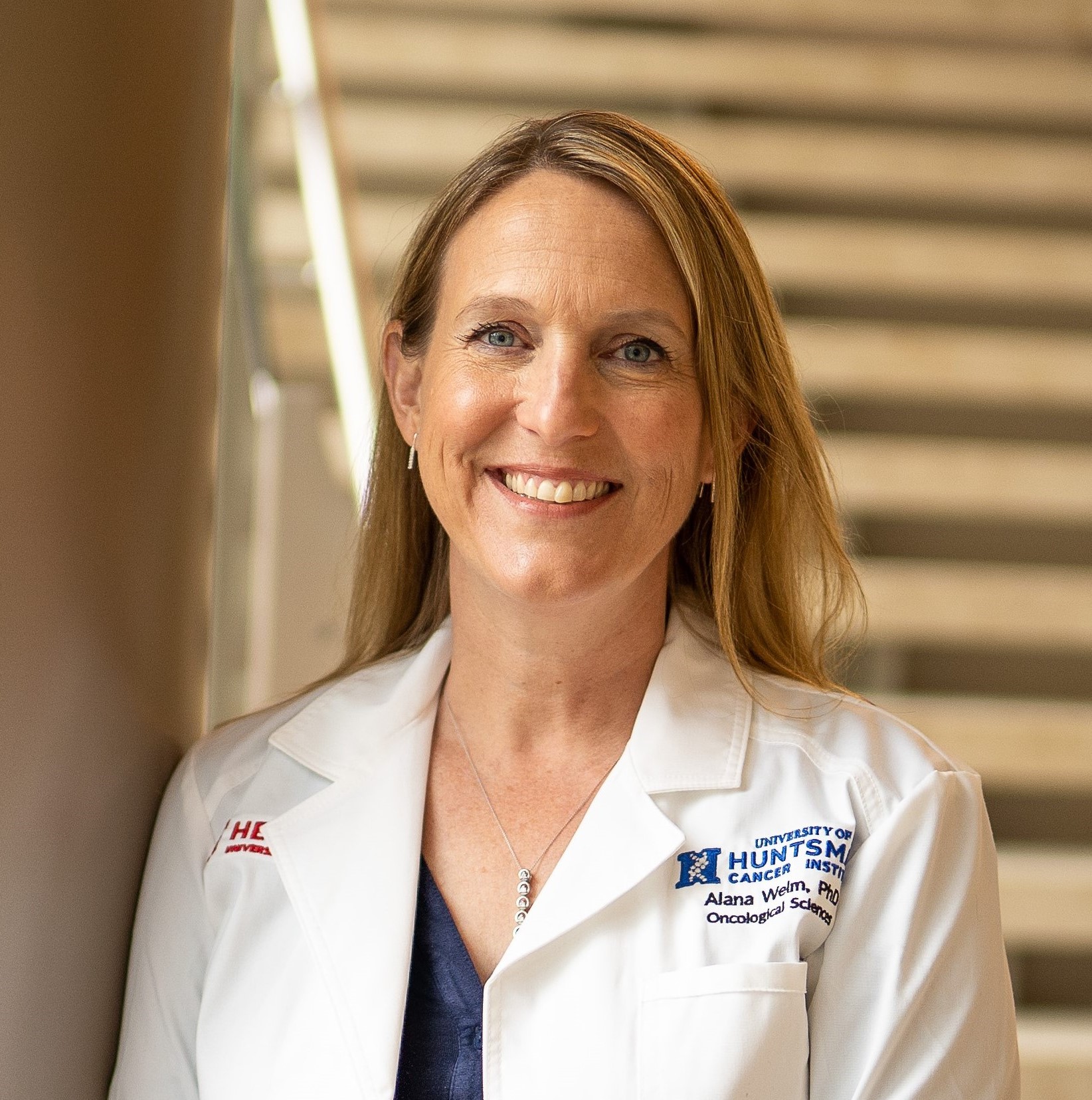
Alana Welm, Ph.D.Chair and Professor, Senior Director of Basic ScienceUniversity of Utah, Huntsman Cancer Institute View Bio▼
Dr. Welm received her undergraduate degree in Microbiology from the University of Montana, completed a PhD in Cell and Molecular Biology at Baylor College of Medicine under the supervision of Gretchen Darlington, and went on to conduct postdoctoral training in J. Michael Bishop’s laboratory at the University of California, San Francisco where her work focused on developing new models of breast cancer metastasis. Dr. Welm started her laboratory at the University of Utah’s Huntsman Cancer Institute in 2007 and was promoted to Associate Professor with tenure in 2013 and to full Professor in 2019. She now holds the Ralph E. and Willia T. Main Presidential Endowed Chair in Cancer Research, is Chair and Professor in the Department of Oncological Sciences and is Senior Director of Basic Science at Huntsman Cancer Institute. She is the PI on multiple grants from the National Cancer Institute and DOD, and has received DOD Era of Hope Scholar and Susan G. Komen Scholar awards.
Jun J Yang, Ph.D.jun.yang@stjude.orgMember, Vice Chair, and Endowed Chair in Pharmacogenomics in the Department of Pharmacy and Pharmaceutical SciencesSt. Jude Children's Research HospitalView Bio▼
Jun J. Yang, Ph.D., is an internationally recognized leader in pediatric cancer pharmacogenomics, serving as Member, Vice Chair, and Endowed Chair in Pharmacogenomics in the Department of Pharmacy and Pharmaceutical Sciences at St. Jude Children's Research Hospital. He leads a multidisciplinary research program focused on the genetic basis of drug response and treatment toxicity in childhood acute lymphoblastic leukemia (ALL), with the goal of implementing genetics-guided, individualized therapy to improve patient survival worldwide.
Dr. Yang earned his B.S. and M.S. in Biotechnology and Human Genetics from Shanghai Jiaotong University and his Ph.D. in Chemistry from Purdue University, before joining St. Jude as a postdoctoral researcher in 2006 and being appointed to the faculty in 2010.
His laboratory has made seminal contributions to pharmacogenomics, particularly through the discovery of genetic determinants of thiopurine intolerance. His team's work elucidating the role of NUDT15 in thiopurine metabolism transformed clinical practice worldwide, leading to genotype-guided dosing recommendations and regulatory drug labeling updates that have significantly reduced treatment-related toxicity in children with leukemia.
Beyond pharmacogenomics, Dr. Yang has pioneered the integration of genomics and functional drug sensitivity testing — known as pharmacotyping — to identify therapeutic vulnerabilities in pediatric ALL, accelerating the development of individualized treatment strategies while minimizing adverse effects. His research has appeared in Nature Genetics, JAMA, Lancet Oncology, and Cancer Cell.
His global impact spans multinational collaborations across Singapore, Japan, Germany, Guatemala, and Malaysia. He was elected President of the Pharmacogenomics Research Network in 2021 and has received numerous honors, including the 2023 AACR Waun Ki Hong Award for Outstanding Achievement in Translational and Clinical Cancer Research and the 2023 St. Jude Mentor of the Year Award.
Dr. Yang remains a leading voice in precision oncology, dedicated to translating genomic discoveries into safer, more effective therapies for children with cancer.